G for Good Impact Calculator
See exactly how your travel contributes to local communities and sustainability projects. Enter your trip cost to discover what your contribution supports.
Your Impact
Your contribution supports local communities and sustainability projects
Your trip supports $0 in local businesses
When you see the G in G Adventures, you might think it stands for "go" or "get out there." But if you’ve ever dug deeper into their website or talked to a trip leader, you’ve probably heard them say: "G stands for Good." It’s not just a catchy slogan. It’s the entire reason this company exists. And if you’re considering an adventure trip with them, understanding what "G for Good" really means could change how you choose your next vacation.
It’s Not Marketing Fluff - It’s Built Into Every Trip
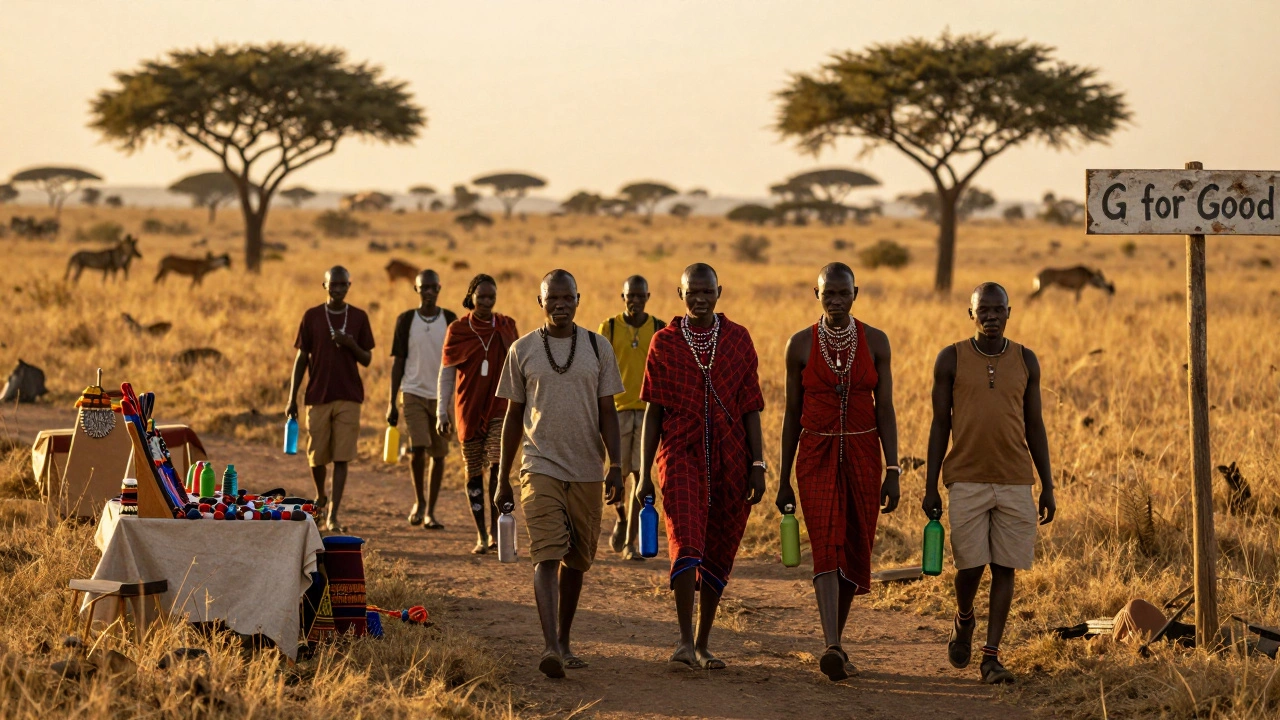
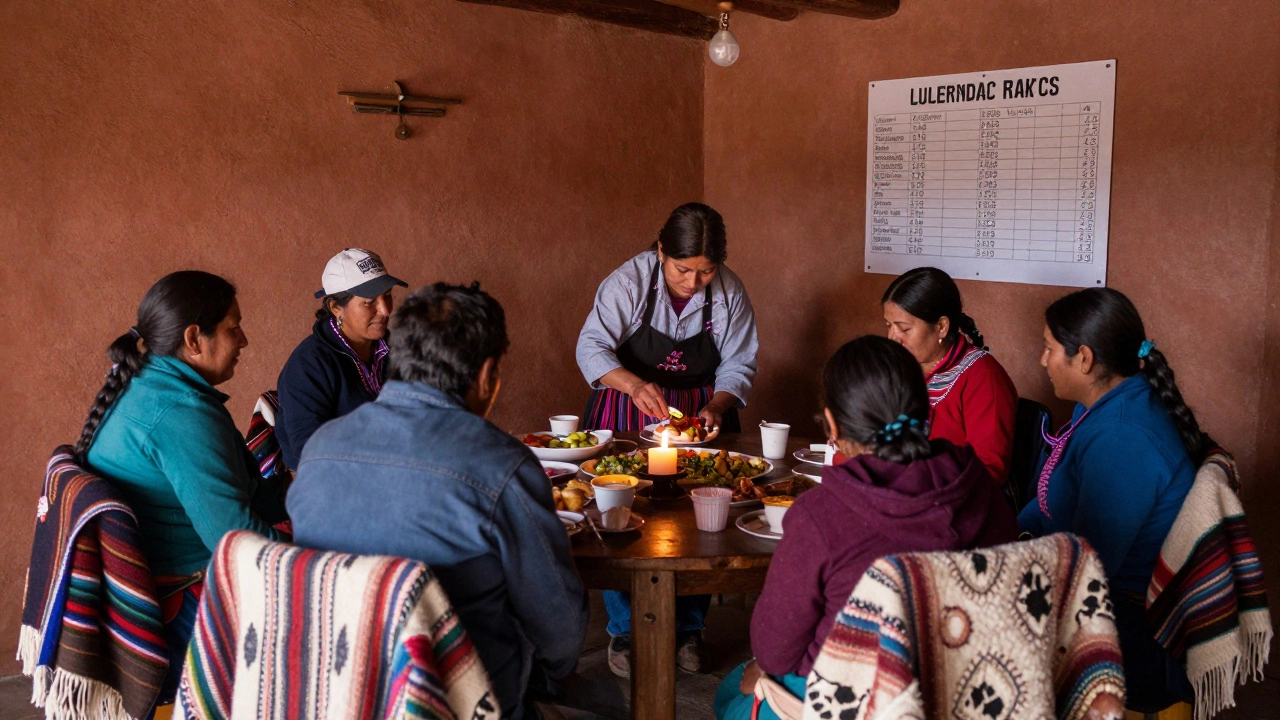
G Adventures doesn’t just donate a few dollars to a cause and call it a day. Their "G for Good" program is woven into the fabric of every itinerary, every partnership, and every local guide they hire. Since 2003, they’ve committed to running trips that benefit the communities they visit, not just pass through them. That means your $2,000 safari isn’t just about seeing lions - it’s about paying a local Maasai family to lead your walk, not a foreign-owned tour company. It’s about eating dinner at a women-run cooperative in Peru, not a hotel chain’s buffet.Each trip includes a mandatory contribution. For example, on a 10-day trek in Nepal, $15 of your trip cost goes directly to a community fund that pays for school supplies, clean water systems, or trail maintenance. On a wildlife tour in Kenya, part of the fee supports anti-poaching patrols. These aren’t optional add-ons. They’re non-negotiable. And you don’t need to sign up for anything extra - it’s already included in your price.
Who Really Benefits?
One of the biggest complaints about tourism is that money leaks out of the local economy. A hotel owned by a foreign investor, imported food, imported gear - all of it drains cash from the community. G Adventures flips that model. Over 85% of their local expenses stay in the destination country. That includes:- Local guides - every group has a local leader who speaks the language, knows the history, and often owns a small business back home.
- Accommodations - they use small guesthouses, family-run lodges, and community-owned ecolodges, not big resorts.
- Meals - 90% of meals are sourced from local markets or prepared by local cooks.
- Transportation - they use local buses, boats, and trains, not private shuttles flown in from abroad.
They’ve tracked this for years. In 2024, they reported that their travelers directly supported over 2,000 local businesses across 100+ countries. That’s not charity. That’s economic empowerment.
What Does "Good" Actually Look Like?
"Good" isn’t vague. It’s specific. Here’s what it means in practice:- No animal exploitation. No elephant rides, no tiger petting, no dolphin shows. G Adventures bans any activity that harms wildlife. Their trips focus on observation, not interaction.
- Plastic-free zones. On every trip, they provide reusable water bottles and filters. They’ve eliminated over 10 million single-use plastic bottles since 2018.
- Gender equality. They train and hire women as guides, drivers, and lodge managers - especially in regions where that’s rare. In 2025, 42% of their local staff were women.
- Carbon offsetting. They calculate the emissions for every trip and invest in verified reforestation projects. You don’t have to opt in - it’s automatic.
- Community input. Before launching a new route, they meet with local leaders. If a community says no to a certain activity, they scrap it. No exceptions.
They’ve even published their full impact report online - not just a glossy brochure, but real numbers: tons of plastic saved, jobs created, carbon reduced. You can see exactly where your money went.
How It’s Different From Other Tour Companies
Many adventure companies say they’re "eco-friendly" or "responsible." But G Adventures is one of the few that’s been audited by an independent nonprofit - the Global Sustainable Tourism Council. They’re certified. That means an outside team showed up, checked their books, interviewed guides, and verified that their claims are real. Most companies never go through this.Compare that to a typical tour operator who says they "support conservation." They might plant a few trees once a year. G Adventures has a $2 million annual fund dedicated to community projects - funded entirely by trip revenue, not donations. They don’t ask you to give extra. They’ve built sustainability into the price.
What You Get as a Traveler
You might wonder: "If they’re spending money on communities, does that mean my trip costs more?" Actually, no. Their prices are competitive with other adventure operators. But here’s the difference: when you travel with them, you’re not just seeing a place - you’re leaving it better than you found it.Travelers report deeper experiences. You’re not just taking photos at a market - you’re chatting with the vendor who used your meal payment to send her daughter to college. You’re not just hiking a trail - you’re walking one that was rebuilt by locals you met over dinner.
It’s not about feeling guilty. It’s about feeling connected.
Real Impact, Real Stories
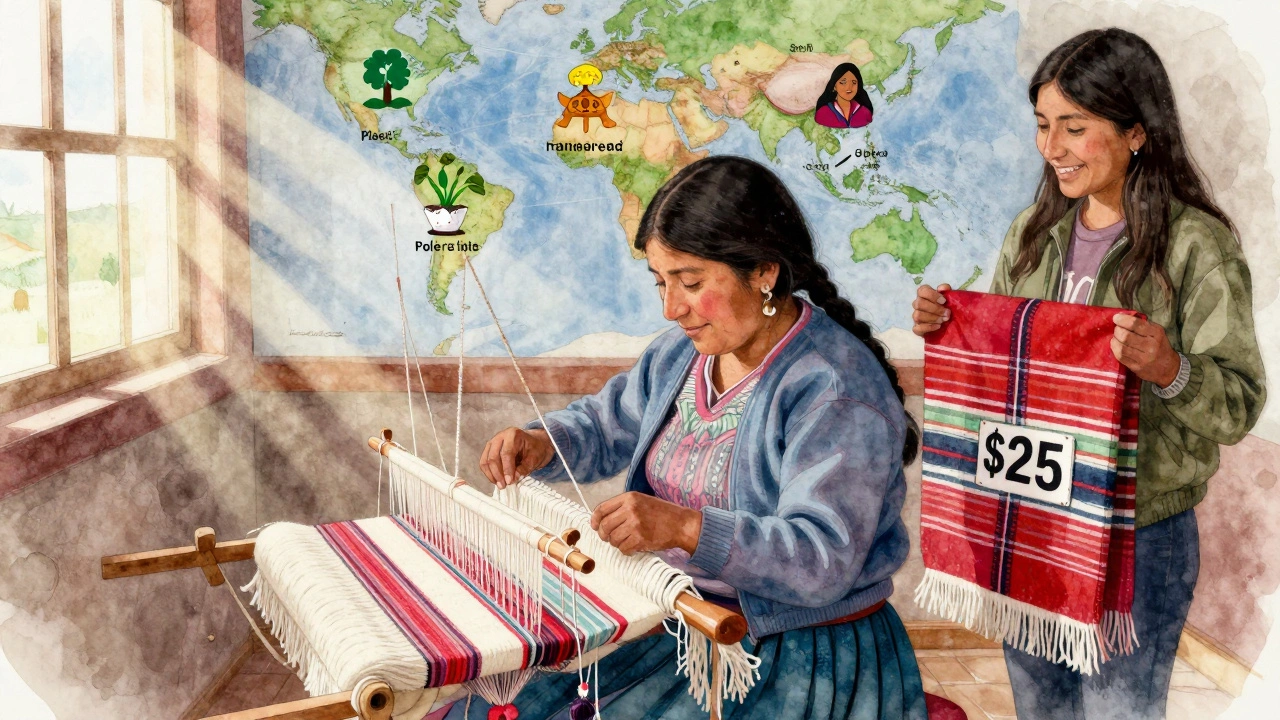
In Bolivia, G Adventures helped fund a women’s cooperative that makes handmade alpaca wool blankets. Before, the women sold their goods for $2 each to middlemen. Now, through G Adventures’ network, they sell directly to travelers - at $25 each. In five years, their average income tripled. One of the women, Maria, now runs a small weaving school for teenage girls.In Cambodia, they helped restore a centuries-old temple trail that had been overgrown and unsafe. The project hired local youth as trail guides. Now, those same guides earn enough to stay in their villages instead of migrating to cities for work.
These aren’t isolated cases. They’re the rule.
Is It Perfect?
No. No company is. G Adventures still flies people to remote locations - which has a carbon footprint. They still use buses, even if they’re local ones. They can’t control every hotel they partner with. But here’s the key: they’re transparent about their flaws. They admit they’re not perfect. And they’re always trying to improve. That’s more than most can say.They’ve also been asked: "Why not just donate money?" Their answer: "Donations don’t create jobs. They don’t build confidence. They don’t teach skills. We don’t want to hand out fish. We want to teach people how to fish - and then make sure they have the tools to do it."
What You Can Do
If you’re planning your next adventure, you don’t have to choose between a thrilling experience and doing good. With G Adventures, you get both. Here’s how to make sure you’re getting the full "G for Good" experience:- Ask your trip leader how the local contribution is used - they’ll have specific examples.
- Bring a reusable water bottle and say no to plastic.
- Tip your local guide directly - it goes further than you think.
- Buy souvenirs from local artisans, not mass-produced imports.
- Leave reviews that mention the community impact - that helps them keep doing this work.
You’re not just booking a trip. You’re becoming part of a system that’s changing how travel works.
Is "G for Good" just a marketing tactic?
No. "G for Good" isn’t a campaign - it’s a business model. Every trip includes a mandatory community contribution, and G Adventures publishes detailed annual reports showing exactly where the money goes. They’re certified by the Global Sustainable Tourism Council, which audits their claims. Their employees, guides, and partners are held to strict standards. You can trace your impact from your booking receipt to a school in Nepal or a women’s cooperative in Peru.
Does "G for Good" make trips more expensive?
Not at all. G Adventures’ prices are on par with other adventure tour operators. The difference is that their cost includes ethical practices - like hiring local guides, using community lodges, and offsetting carbon - instead of treating them as optional extras. You’re not paying more for ethics; you’re paying for a better experience that actually supports the places you visit.
How do I know my money is really helping?
G Adventures shares real-time impact data on their website. You can see how many plastic bottles they’ve saved, how many local businesses they’ve supported, and how many women they’ve trained as guides. Each trip has a designated community fund, and you’ll receive a summary after your journey showing exactly what your contribution achieved - like "Your $15 helped buy 50 notebooks for a school in the Andes."
Are all G Adventures trips eco-friendly?
Yes. Every trip follows the same ethical guidelines: no animal exploitation, plastic-free policies, carbon offsetting, and local hiring. Whether you’re hiking in Patagonia, cycling in Vietnam, or sailing in the Galápagos, the same standards apply. They don’t have "eco" trips and "regular" trips - all their trips are built on the "G for Good" model.
Can I choose which community project my money goes to?
Not directly. Your contribution goes into a regional fund managed by local partners who know the biggest needs. This avoids fragmentation - instead of spreading money thin across dozens of small projects, they focus resources where they’ll have the most impact. But you’ll always know where your funds went. After your trip, you’ll get a report showing the project your contribution supported.