G Adventures Travel Style Finder
Not sure which tour style fits your personality? Answer these three questions to find your ideal match!
Your Perfect Match:
The Vibe
Accommodations
Quick Takeaways
- Small Group Size: Most trips are capped at 16 people to keep things intimate and flexible.
- Local Impact: They use a "Community Tourism" model to ensure money stays in the local economy.
- Sustainable Focus: They are a certified B Corp, meaning they meet high standards of social and environmental performance.
- Diverse Travel Styles: Options range from budget-friendly youth trips to luxury-leaning adult adventures.
The Core Specialization: Community Tourism
The real magic of G Adventures isn't just the destinations; it's how they handle the interaction between the traveler and the host. They don't just hire a guide to show you a monument; they build partnerships with local entrepreneurs. This is known as Community Tourism, a strategy where the tour operator provides the platform, but the local community owns and manages the experience.
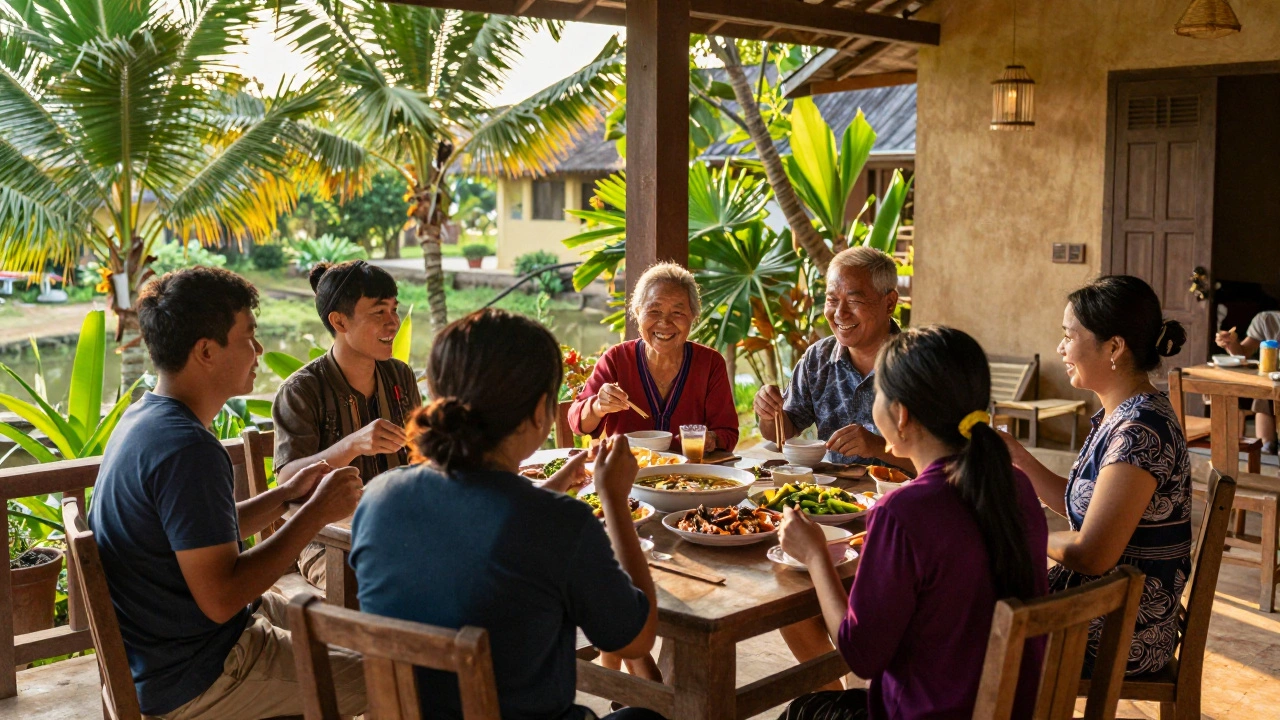
For example, instead of a corporate hotel, you might stay in a family-run guesthouse in Vietnam. The money you pay for your tour doesn't just go to a headquarters in Canada; a significant portion goes directly to the family hosting you. This creates a symbiotic relationship where travelers get an authentic experience and locals gain a sustainable source of income. Have you ever wondered why some tours feel like a movie set? It's because they lack this organic connection. G Adventures avoids this by integrating their itineraries into the actual fabric of the local neighborhood.
Small Groups and the "Chief Experience Officer"
One of the biggest headaches with group travel is the "herd mentality." G Adventures solves this by keeping their groups small-usually 16 people or fewer. This isn't just about comfort; it's about access. A group of 12 can fit into a tiny family-run pasta shop in Italy, whereas a bus of 50 would be turned away. This allows for a level of spontaneity that is impossible on larger tours.
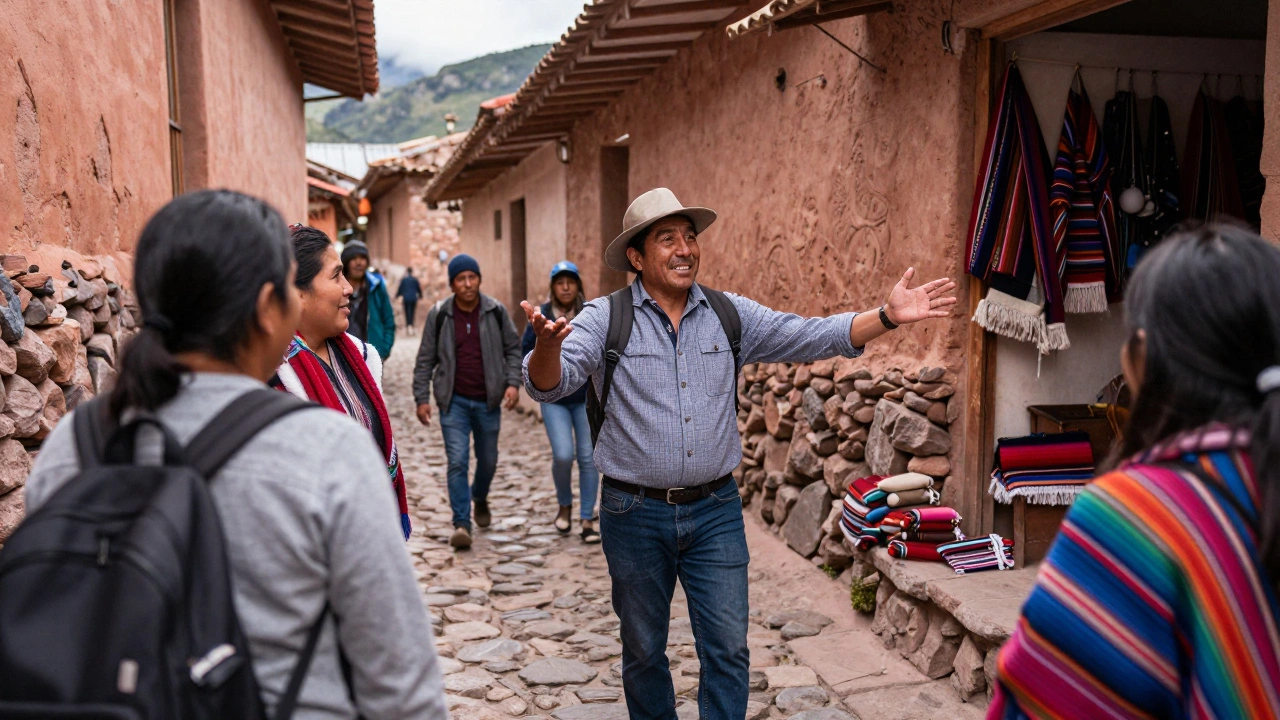
The glue that holds these trips together is the Chief Experience Officer (CEO). This isn't a corporate executive; it's a certified local guide who lives in the region. They are the bridge between you and the culture. A CEO in Peru isn't just reciting dates about the Incas; they're telling you about how their grandfather viewed the mountains or where to find the best corn cakes in the village. This shift from "tour guide" to "experience officer" changes the dynamic from a lecture to a shared journey.
Choosing Your Travel Style
Not every adventurer is the same. Some want to sleep in a hostel and spend $50 a day, while others want a comfortable bed and a glass of wine at night. G Adventures handles this by categorizing their tours into specific styles. This ensures that you're traveling with people who have similar expectations, which is key to avoiding group friction.
| Style | Vibe | Accommodations | Best For... |
|---|---|---|---|
| Classic | Balanced & Social | Mix of hostels and guesthouses | First-timers and budget-conscious adults |
| Roam | More Free Time | Boutique hotels and upgraded guesthouses | People who want structure but also solo exploration |
| National Geographic | Educational & Deep | High-quality, curated lodging | Nature lovers and history buffs |
| Women-Only | Empowering & Safe | Varies by trip | Solo female travelers seeking community |
The Partnership with National Geographic
If you're a bit of a nerd for geography, biology, or anthropology, their collaboration with National Geographic is a major draw. These aren't just standard tours with a few fancy photos. They are carefully designed expeditions that often focus on conservation and science.
When you go on a Nat Geo trip, you're often visiting sites that are critical to global biodiversity or cultural preservation. The itineraries are developed with the help of National Geographic experts, meaning you're learning about the why behind a landscape, not just the what. It turns a vacation into a field study, but without the boring homework. You might spend a morning learning about glacial melt in Patagonia or exploring the hidden ruins of the Maya with a specialist who actually knows the archaeology.
Commitment to Sustainable Tourism
It's easy for companies to slap a "green" label on their website, but G Adventures puts their money where their mouth is by being a B Corp. This means they are legally required to balance profit with purpose. Their approach to sustainable tourism is built on reducing the carbon footprint of travel while maximizing the social benefit.
One way they do this is through their "Plan Terra" initiative. They focus on eliminating single-use plastics and supporting projects that protect wildlife. More importantly, they fight against "leakage"-the phenomenon where travel money leaves the destination and goes back to the corporate office of a global chain hotel. By prioritizing locally-owned businesses, they ensure that your trip actually helps the place you're visiting rather than just consuming it. If you've ever felt guilty about the environmental impact of flying halfway around the world, choosing a company that actively mitigates that damage is a step in the right direction.
What to Expect on a Trip (The Reality Check)
Before you book, you need to know that G Adventures is about adventure, and adventure can be messy. You will likely encounter "local transport," which might mean a crowded minibus in India or a long boat ride in the Amazon. You'll stay in places that have character, but might not have a 24-hour concierge.
The beauty of this is the unpredictability. Some of the best moments happen when a flight is delayed or a road is blocked, and your CEO finds a quirky side-village where you end up sharing tea with a local farmer. This flexibility is a hallmark of their specialization. They don't follow a rigid, minute-by-minute schedule. Instead, they provide a framework and let the local expertise of the CEO fill in the gaps. It's the difference between reading a script and having a real conversation.
Are G Adventures tours safe for solo travelers?
Yes, they are specifically designed for solo travelers. Since you join a small group, you have an instant social circle, and the CEO handles the logistics and safety, which removes the stress of navigating a foreign country alone.
How do I choose between "Classic" and "Roam" styles?
Choose Classic if you're on a budget and enjoy a social, fast-paced environment with a mix of accommodations. Choose Roam if you prefer more hotel-style comfort and want more free time to explore on your own without the group.
Do I need to be an athlete to go on these trips?
Not at all. While some trips involve heavy trekking, they offer a wide range of activity levels. Their website clearly marks each trip as "Physical," "Active," or "Relaxed," so you can match the tour to your fitness level.
What is a B Corp and why does it matter for travel?
A B Corp is a certification for companies that meet high standards of social and environmental performance, transparency, and accountability. In travel, this means the company prioritizes fair wages for guides and environmental protection over maximizing shareholder profit.
Can I customize my G Adventures itinerary?
While their standard small-group tours are set, they do offer private group options for larger parties (usually 10+ people) where you can tailor the itinerary to your specific interests.
Next Steps for Your Adventure
If you're feeling the itch to travel, start by identifying your "comfort threshold." Do you want to be challenged or pampered? Once you know that, browse their travel styles. If you're a complete beginner to group travel, a "Classic" trip in a region like Southeast Asia is a great entry point because the infrastructure is welcoming and the social vibe is high.
If you find yourself overwhelmed by the options, look at the Nat Geo trips first-they usually have the clearest thematic focus. Just remember to pack light, bring an open mind, and be prepared for the fact that the best parts of the trip are often the ones that weren't in the brochure.