
City Break Planner & Budget Estimator
Trip Configuration
You have three days off. Not enough time to fly to Bali or trek the Andes, but definitely too much energy to sit on your couch. You want culture, food, and movement without the logistical nightmare of planning a month-long expedition. This is exactly where the concept of a city break fits in. But what does a city break actually mean in today’s travel landscape? Is it just a fancy term for a weekend away, or is there a specific rhythm and strategy behind these short urban escapes?
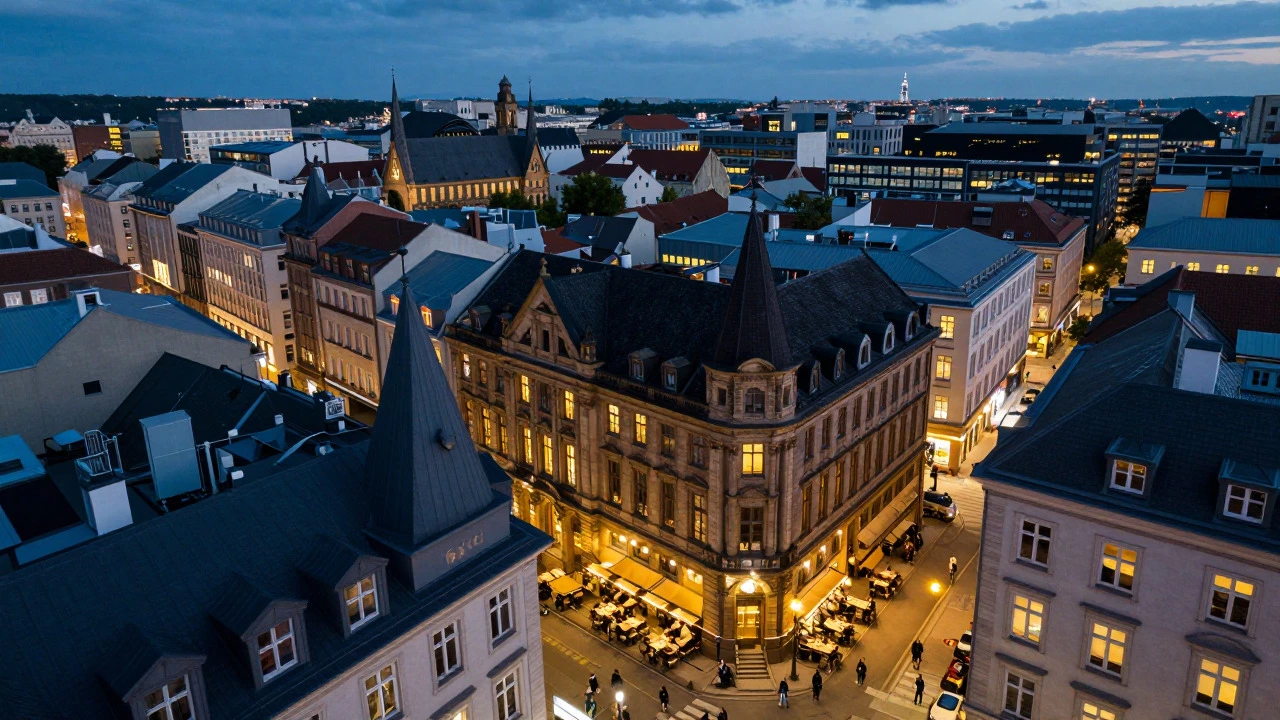
A city break is a short holiday spent in an urban destination, typically lasting from two to five days. Unlike traditional vacations that focus on relaxation at a resort or exploration of vast rural landscapes, a city break prioritizes density. You are trading square mileage for cultural intensity. The goal isn't to see everything; it's to experience the heartbeat of a place-its museums, street food scenes, nightlife, and architectural landmarks-in a concentrated burst of time.
The Anatomy of a Perfect City Break
To understand what a city break means, you have to look at its structure. It is defined by brevity and intensity. If you go to Paris for two weeks, that is a vacation. If you go for three days to eat croissants, visit the Louvre, and walk along the Seine, that is a city break. The distinction matters because it changes how you pack, how you budget, and how you plan your itinerary.
Here is what makes a city break unique compared to other forms of travel:
- Duration: Usually 48 to 120 hours. Anything longer starts requiring a different mindset regarding rest and recovery.
- Location: Strictly urban. Think London, Tokyo, New York, or Barcelona. You are staying within city limits or immediate commuter zones.
- Pace: Fast. You don’t have time for slow mornings or getting lost for hours (unless you enjoy that risk). Every hour counts.
- Accommodation: Central. You will likely pay a premium to stay near public transport hubs so you can maximize your daylight hours.
This format appeals to modern travelers who are often time-poor but experience-hungry. It allows you to tick major destinations off your bucket list without taking significant unpaid leave from work. For example, a Friday-to-Monday trip to Berlin lets you absorb techno culture and history while returning to your job routine with minimal disruption.
Why City Breaks Have Exploded in Popularity
The rise of the city break isn't accidental. It correlates directly with changes in how we work and how we access travel information. In the past, international travel was expensive and required complex visa processes and long-haul flights. Today, low-cost carriers like Ryanair and EasyJet have turned European capitals into day-trip destinations for millions. A flight from London to Lisbon might cost less than a nice dinner out, making spontaneous urban exploration financially viable for average earners.
Social media has also played a massive role. Platforms like Instagram and TikTok showcase cities as curated galleries of photogenic spots. Seeing a friend’s story from Prague’s Old Town Square creates an immediate desire to replicate that experience. Because city breaks are short, they feel manageable. You don’t need to quit your job to do it; you just need to book a Tuesday night flight.
Furthermore, the "experience economy" drives this trend. People value memories over material goods. A city break offers a high density of novel experiences-trying authentic ramen in Osaka, seeing the Acropolis at sunset, or navigating the subway in Mexico City. These moments provide a strong psychological boost, often referred to as "post-travel glow," which lasts well beyond the few days spent abroad.
Planning Your Urban Escape: A Strategic Approach
Because time is limited, poor planning can ruin a city break. You cannot afford to spend half your trip waiting for a bus or realizing your favorite museum is closed on Mondays. Here is how to approach the logistics effectively.
1. Choose Your Destination Wisely
Not all cities are created equal for short trips. Some require more transit time or have higher language barriers that slow down navigation. For a first-time city breaker, stick to places with efficient public transport and English-friendly signage. Cities like Amsterdam, Singapore, and Toronto offer ease of movement that maximizes your sightseeing time. Avoid destinations that require multiple internal transfers upon arrival unless you are experienced in navigating foreign transit systems under pressure.
2. Pack Light, Seriously
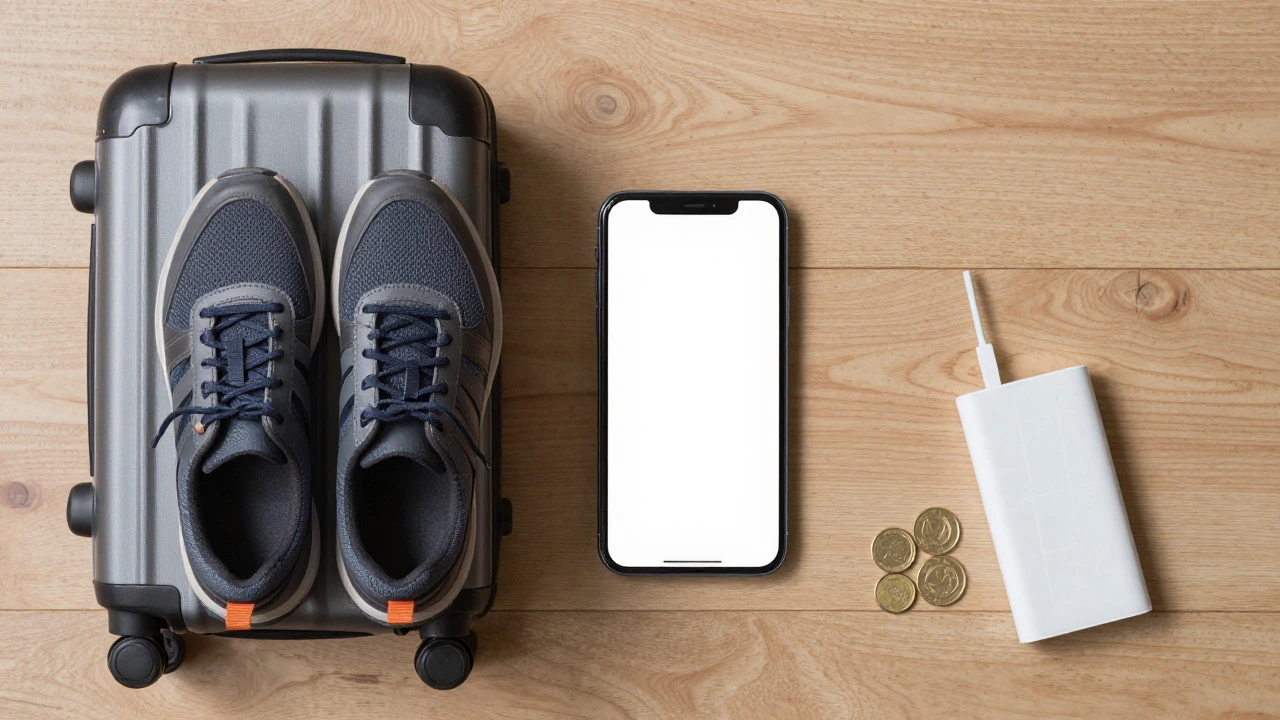
If you are dragging a large suitcase through a crowded metro station in Rome, you are already losing points. A city break demands mobility. A single carry-on backpack or small rolling bag is ideal. You should be able to move quickly between neighborhoods, hop on trains without checking luggage, and store your gear easily in compact hotel rooms. Remember: you are there for 72 hours, not seven weeks. Bring versatile clothing that layers well, comfortable walking shoes, and portable chargers.
3. Prioritize Proximity Over Price
In a beach holiday, you might choose a cheaper hotel far from the sand because you plan to stay put. In a city break, location is king. Pay extra to stay within walking distance of your main attractions or near a central subway hub. Saving $50 on accommodation might cost you $30 in taxi fares and two hours of precious daylight in transit. Time is your scarcest resource, so invest in convenience.
Common Pitfalls to Avoid
Even seasoned travelers make mistakes when compressing their itineraries. Here are the most common traps that turn a fun city break into a stressful ordeal.
| Mistake | Consequence | Smart Solution |
|---|---|---|
| Over-scheduling | Burnout and missing key details | Pick only 2-3 major highlights per day |
| Ignoring Opening Hours | Wasted travel time to closed venues | Check official websites before booking tickets |
| Eating at Tourist Traps | Poor food quality and inflated prices | Walk three blocks away from main squares for lunch |
| Walking Everywhere | Foot fatigue and lost time | Use metro/buses for distances over 1km |
One of the biggest errors is trying to replicate a week-long itinerary in three days. This leads to "museum fatigue," where you stop absorbing anything after the second exhibit. Instead, adopt a theme-based approach. Dedicate one day to art, another to history, and the third to local life and markets. This thematic grouping reduces mental switching costs and helps you build a deeper connection with the city’s identity.
Another issue is underestimating the energy required for urban exploration. Cities are sensory overload environments. Noise, crowds, and constant decision-making drain your battery faster than a relaxed beach day. Schedule downtime. Even if it’s just sitting in a park or having a long coffee, give your brain space to process the stimuli. Without breaks, the end of your trip will feel exhausting rather than rejuvenating.
Budgeting for Short Trips
There is a misconception that city breaks are always expensive. While accommodation in prime locations can be pricey, the short duration actually caps your overall spending. You aren’t paying for daily meals, tours, and activities for two weeks. However, the daily rate feels higher because you are consuming premium services in condensed time.
To manage costs, focus on free or low-cost high-impact activities. Walking tours, public parks, window shopping, and visiting free museums (many European cities have free entry days) offer immense value. Allocate your budget toward one or two splurge items-a nice dinner, a guided tour of a famous landmark, or a unique experience like a cooking class. This balance ensures you get the luxury feel without breaking the bank.
Also, consider the timing. Flying mid-week (Tuesday or Wednesday) can significantly reduce airfare costs compared to weekend departures. Many business travelers fly weekends, driving up prices. By shifting your city break to include a work-from-home day or using a flexible holiday policy, you can save hundreds of dollars on transport alone.
The Cultural Impact of City Breaks
Critics sometimes argue that city breaks promote superficial tourism. They claim that rushing through a city prevents deep cultural immersion. To some extent, this is true. You won’t learn the local language or understand the nuanced political history in three days. However, city breaks serve as gateways. They spark interest. That quick trip to Kyoto might inspire you to return later for a deeper study of tea ceremonies. Or a weekend in Dublin might lead you to explore Irish literature more seriously back home.
Moreover, city breaks support local economies in direct ways. When you buy coffee from a local roaster, take a photo at a neighborhood mural, or dine at a family-run bistro, you are injecting money into the community. Unlike mass-resort tourism, which often leaks profits to international corporations, urban tourism tends to circulate within the city’s ecosystem. Just be mindful of overtourism issues. Try to visit popular sites early in the morning or late at evening to disperse crowd pressure.
Is a City Break Right for You?
City breaks are not for everyone. If you crave silence, nature, and unstructured time, an urban escape might feel chaotic and draining. Introverts or those recovering from burnout might find the constant stimulation overwhelming. In such cases, a countryside retreat or a beach holiday might be more restorative.
However, if you are curious, energetic, and love the buzz of human activity, a city break is unparalleled. It offers a rapid injection of inspiration, new perspectives, and memorable stories. It fits neatly into the cracks of modern life, allowing you to expand your world without disrupting your responsibilities.
How many days is a typical city break?
A typical city break lasts between 2 to 5 days. Most travelers opt for a long weekend (Friday to Monday) or a three-night stay. This duration is short enough to minimize time off work but long enough to explore major attractions and taste local cuisine without feeling rushed.
Are city breaks expensive?
City breaks can vary in cost, but they are often affordable due to their short duration. While accommodation in city centers may be pricey per night, the total expense is lower than a week-long vacation. Using budget airlines, eating at local eateries instead of tourist restaurants, and utilizing public transport can keep costs down significantly.
What is the difference between a city break and a holiday?
The main difference lies in duration and purpose. A traditional holiday usually implies a longer period of relaxation, often in a resort or natural setting, focused on unwinding. A city break is short, urban-focused, and activity-driven. It prioritizes cultural experiences, dining, and sightseeing in a dense environment rather than pure relaxation.
How should I pack for a city break?
Pack light and versatile. A carry-on bag or backpack is ideal. Include comfortable walking shoes, layers for changing weather, and essentials like power banks and adapters. Since you will be moving around frequently, avoid heavy luggage. Stick to neutral colors that mix and match easily, allowing you to dress appropriately for both casual streets and nicer dinners.
Can you do a city break with kids?
Yes, city breaks can be great for families if planned correctly. Choose cities with good infrastructure, parks, and interactive museums. Keep itinerities loose to allow for naps or breaks. Many cities offer family-friendly tours and discounts. However, avoid overly crowded periods and ensure accommodations are spacious enough for children to rest comfortably.