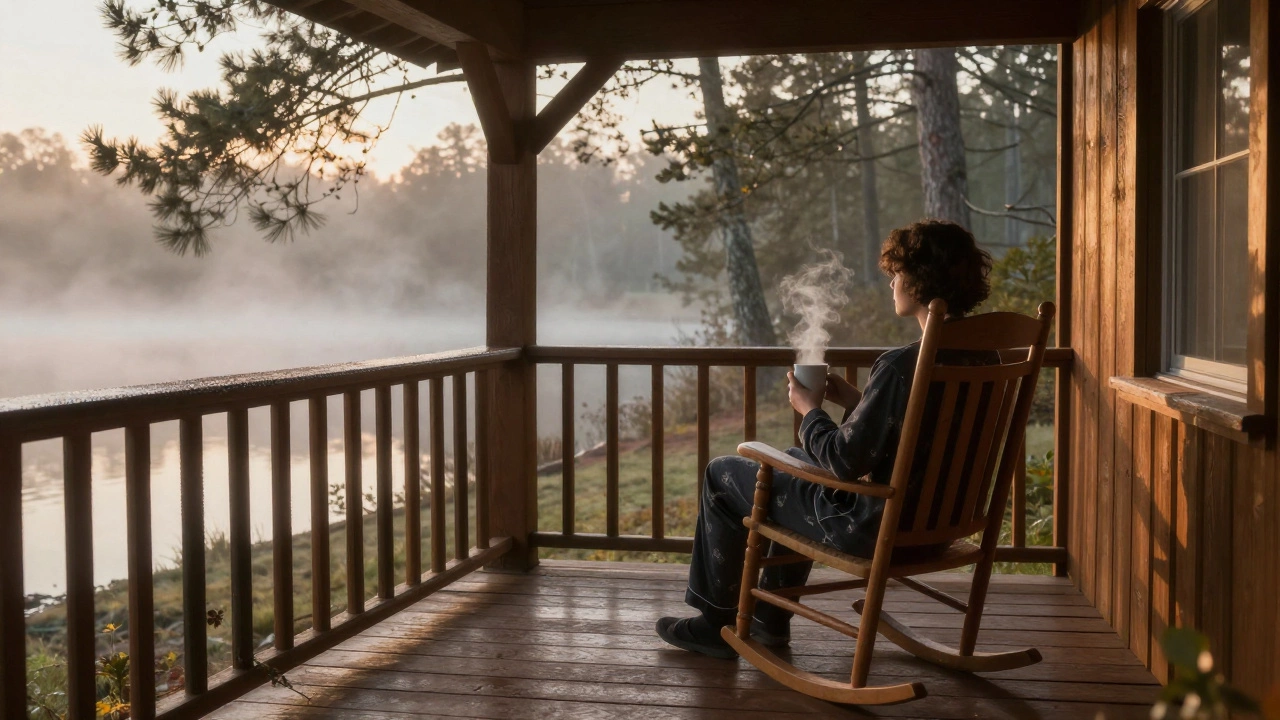
People don’t go to cottages to check off a list. They go to unplug. To breathe. To forget what day it is. If you’ve ever scrolled through Instagram photos of wooden cabins with fairy lights and assumed cottages are all about picture-perfect mornings with coffee and books, you’re missing the real point. The truth is, what people do at cottages is messy, quiet, and deeply personal - and it has almost nothing to do with trends.
Waking Up Without an Alarm
The first real thing people do at cottages? Sleep. Not just more hours - but better. No alarms. No emails. No notifications buzzing under the pillow. In a cottage, you wake when the light hits the kitchen window just right, or when the birds start chirping louder than the wind in the pines. You stretch. You sit on the porch in your pajamas. You make tea slowly, watching steam rise in the cold air. There’s no rush. No need to be anywhere until you decide you are.
Doing Nothing - On Purpose
Most people come to cottages because their lives are too full. They’ve been running on autopilot for months - meetings, commutes, school runs, chores. At the cottage, doing nothing becomes an act of rebellion. You sit in a rocking chair and stare at the lake. You watch clouds move. You flip through a book you bought two years ago and never opened. You don’t feel guilty about it. In fact, you feel better. Studies from the University of Exeter show that people who spend just two hours a week in nature report significantly lower stress levels. A cottage isn’t a vacation spot - it’s a reset button.
Cooking Like It Matters (Even If It’s Just Pasta)
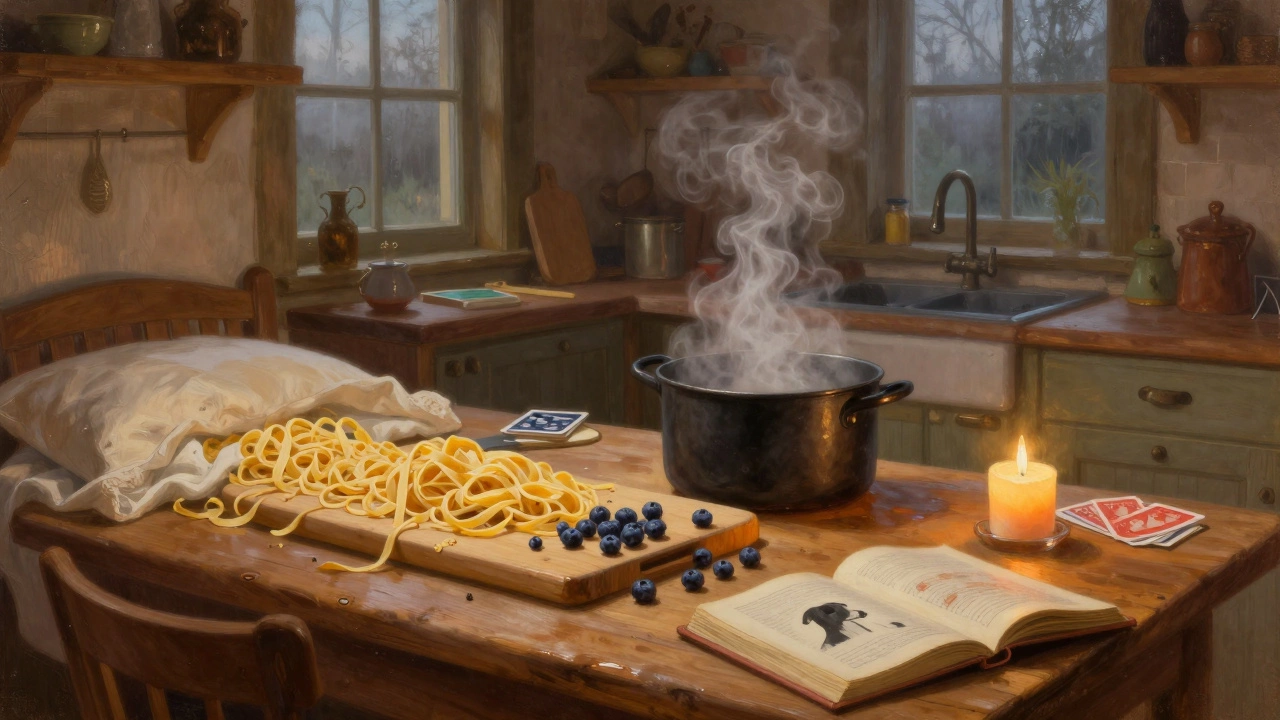
At home, dinner is a chore. At the cottage, it’s an event. You buy fresh bread from the local shop. You pick wild blueberries off a bush near the path. You chop onions while the fire crackles in the stove. You cook pasta with garlic and butter because that’s all you need. You eat at the wooden table, plates clinking, windows fogged from the steam. Someone laughs. Someone drops a fork. No one cares. The food doesn’t have to be fancy. It just has to be shared. And eaten slowly.
Walking Without a Destination
People walk. A lot. Not to burn calories. Not to track steps on a watch. They walk because the path through the woods feels like a secret. They follow dirt trails that lead nowhere - just to see what’s around the next bend. Maybe it’s an old stone wall covered in moss. Maybe it’s a creek where the water runs clear enough to see the pebbles. Maybe it’s a bench someone built years ago, still holding up under the weather. You don’t need a map. You don’t need a goal. You just need to move your legs and let your mind wander.
Playing Games Like You Did as a Kid
There’s always a box of cards in the drawer. Sometimes it’s Monopoly, worn down from years of use. Sometimes it’s Scrabble with missing letters. You pull them out. You light a candle. You play for hours. No one checks their phone. No one talks about work. You argue over rules you made up as kids. You cheat a little. You laugh when someone spells “quixotic” and wins. These games aren’t about winning. They’re about remembering how to be silly. How to be present.
Staring at the Night Sky
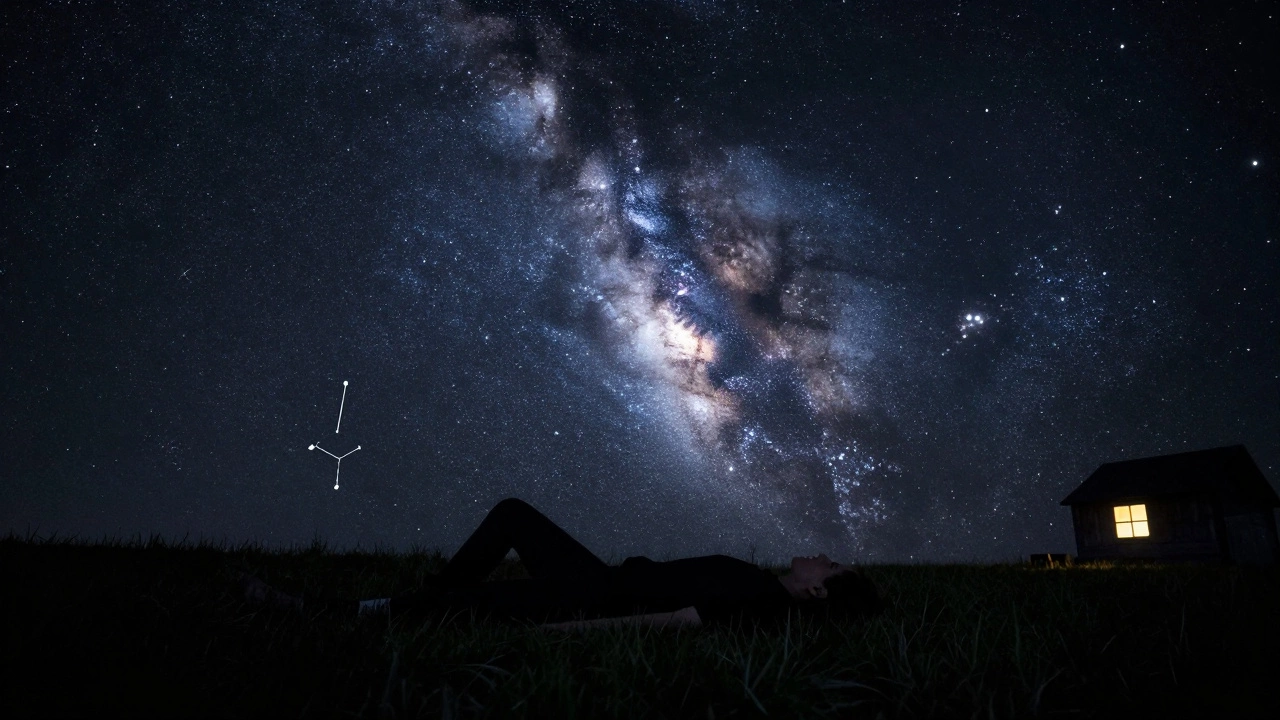
Back in the city, you see maybe three stars. At the cottage, the sky opens up. You step outside after dark. The cold hits your face. You look up. And you see it - the Milky Way, thick and bright, like spilled salt across black velvet. You point out constellations you learned in school but forgot. You lie on the grass. You don’t talk. You just breathe. For a few minutes, you feel small in the best way. Not insignificant - connected.
Fixing Things That Don’t Need Fixing
You notice the screen door doesn’t close right. You grab a screwdriver. You tighten the hinge. It still creaks. You don’t care. You sand down the rough edge of the porch step. You repaint the window frame with leftover paint. You don’t need to. But you do it anyway. There’s something calming about making something slightly better, even if no one else notices. It’s not about productivity. It’s about presence. You’re not fixing a door - you’re fixing your rhythm.
Reading Books You’d Never Buy at Home
You find an old paperback on the shelf - dog-eared, water-stained, title faded. You start reading it. You finish it in two days. You didn’t plan to. You didn’t pick it because it was on a bestseller list. You picked it because it was there. And now you remember how it feels to lose yourself in a story without checking the time. You don’t take notes. You don’t review it online. You just let it change you, quietly.
Coming Home Different
People don’t talk about this part. But it’s the most important. When you leave the cottage, you don’t just pack your bags. You pack something else too. A slower heartbeat. A quieter mind. A different way of seeing things. You notice how loud the city is. How fast people walk. How often they check their phones. You smile a little, remembering how quiet the lake was. You don’t need to go back to the cottage every weekend. You just need to remember what it felt like to be still.
Do you need a car to get to a cottage?
Most cottages in the UK are in rural areas, so yes - a car is usually necessary. Public transport rarely goes directly to the door. But some cottage rentals are near train stations or bus routes, especially in places like the Lake District or the Cotswolds. Always check the listing details before booking.
Are cottages only for summer?
No. Many people prefer winter cottages. Snow on the roof, a wood stove going, hot chocolate in hand - it’s peaceful in a completely different way. Some cottages even have hot tubs or saunas. The key is making sure it’s properly insulated and has reliable heating. Winter stays are often cheaper and quieter.
Can you work from a cottage?
Some people try. But most find they can’t. Wi-Fi is spotty. The view is too distracting. The silence makes your brain want to rest, not focus. If you’re planning to work, pick a cottage with strong internet and a dedicated desk. But be honest - you’ll probably spend more time walking, reading, or staring out the window than you will on Zoom calls.
What’s the best time of year to rent a cottage?
Late spring (May) and early autumn (September) are ideal. The weather is mild, the crowds are gone, and prices are lower than in peak summer. Winter works if you like quiet and cold. Summer is busy - but great if you’re with kids and want to swim or hike. Avoid bank holidays unless you’re okay with traffic and full parking lots.
What should you pack for a cottage trip?
Forget the fancy clothes. Pack layers - cottages can be chilly, even in summer. Bring sturdy shoes for walking, a flashlight, a good book, snacks, and maybe a board game. Don’t overpack kitchen items - most cottages have basic cookware. If you want coffee, bring your own beans. The local shop won’t have your favorite brand. And always bring a towel for the lake or river if you plan to swim.
What Makes a Cottage Different From a Hotel?
A hotel gives you service. A cottage gives you space. Space to be quiet. Space to be messy. Space to forget who you’re supposed to be. You don’t get room service. You get silence. You don’t get a concierge. You get a neighbor who waves from their garden. You don’t get a fancy breakfast. You get toast with jam made from berries you picked yourself. That’s the difference. It’s not about luxury. It’s about belonging - even if just for a few days.
Why Cottages Are the Real Staycation
People say “staycation” when they mean staying home and watching Netflix. But a real staycation means leaving your routine - not your country. A cottage is the perfect middle ground. You don’t need a passport. You don’t need to book flights. You just need to drive a couple of hours and step out into a different kind of quiet. That’s why cottage rentals in the UK have grown 37% since 2020, according to the Association of British Travel Agents. People aren’t just escaping cities - they’re escaping the noise inside their own heads.