Trip Anxiety Quick Fix Generator
Feeling overwhelmed before your trip? Select the specific type of anxiety you are experiencing to get personalized, actionable strategies to help you regain control and reduce stress.
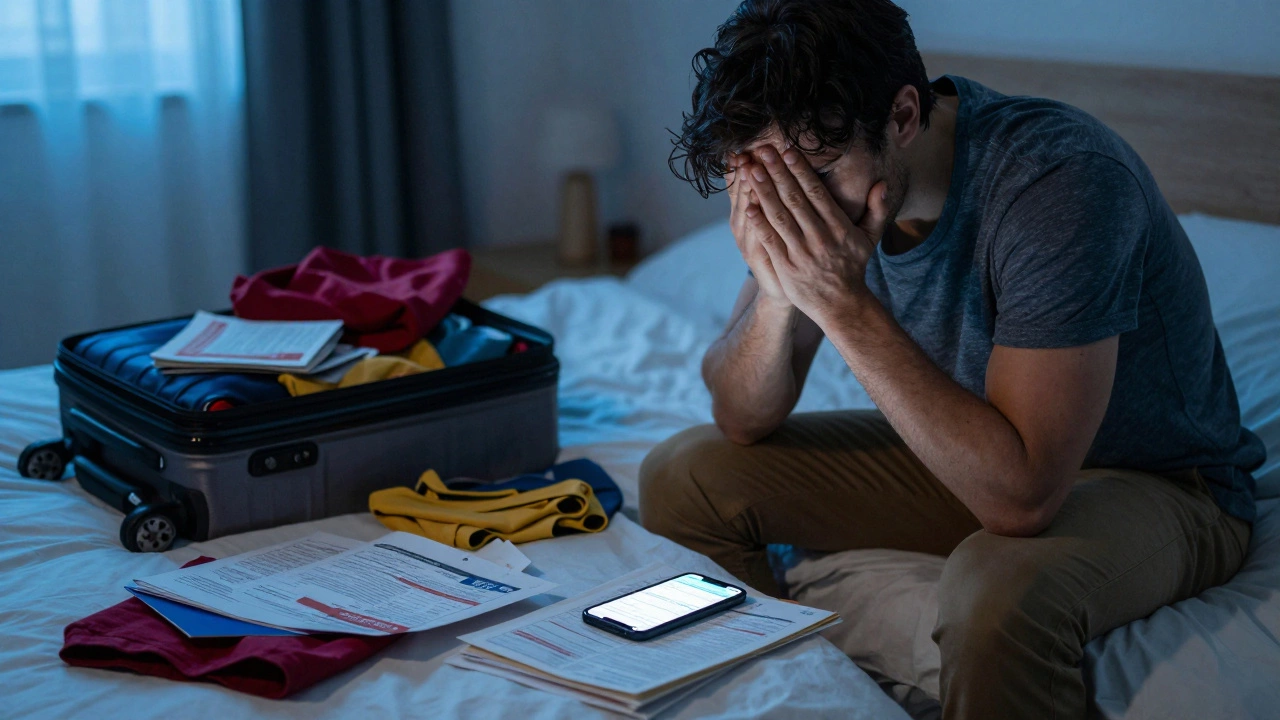
You’ve booked the tickets. You’ve packed your bag. Maybe you’ve even picked out the outfit for the first night. But instead of excitement, you feel a knot in your stomach that just won’t go away. Your heart races when you check the flight tracker. You replay every possible disaster scenario in your head. This isn’t just "nerves"-it’s trip anxiety, and it’s more common than you think.
If you’re planning a quick escape or a long-haul adventure, this feeling can derail everything before you even leave the house. So, what exactly is causing this dread? Is it the fear of flying? The cost? Or something deeper? Let’s break down the real reasons behind travel stress and how to tackle them so you can actually enjoy your time off.
The Fear of Losing Control
At its core, trip anxiety often comes from one simple thing: uncertainty. When you’re at home, you know where the coffee mugs are. You know how long it takes to get to work. You know who to call if the Wi-Fi goes down. Travel strips all that away.
When you step onto a plane or into a train station, you hand over control to strangers. Pilots, conductors, hotel staff, and traffic laws dictate your day. For people who thrive on routine or have high standards for organization, this loss of autonomy is terrifying. You can’t control whether the flight gets delayed. You can’t force the restaurant to open on time. That helplessness triggers a stress response.
To fix this, try to reclaim small pockets of control. Don’t try to micromanage the whole trip. Instead, focus on what you *can* influence. Pack a comfort item. Download offline maps so you aren’t dependent on spotty data. Know the address of your accommodation in the local language. These tiny anchors give your brain a sense of safety without trying to control the uncontrollable.
Sensory Overload and New Environments
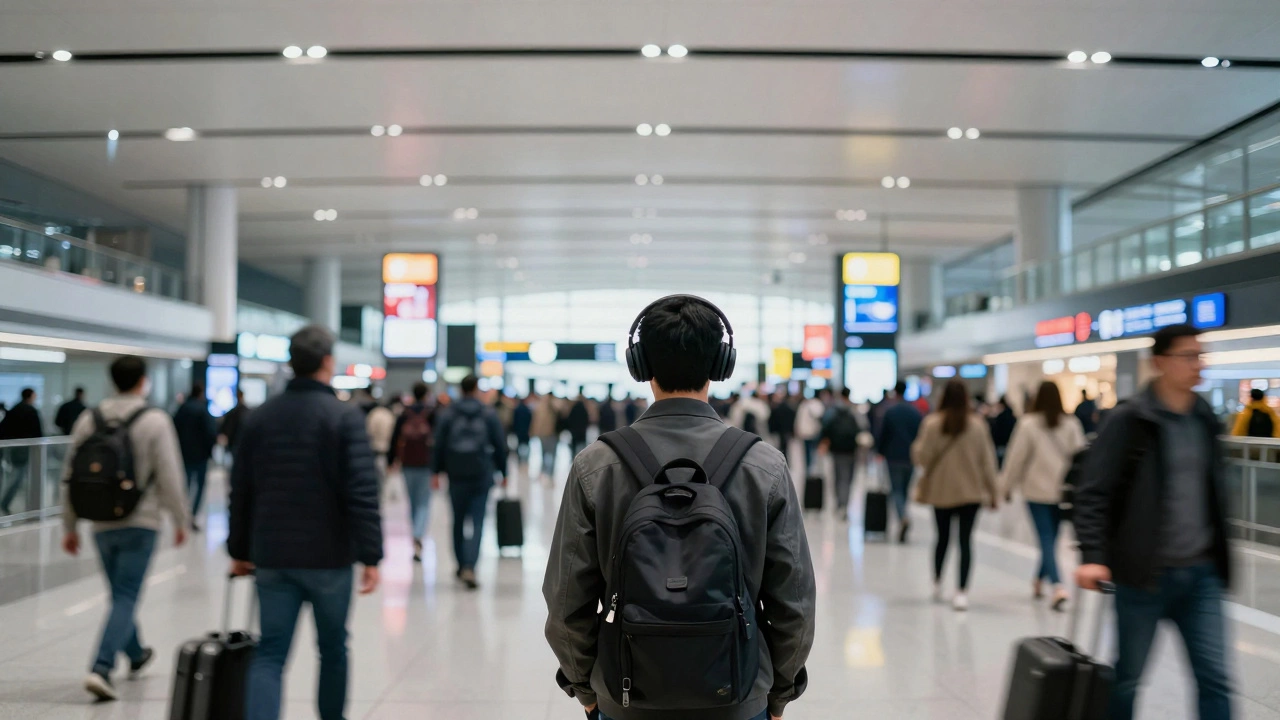
Your brain is wired to detect threats, and new environments are full of unknown variables. Think about an airport terminal. It’s loud. It’s crowded. People are rushing. There are announcements in languages you might not understand. For someone with sensory processing sensitivities, this isn’t just annoying-it’s exhausting.
This is especially true for weekend getaways where you might be staying in a busy city center. The noise of nightlife, the smell of street food, the brightness of neon signs-it all adds up. If you’re already stressed about work or life back home, adding sensory chaos to the mix can push you over the edge.
Here’s a practical tip: build in "decompression zones." If you’re arriving late at night, don’t plan a dinner reservation right after you land. Book a quiet hotel room away from the main road. Wear noise-canceling headphones during transit. Give your nervous system a chance to adjust to the new stimuli before you dive into the itinerary.
The Pressure to Have a "Perfect" Time
We live in an age of curated travel. Instagram and TikTok show us sunsets that look like paintings and cafes that look like museums. We see these images and subconsciously set a standard for our own trips. If our experience doesn’t match the highlight reel, we feel like we’re failing.
This pressure creates a paradox: you travel to relax, but you stress about relaxing. You worry that if you don’t visit the top five landmarks, the trip was a waste. You fear that if the weather is bad, the photos won’t turn out, and the memory will be ruined. This performance anxiety turns leisure into labor.
Break the cycle by lowering the stakes. Decide on one or two "must-do" things and let the rest fall where it may. If it rains, stay in and read a book. If the famous museum is closed, find a local park instead. Remind yourself that the goal of a holiday is to recharge, not to produce content or check boxes.
Financial Stress and Hidden Costs
Money is a major trigger for travel anxiety. Even if you can afford the ticket, there’s always the fear of unexpected expenses. Will the taxi driver overcharge you? Is the resort fee hidden in the fine print? What if I lose my wallet?
In 2026, travel costs fluctuate wildly due to fuel prices and seasonal demand. A budget set three months ago might not hold up today. This financial uncertainty keeps many travelers awake at night. They worry about draining their savings on a few days of fun.
Mitigate this by creating a "panic fund." Set aside a small amount of cash specifically for emergencies. Use a credit card with no foreign transaction fees so you aren’t surprised by exchange rates. Research the average cost of meals and transport in your destination beforehand. Knowing the numbers reduces the mystery and makes the spending feel predictable.
Social Anxiety and Solo Travel Fears
If you’re traveling alone, or even with friends you don’t know well, social dynamics can become a source of stress. Will I sit alone at dinner? Will I make awkward eye contact with locals? What if my travel companion gets bored or angry?
Solo travel is growing in popularity, but it brings unique pressures. You have to make every decision yourself. You can’t delegate the navigation or the ordering. And yes, eating alone in a public place can feel vulnerable if you’re not used to it.
Start small. If solo travel feels too big, try a guided group tour for your next trip. These tours handle the logistics and provide built-in companionship. If you’re traveling with others, communicate your needs early. Tell your friend, "I need some quiet time in the afternoon," or "I’m happy to lead the planning, but I’d love your input on restaurants." Clear communication prevents resentment and confusion.

Health Concerns and Safety Worries
Post-pandemic, many travelers still carry health-related anxiety. Are the water supplies safe? Is the air quality good? What if I get sick and don’t speak the language needed to see a doctor?
Safety concerns also play a role. Reading news headlines about crime in a destination can make you hyper-vigilant. You start scanning every stranger as a potential threat. This state of constant alertness is mentally draining and kills any sense of joy.
Fact-check your fears. Look up current health advisories from reliable sources like the CDC or WHO. Buy comprehensive travel insurance that covers medical evacuation. Learn basic phrases for asking for help or directions. Knowledge is power. When you know exactly what to do in an emergency, the fear loses its grip.
| Anxiety Trigger | Why It Happens | Quick Fix Strategy |
|---|---|---|
| Loss of Control | Unfamiliar routines and dependence on others | Pack comfort items; download offline maps |
| Sensory Overload | Noise, crowds, and bright lights in transit hubs | Use noise-canceling headphones; schedule quiet hours |
| Perfectionism | Pressure to match social media highlights | Set low expectations; embrace spontaneity |
| Financial Uncertainty | Fear of hidden fees or overspending | Create a panic fund; research local costs |
| Social Vulnerability | Eating alone or navigating group dynamics | Join group tours; communicate needs clearly |
How to Reset Your Mindset Before You Go
Dealing with trip anxiety isn’t about eliminating stress entirely. It’s about managing it so it doesn’t hijack your experience. Start by acknowledging your feelings. Don’t tell yourself you’re being silly. Your brain is trying to protect you. Thank it for the warning, then gently redirect your focus.
Practice grounding techniques. When you feel the panic rising, use the 5-4-3-2-1 method. Name five things you can see, four you can touch, three you can hear, two you can smell, and one you can taste. This pulls you out of your head and into the present moment.
Finally, remember that discomfort is part of growth. Every great travel story has a hiccup. The missed connection, the wrong turn, the rainy day-these aren’t failures. They’re the texture of real life. Embrace the messiness. Your best memories often come from the moments that didn’t go according to plan.
Is trip anxiety normal?
Yes, it is very common. Many people experience pre-trip jitters due to uncertainty, financial stress, or fear of the unknown. It becomes a problem only if it prevents you from traveling or significantly impacts your enjoyment.
How do I stop worrying about travel plans?
Focus on what you can control, such as packing and booking essentials. Accept that some things, like weather or delays, are out of your hands. Practice mindfulness techniques to stay grounded in the present moment rather than worrying about future scenarios.
What is the difference between travel anxiety and agoraphobia?
Travel anxiety is situational and related to specific aspects of a trip, like flights or hotels. Agoraphobia is a broader phobia involving fear of situations where escape might be difficult, such as open spaces or crowds. If your fear is severe and persistent, consult a mental health professional.
Can medication help with trip anxiety?
For some people, short-term anti-anxiety medication prescribed by a doctor can help manage acute symptoms, especially during flights. However, it should be used cautiously and in combination with behavioral strategies like breathing exercises and preparation.
How do I deal with anxiety while traveling alone?
Stay connected with friends or family back home. Share your itinerary with someone trusted. Join social activities or tours to meet other travelers. Remind yourself that solo travel is a skill that improves with practice, and most people are friendly and helpful.