Adventure Holiday Finder
What excites you most?
Select all that apply.
What is your preferred intensity?
Be honest about your current fitness level.
What is your budget range?
Estimated cost per person excluding flights.
Your Perfect Match:
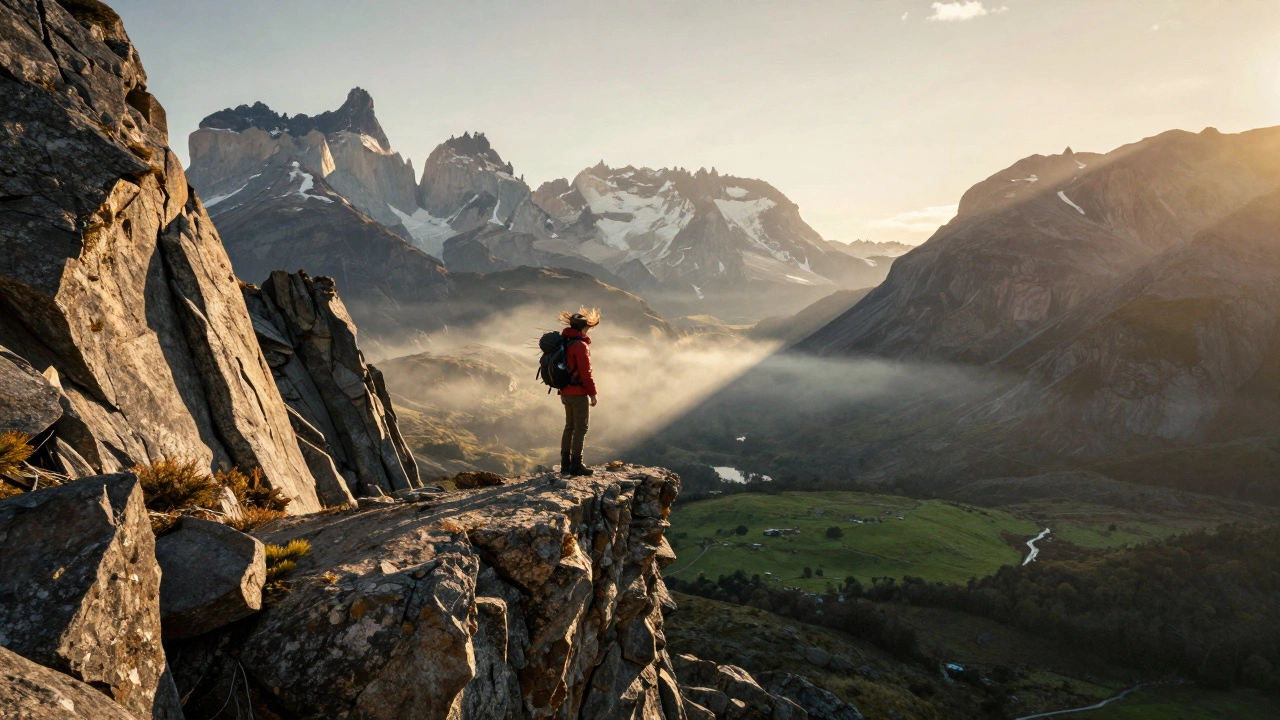
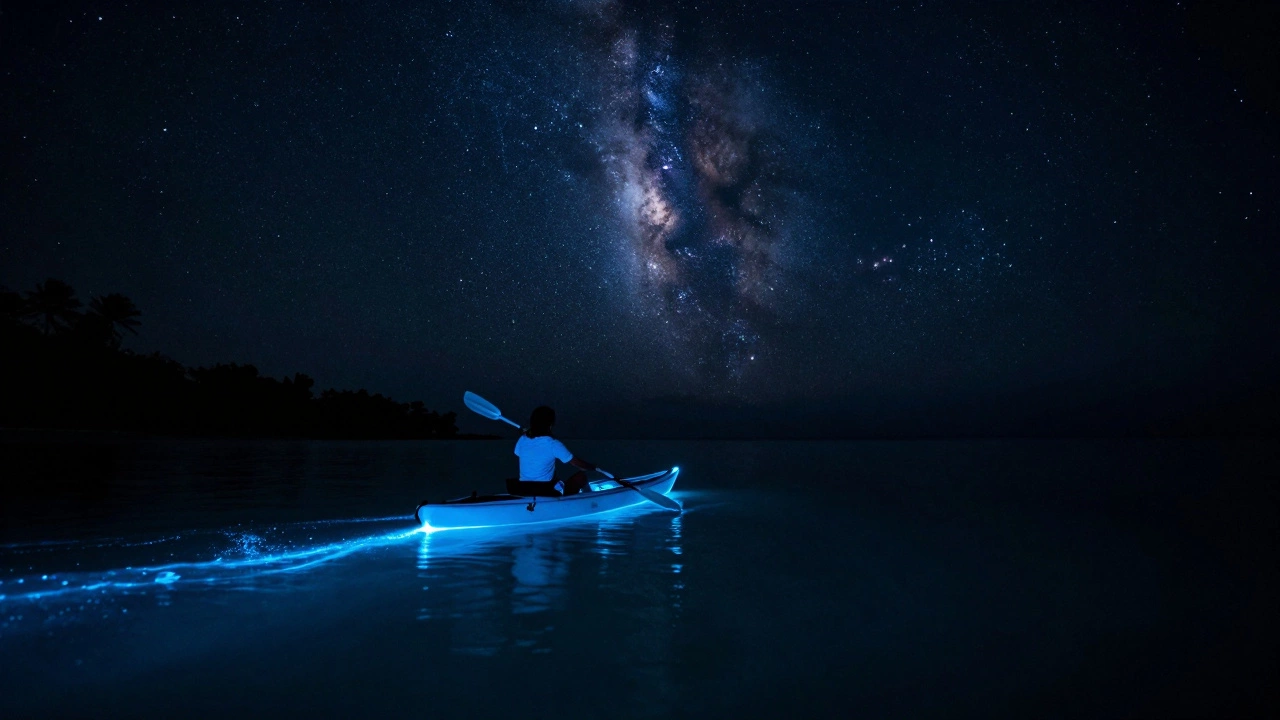
Imagine standing on the edge of a cliff in Patagonia, wind whipping around you, knowing that in ten minutes you’ll be rappelling down into a valley most people only see from satellite photos. Or picture yourself paddling through bioluminescent waters in Puerto Rico, completely alone under a sky full of stars. These aren’t just trips; they’re experiences that shake you out of your routine and force you to engage with the world in a raw, unfiltered way. That’s the essence of an adventure holiday.
But what exactly makes a vacation "adventurous"? Is it just about adrenaline? Do you need to be a professional athlete to book one? And more importantly, how do you find an experience that matches your comfort level without risking safety or breaking the bank? Let’s break down what these holidays really are, who they’re for, and how to plan one that feels exciting rather than overwhelming.
The Core Definition: More Than Just Adrenaline
An adventure holiday is a type of travel focused on physical activity, exploration, and immersion in natural or cultural environments. Unlike traditional beach resorts where the goal is relaxation, adventure travel prioritizes engagement. You’re not watching the scenery; you’re moving through it.
This definition covers a huge spectrum. On one end, you have high-intensity activities like white-water rafting in Grade V rapids or summiting Mount Kilimanjaro. On the other end, you have low-impact explorations like hiking gentle trails in the Scottish Highlands or cycling through the countryside of Tuscany. The common thread isn’t necessarily danger-it’s presence. You’re paying attention. You’re learning skills. You’re connecting with places in a deeper way.
Many people confuse adventure travel with extreme sports tourism. While there’s overlap, they’re not identical. Extreme sports focus on competition and pushing human limits. Adventure holidays focus on discovery and personal growth. You can have a deeply adventurous trip without ever touching a rope or jumping out of a plane.
Why People Choose Adventure Over Relaxation
You might wonder why anyone would choose exhaustion over ease. The answer lies in psychology. Modern life is often sedentary, predictable, and screen-heavy. Adventure holidays offer the opposite: unpredictability, physical exertion, and sensory richness.
Research in positive psychology suggests that overcoming manageable challenges releases dopamine and serotonin, creating a lasting sense of accomplishment. This is sometimes called "flow state." When you’re kayaking through a canyon, you can’t think about emails. You’re fully present. That mental clarity doesn’t vanish when you return home; it lingers.
There’s also a social component. Shared hardship builds bonds faster than shared leisure. Couples who go rock climbing together often report stronger communication. Friends who trek across deserts develop deeper trust. Even solo travelers find community in hostels and guide groups, connecting with others who share their curiosity.
Finally, there’s the environmental angle. Adventure travelers tend to visit remote, less-developed areas. This can support local economies directly, as guides, homestays, and small tour operators benefit. It also encourages conservation awareness. When you care about a place enough to hike its trails, you’re more likely to care about protecting it.
Types of Adventure Experiences
Adventure holidays aren’t one-size-fits-all. They fall into several categories based on activity, environment, and intensity. Understanding these helps you pick the right fit.
- Mountain & Alpine: Includes hiking, trekking, mountaineering, and skiing. Destinations like the Alps, the Himalayas, and the Rockies dominate this category. Physical fitness varies by activity-day hikes require basic stamina, while multi-day treks demand endurance.
- Water-Based: Covers kayaking, snorkeling, scuba diving, surfing, and white-water rafting. Water adventures often require specific certifications (like PADI for diving) and respect for weather conditions. Coastal regions like Costa Rica and Indonesia are hotspots.
- Safari & Wildlife: Involves tracking animals in their natural habitats. This can mean game drives in Kenya or bird-watching walks in the Pantanal. It requires patience, quiet observation, and often early mornings.
- Cultural & Rural: Focuses on engaging with local communities through farming, cooking, or craft workshops. Examples include rice terrace trekking in Bali or shepherding stays in New Zealand. These trips emphasize connection over conquest.
- Air & Height: Includes bungee jumping, skydiving, paragliding, and zip-lining. These are short-duration, high-adrenaline activities often added to broader itineraries. They appeal to those seeking instant thrills.
Note that many trips combine categories. A trip to Nepal might include mountain trekking, cultural visits to monasteries, and river rafting. Hybrid experiences are becoming increasingly popular because they offer variety.
Who Is Adventure Travel For?
A common myth is that adventure holidays are only for young, fit individuals. This couldn’t be further from the truth. The industry has evolved to accommodate all ages and abilities.
For beginners, guided tours provide structure and safety. Reputable operators assess your fitness level before booking and offer alternatives if needed. Many companies now specialize in "soft adventure"-low-risk activities with high reward. Think horseback riding along beaches or gentle bike tours through vineyards.
Senior travelers are a growing demographic in adventure tourism. Companies like G Adventures and Intrepid Travel offer senior-friendly itineraries with slower pacing, smaller groups, and accessible accommodations. The key is honesty about your limitations and choosing operators who prioritize inclusivity.
Families also benefit. Kids thrive on novelty and physical play. Multi-generational trips can include activities for all levels-perhaps parents swim with dolphins while kids build sandcastles nearby. The shared excitement creates memories that last decades.
Solo travelers find adventure holidays particularly appealing. Group dynamics reduce loneliness, and guides act as both educators and companions. Solo adventurers often report higher confidence levels after returning home.
Planning Your First Adventure Holiday
Booking an adventure trip requires different considerations than a standard vacation. Here’s a practical checklist to ensure success.
- Assess Your Fitness Honestly: Don’t overestimate your capabilities. If you haven’t hiked in years, start with day trips. Gradually increase distance and elevation. Consult your doctor if you have pre-existing conditions.
- Choose the Right Operator: Look for certifications like GSTC (Global Sustainable Tourism Council) or local equivalents. Read reviews specifically mentioning safety protocols and guide expertise. Avoid companies that cut corners on equipment or training.
- Invest in Proper Gear: You don’t need the most expensive brand, but you do need reliable equipment. Waterproof jackets, sturdy boots, and moisture-wicking clothing are essentials. Rent specialized gear (like crampons or dry suits) locally to save luggage space.
- Check Insurance Coverage: Standard travel insurance rarely covers adventure activities. Purchase policies that explicitly include your planned activities. Verify coverage for medical evacuation, which can cost tens of thousands in remote areas.
- Respect Local Cultures: Research customs, dress codes, and etiquette. Adventure travel often takes you into indigenous communities. Ask permission before photographing people. Support local businesses instead of international chains.
- Prepare Mentally: Expect discomfort. Weather changes, plans shift, and fatigue sets in. Embrace flexibility. The best moments often come from unplanned detours.
Timing matters too. Shoulder seasons (spring and autumn) often offer better weather and fewer crowds than peak summer months. Book well in advance for popular destinations, especially during festivals or wildlife breeding seasons.
Safety and Sustainability Considerations
Safety and sustainability are two sides of the same coin in adventure travel. Neglecting either undermines the experience.
On safety, always verify guide credentials. Certified instructors undergo rigorous training in first aid, risk assessment, and emergency response. Never ignore weather warnings. Nature is unpredictable, and respecting its power keeps you alive.
Regarding sustainability, adventure tourism can harm fragile ecosystems if mismanaged. Stick to marked trails to prevent erosion. Avoid feeding wildlife, which alters natural behaviors. Choose operators who contribute to conservation projects or employ local staff fairly.
Carbon footprint is another concern. Flying to remote locations generates emissions. Offset your carbon by supporting reforestation initiatives. Consider train or bus travel for regional adventures to reduce impact.
Ethical tourism means leaving places better than you found them. Pick up trash, even if it’s not yours. Learn basic phrases in the local language. Show genuine interest in residents’ lives. These small actions build mutual respect.
Costs and Budgeting
Adventure holidays vary widely in price. A weekend zip-lining trip might cost $100, while a month-long expedition to Antarctica can exceed $10,000. Factors influencing cost include destination, duration, group size, and equipment inclusion.
To budget effectively:
- Prioritize Essentials: Spend on safety-critical items like helmets, harnesses, and insurance. Save on souvenirs and luxury meals.
- Travel Off-Peak: Prices drop significantly outside school holidays and major festivals.
- Group Discounts: Many operators offer reduced rates for larger parties. Coordinate with friends or join organized groups.
- Local Alternatives: Instead of imported gear, rent from local shops. Eat at family-run restaurants rather than tourist traps.
Remember that value isn’t just monetary. The skills you learn, the connections you make, and the perspectives you gain often outweigh the financial investment.
Do I need to be an athlete to go on an adventure holiday?
No. Adventure holidays cater to all fitness levels. Operators offer "soft adventure" options like gentle hikes or cultural walks. Always disclose your fitness level when booking so guides can tailor the experience safely.
Is adventure travel safe for seniors?
Yes, with proper planning. Many companies specialize in senior-friendly itineraries with slower pacing and accessible logistics. Consult your doctor beforehand and choose operators with strong safety records.
How much does an average adventure holiday cost?
Costs range from $500 for a weekend domestic trip to $5,000+ for international expeditions. Budget depends on destination, duration, and included services. Off-peak travel and group discounts help reduce expenses.
What gear should I pack for my first adventure trip?
Essentials include waterproof jacket, sturdy hiking boots, moisture-wicking clothes, sunscreen, and a basic first-aid kit. Rent specialized gear locally to avoid heavy luggage. Check operator recommendations for specific activities.
Does regular travel insurance cover adventure activities?
Usually not. Standard policies exclude high-risk activities. Purchase specialized adventure travel insurance that explicitly covers your planned activities, including medical evacuation and equipment loss.