Responsible Tourism Impact Calculator
How Your Choices Affect Local Communities
Select your staycation preferences to see how your travel habits impact UK communities and ecosystems. Based on data from the UK Tourism Impact Report 2025.
Your Impact Assessment
Carbon Footprint
1,200 kg CO2
Equivalent to 3 round-trip flights from London to EdinburghLocal Benefits
£150
Amount supporting local businessesCrowd Reduction
40%
Compared to peak season crowdsIntroduction: The Double-Edged Sword of Tourism
Every year, over 40 million tourists visit the UK, but the benefits aren't shared equally. While tourism supports 1.5 million jobs and contributes £126 billion to the economy, its negative effects are becoming impossible to ignore. For UK residents taking staycations-especially in popular spots like the Lake District National ParkA UNESCO World Heritage Site in northwest England, known for its lakes, mountains, and cultural heritage. or Cornwall-the rush to explore home turf is worsening problems like overcrowding and environmental strain. This isn't just about foreign visitors; domestic tourism plays a big role too. The overtourism crisis in the UK is now a major concern for local communities.
Overcrowding: When Popular Spots Become Unbearable
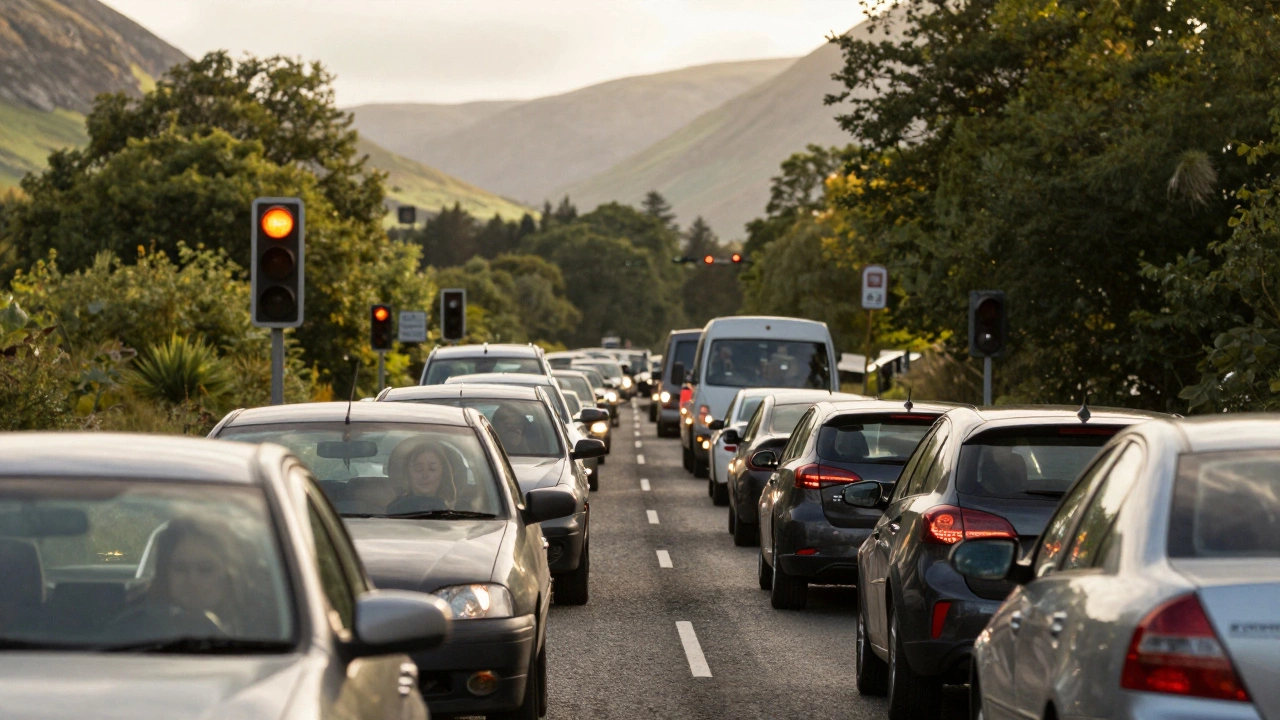
Lake District National ParkA UNESCO World Heritage Site in northwest England, known for its lakes, mountains, and cultural heritage. saw 18 million visitors in 2025, with 60% from UK staycations. The A591 road, a main artery through the park, now averages 15 mph during peak summer months. Locals report traffic jams lasting hours, making daily commutes impossible. In 2024, Cumbria Police reported 450 incidents of road rage linked to tourist vehicles. It's not just the Lake District-CornwallA county in southwest England known for its beaches, coastal scenery, and tourism industry.'s coastal roads see similar issues. A recent survey found 72% of residents in St Ives feel their town is too crowded during summer. Parking spaces are scarce, and local shops struggle to serve residents amid the tourist influx.
Environmental Damage: Nature Takes the Hit
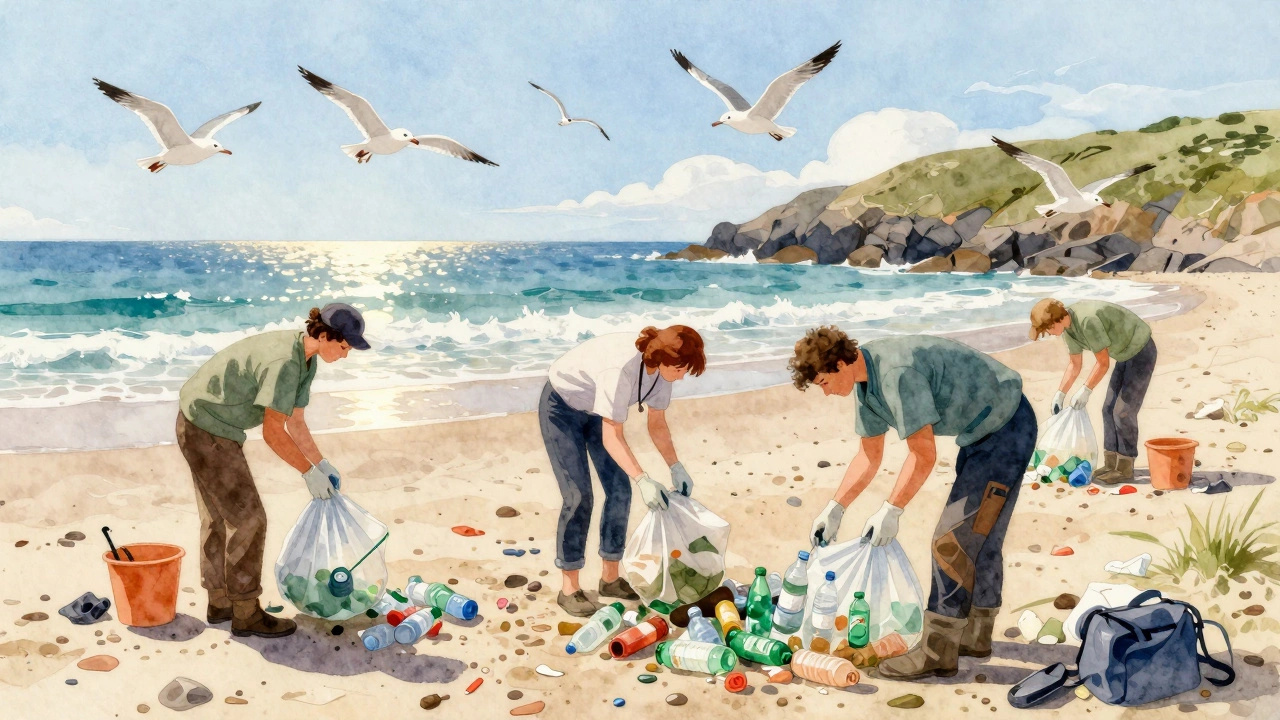
Domestic tourists contribute heavily to environmental strain. Cornwall's beaches saw a 30% spike in plastic waste in 2024, with the National TrustA UK charity that protects historic places and natural landscapes. collecting 200,000 bottles during beach clean-ups. The Peak District's footpaths are eroding at 5 cm per year due to heavy foot traffic. Even the National Trust admits that "well-intentioned visitors" are causing irreversible damage. In the Cotswolds, 12% of ancient hedgerows have been destroyed by off-road driving from tourists. These impacts aren't just about litter-they're about ecosystems collapsing under the weight of too many people.
Rising Costs: Locals Pay the Price
When tourism booms, housing becomes unaffordable for locals. BathA historic city in southwest England, famous for its Roman-built baths and Georgian architecture. house prices jumped 25% since 2020, with 40% of new builds converted to short-term rentals. A 2025 study by the University of Bristol found that in towns with high tourism, rent increases were 3x higher than the national average. In Stratford-upon-Avon, a town famous for Shakespeare, 20% of local businesses closed in 2023 as landlords raised rents to cater to tourists. "I've lived here 30 years, but I can't afford to stay," said one resident. "The town feels like a theme park now."
Cultural Erosion: Losing What Makes Places Special
Traditional culture is getting squeezed out. York's historic pubs have seen 30% of regulars leave as rents rise for tourist-focused venues. In the Peak District, local festivals now charge £15 entry fees-up from £5 in 2020-to cover "visitor management costs." Even the National Trust reports that 15% of its historic sites have shifted focus from education to entertainment. "We used to have workshops on traditional crafts," said a curator in Derbyshire. "Now it's mostly photo ops for Instagram." This isn't just about money-it's about losing the soul of these places.
How to Travel Responsibly: Solutions for Staycations
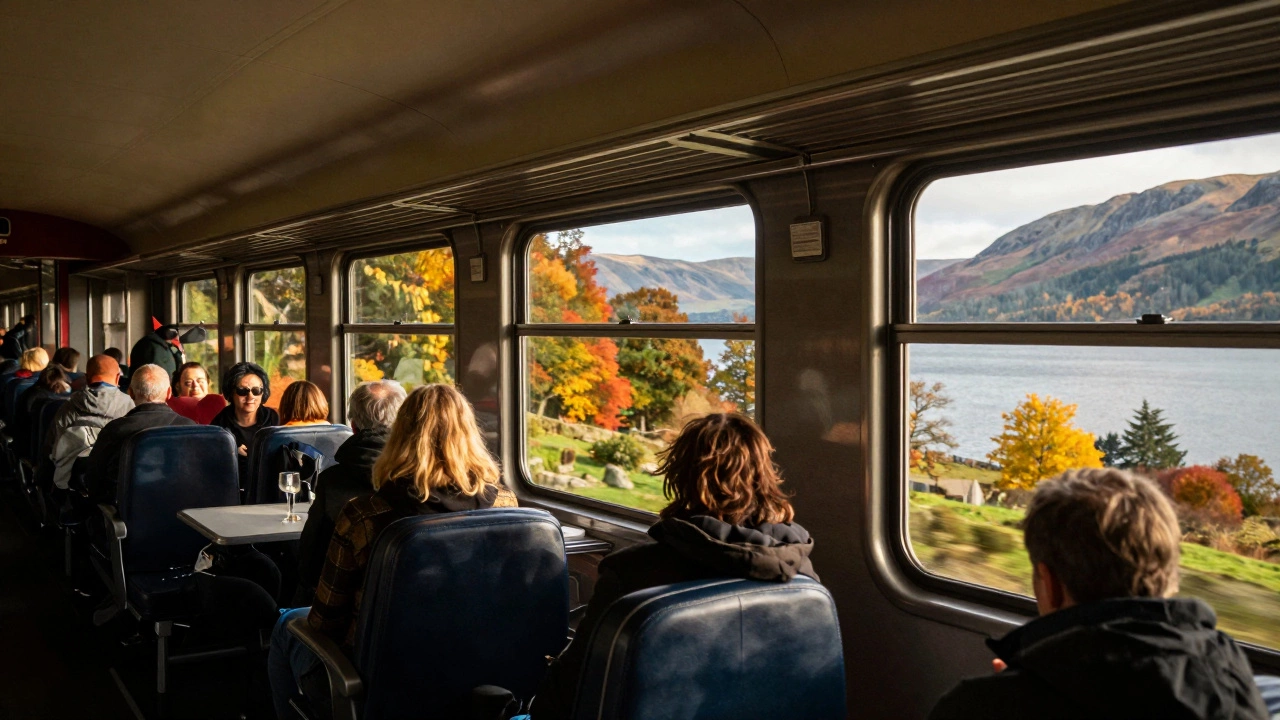
Thankfully, there are ways to enjoy the UK without harming it. First, travel off-peak: visiting the Lake District in October instead of July cuts crowds by 60%. Second, choose locally-owned accommodations-like family-run B&Bs instead of chain hotels. Third, support community-led tourism: in Cornwall, the "Local Heroes" initiative connects visitors with small businesses run by residents. Fourth, stick to designated paths to protect fragile ecosystems. Finally, use public transport: trains from London to the Lake District have 40% lower carbon footprintThe total greenhouse gas emissions caused by an individual, event, or product. than driving. These small choices add up. In 2025, towns that promoted responsible tourism saw a 20% drop in resident complaints.
Do staycations cause more harm than international tourism?
Yes and no. International tourists often visit fewer places but stay longer, while UK residents on staycations tend to cluster in specific hotspots during peak seasons. For example, in Cornwall, 60% of summer visitors are domestic, overwhelming local infrastructure. However, international tourists contribute more to carbon emissions per trip. The key is that both types of tourism need responsible management to reduce negative impacts.
How does overtourism affect local residents?
Overtourism makes daily life harder for locals. In Bath, rising rents force long-time residents out of their homes. In St Ives, Cornwall, traffic jams delay emergency services. Residents also face higher costs for essentials like groceries and fuel as businesses raise prices for tourists. A 2025 survey showed 68% of UK residents in tourist hotspots feel their quality of life has declined due to tourism.
Are there government policies addressing tourism impacts?
Yes, but efforts are mixed. The UK government introduced a "Visitor Management Strategy" in 2024, focusing on crowd control in hotspots like the Lake District. Some local councils, like in Bath, now charge a £5 tourism levy per night for short-term rentals. However, critics say policies are too slow. The National Trust has also launched "Responsible Tourism" guidelines, but enforcement remains inconsistent across regions.
Can tourism ever be sustainable in the UK?
Absolutely, but it requires systemic change. Sustainable tourism means balancing visitor numbers with local capacity. Examples include Scotland's "Leave No Trace" campaign and Cornwall's "Responsible Tourism Charter". These initiatives promote off-peak travel, support local businesses, and protect natural heritage. With coordinated efforts from governments, businesses, and travelers, the UK can enjoy tourism without sacrificing its communities or environment.
What can I do as a traveler to reduce negative impacts?
Start small. Choose less crowded destinations like the North York Moors instead of the Lake District. Travel by train or bus to cut carbon emissions. Stay in locally-owned accommodations and eat at independent restaurants. Respect local rules-stick to marked paths, carry reusable water bottles, and avoid single-use plastics. Even simple actions like visiting during weekdays instead of weekends make a difference. Your choices directly shape the future of tourism in the UK.