2026 Budget Beach Vacation Calculator
You don't need a trust fund to enjoy saltwater and sand. In fact, some of the most stunning coastlines in the United States are practically free to visit. The problem isn't that beaches are expensive; it's that we often confuse "beach access" with "resort living." If you strip away the all-inclusive markup and look at raw geography, the answer to "what is the cheapest beach vacation in the United States?" becomes much clearer.
For 2026, the title for the absolute lowest-cost option goes to the Gulf Coast of Florida, specifically areas like Clearwater or St. Petersburg, followed closely by the Outer Banks in North Carolina if you're willing to trade warm water for rugged beauty. However, the real secret lies in timing and transportation. A beach trip can range from $500 per person to $3,000 depending entirely on when you book and how you sleep. Here is exactly where to go and how to keep your wallet intact.
The Undisputed Champion: Florida’s Gulf Coast
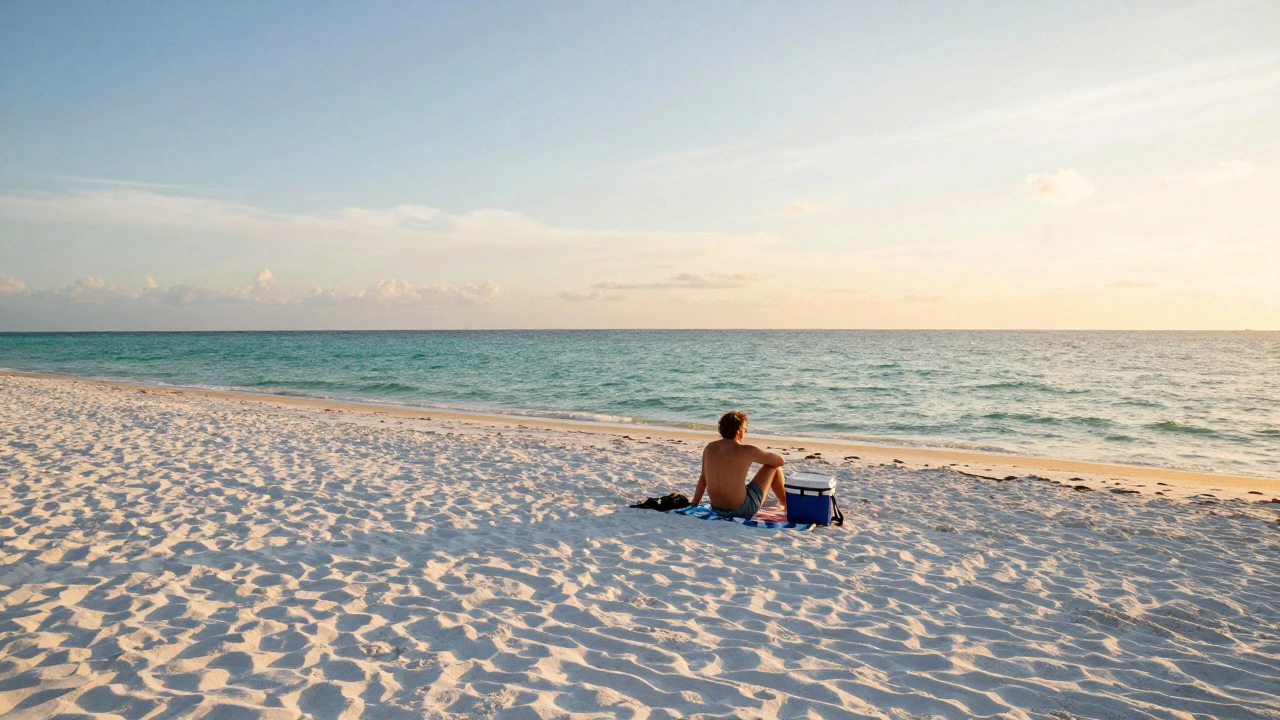
If you want white sand, turquoise water, and the lowest possible price tag, Clearwater Beach is a stretch of coastline in Pinellas County, Florida, known for its affordability compared to Miami or Key West. Unlike the glitz of South Beach, Clearwater offers a more relaxed vibe with plenty of budget-friendly hostels, motels, and Airbnb options just blocks from the shore.
Why is it so cheap? Supply and demand. Florida gets millions of visitors year-round, which keeps competition among local businesses fierce. You can find guesthouses starting at $80-$120 per night in the shoulder seasons (May or September). Plus, the food scene here relies heavily on fresh, local seafood, which means you can eat well without paying resort prices. Grab a fish sandwich from a local stand for $10 instead of dining at a waterfront restaurant for $40.
- Best Time to Go: May or late September. Avoid July and August due to heat and hurricane risks.
- Estimated Cost: $600-$900 per person for 4 days, including flights from major hubs.
- Pro Tip: Stay in downtown St. Petersburg instead of directly on Clearwater Beach. It’s a 15-minute bus ride away and saves you about 30% on accommodation.
The Hidden Gem: Oregon’s Pacific Coast
Wait, didn’t I say warm water? Yes, but if you’re traveling from the West Coast, flying to Florida defeats the purpose of saving money. For residents of California, Washington, or Nevada, the cheapest beach vacation is often a road trip down the Oregon Coast, specifically towns like Cannon Beach or Newport.
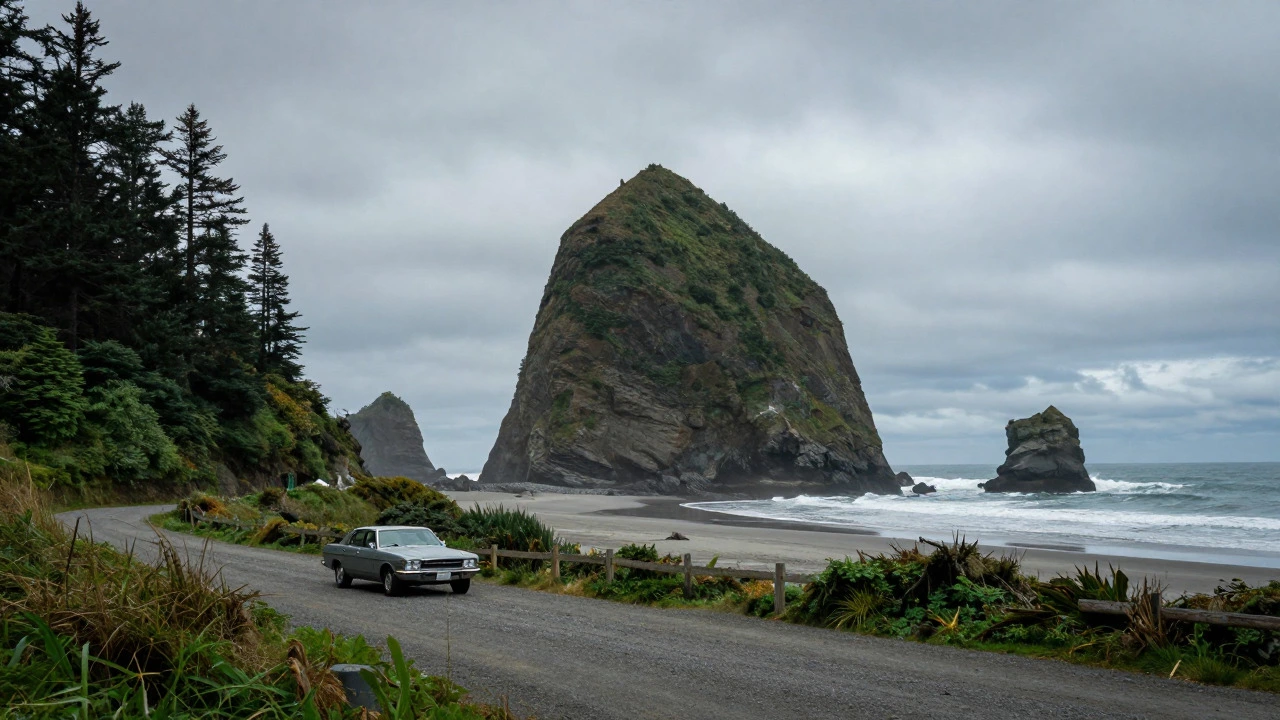
Oregon’s beaches are public land. There are no private gates, no cover charges, and no luxury condos blocking the view. You can park your car and walk onto miles of dramatic, rocky shoreline for free. The trade-off is the weather-it will be cool, maybe even rainy-but the scenery is world-class. Think towering sea stacks and lush forests meeting the ocean.
Accommodation here is surprisingly affordable if you avoid the peak summer weekends. Many historic motels along Highway 101 charge under $100 a night in the off-season. Since you’re driving, you control your food budget completely. Pack cooler bags with local produce and cook on beach grills where permitted.
| Destination | Avg. Hotel/Night | Flight Cost (Domestic Avg.) | Food Budget/Day | Total Est. (4 Days) |
|---|---|---|---|---|
| Clearwater, FL | $110 | $250 | $50 | $790 |
| Cannon Beach, OR | $95 | $0 (Drive) | $40 | $430 + Gas |
| Outer Banks, NC | $130 | $300 | $60 | $920 |
| Gulf Shores, AL | $100 | $280 | $55 | $810 |
The Northeast Alternative: The Outer Banks
If you live in the Mid-Atlantic or Northeast, flying to Florida is a budget killer. Instead, head to the Outer Banks, a chain of barrier islands off the coast of North Carolina. This area is famous for its wide-open beaches, wild horses, and historical lighthouses.
The key to keeping costs low in the Outer Banks is renting a condo rather than staying in a hotel. Many families own large properties there and rent out rooms during the off-season. You can often find a room in a shared house for $60-$80 a night in April or October. These months offer mild weather perfect for walking and biking, without the suffocating humidity of July.
Another money-saver? The ferries. The Wright Memorial Bridge tolls add up if you’re driving back and forth, but the ferries are free. They also provide a scenic break from driving. Combine this with free activities like hiking at Jockey’s Ridge State Park (the tallest sand dune system on the East Coast) and you have a full itinerary that barely touches your credit card.
Southern Comfort: Gulf Shores, Alabama
Often overlooked for Florida or Texas, Gulf Shores and Orange Beach in Alabama offer some of the best value-for-money beach experiences in the country. The water is calm and warm, ideal for swimmers, and the infrastructure is designed for tourists without the pretension of high-end resorts.
Alabama has no state income tax, which sometimes translates to lower overall service costs. You’ll find plenty of casual eateries serving Southern comfort food-fried shrimp, grits, and barbecue-at very reasonable prices. A family meal for four might cost $60 total, whereas in California or New York, that same meal could hit $150.
Accommodations here lean heavily toward vacation rentals. By booking a whole home, you can split costs with friends or family. Even solo travelers can find budget motels near the highway that are a short shuttle ride from the beach. The lack of direct beachfront hotels actually drives down the average nightly rate significantly.

How to Slash Costs: The Real Secrets
Finding the destination is only half the battle. How you book determines whether your trip is truly cheap or just moderately less expensive. Here are the non-negotiable rules for budget beach travel in 2026.
- Travel in the Shoulder Season: June and September are your best friends. The weather is still warm enough to swim, but the crowds have thinned. Hotels drop their rates by 20-40% compared to July and August.
- Eat Like a Local: Avoid restaurants within two blocks of the water. Walk ten minutes inland. You’ll find better food for half the price. Supermarkets are your friend for breakfast and snacks.
- Skip the Resort Fees: Many "cheap" hotels add hidden resort fees ranging from $20 to $50 per night. Always check the final price before booking. Look for motels or independent B&Bs that don’t have these surcharges.
- Use Public Transit or Walk: Renting a car adds insurance, gas, and parking fees. If you choose a walkable town like Clearwater or Cannon Beach, leave the car at home. Use buses or bikes instead.
- Book Flights on Tuesdays: Data consistently shows that airline fares are lowest when booked on Tuesday afternoons. Set alerts on apps like Google Flights or Hopper to catch price drops.
Common Pitfalls to Avoid
Even experienced travelers make mistakes that blow their budget. One common error is assuming "all-inclusive" means cheaper. In the US, true all-inclusive beach resorts are rare and usually located in Hawaii or Puerto Rico, where costs are inherently higher. For mainland US trips, à la carte pricing is almost always cheaper if you’re disciplined with spending.
Another trap is parking. In popular spots like Santa Monica or Myrtle Beach, parking can cost $20-$40 per day. That adds up fast. Always choose accommodations that include free parking or are close enough to walk. If you’re driving, look for municipal lots that cap daily rates rather than hourly ones.
Finally, don’t underestimate the cost of activities. Jet skiing, parasailing, and guided tours are fun but expensive. Stick to free activities: swimming, sunbathing, hiking, and exploring local parks. The ocean itself is the main attraction-you don’t need to pay extra to enjoy it.
What is the absolute cheapest month to visit a US beach?
January and February are typically the cheapest months, but the water will be cold and many amenities may be closed. For the best balance of low cost and good weather, aim for May or September. These "shoulder season" months offer warm enough temperatures for swimming while avoiding peak summer prices.
Can I find a beach vacation in the US for under $500?
Yes, but it requires careful planning. If you live near a coastline, a weekend road trip to places like the Oregon Coast or North Carolina’s Outer Banks can cost under $500 for one person, including gas and lodging. For those needing to fly, it’s nearly impossible to stay under $500 unless you find an extreme flight deal and stay in a hostel or camp.
Are there any free beaches in California?
All beaches in California are public up to the mean high tide line. However, accessing them can be costly due to parking fees. Towns like Venice Beach or Santa Monica charge significant daily parking rates. To save money, look for beaches with free street parking further from the center, such as parts of El Porto or Hermosa Beach, or use public transit to reach the coast.
Is it cheaper to drive or fly to a beach destination?
It depends on your distance and group size. If you’re traveling alone, flying is often cheaper once you factor in gas, wear-and-tear, and time. If you’re traveling with 3+ people, driving is usually more economical because you split fuel costs and avoid multiple airfares. Always calculate the total cost of ownership for the drive versus the sum of individual tickets.
What are the best budget-friendly beach towns for families?
Gulf Shores, Alabama, and Myrtle Beach, South Carolina, are top choices for families. Both offer extensive rental markets where you can get entire houses with kitchens, allowing you to prepare meals and save on dining. They also have numerous free public parks and gentle waters suitable for children, reducing the need for paid entertainment.