Cultural Travel Style Finder
Your personalized travel profile will appear here.
You’ve seen the photos. You know the name of the city. But have you ever felt the rhythm of a place? Most travelers treat culture like a museum exhibit-something behind glass to be looked at but not touched. That changes when you understand the five distinct types of cultural tourism. These aren't just fancy labels for travel agents; they are frameworks that help you design trips that actually stick with you long after you've unpacked.
Whether you are chasing ancient ruins, hunting down the perfect street food, or trying to learn a local craft, your motivation defines your experience. Let’s break down these five pillars so you can stop sightseeing and start connecting.
1. Heritage Tourism: Walking Through History
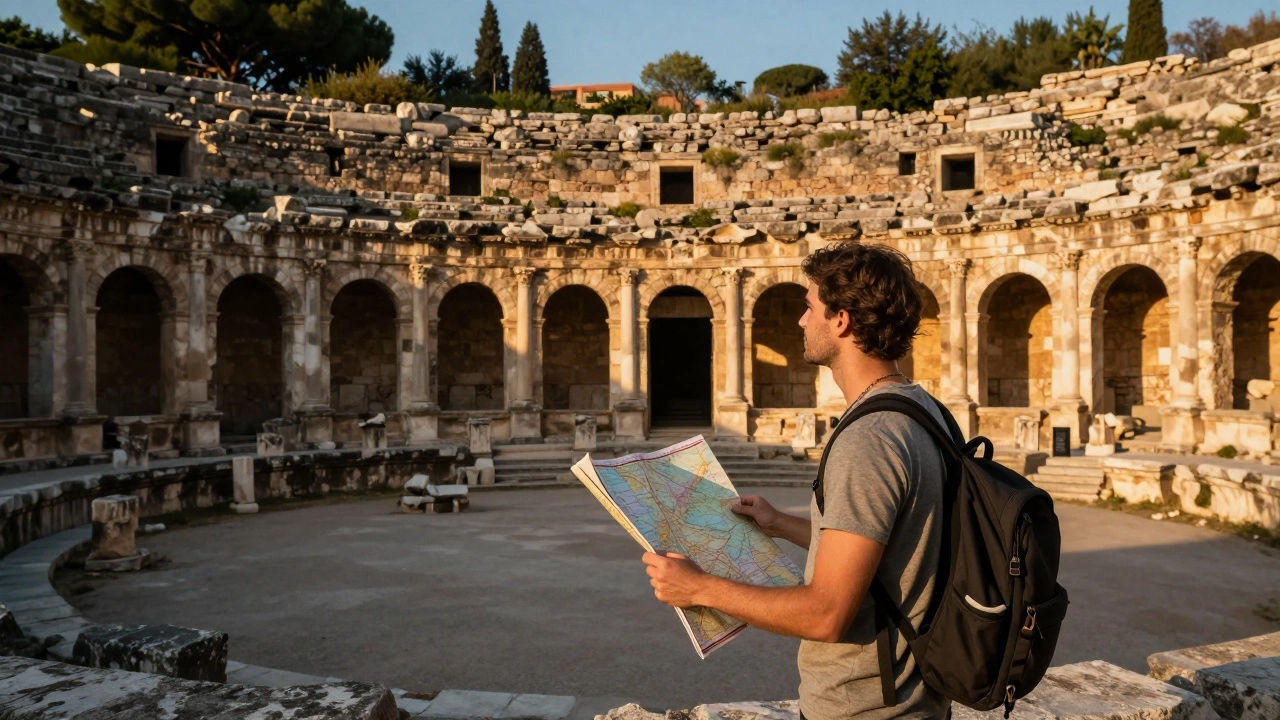
This is the most recognizable form of cultural travel. It’s what happens when you book a flight to Rome to see the Colosseum or visit Kyoto to walk through bamboo groves. But here is the catch: heritage tourism often becomes passive. You stand in line, take a selfie, and move on. To make it meaningful, you need to shift from observing history to understanding its impact on the present.
Think about the difference between visiting a castle and attending a reenactment where actors explain the daily life of servants versus kings. The latter gives you context. When planning this type of trip, look for sites that offer interpretive layers. For example, instead of just touring the Great Wall of China, join a small group hike that discusses the Ming Dynasty’s defensive strategies. This turns a concrete structure into a narrative about survival, engineering, and empire.
- Key Focus: Historical sites, monuments, museums, and archaeological digs.
- Best For: History buffs, students, and those who love storytelling.
- Pitfall to Avoid: "Museum fatigue." Don’t try to see everything in one day. Pick two major sites and dive deep.
2. Arts & Entertainment Tourism: Immersing in Creativity
If heritage looks backward, arts tourism looks at the now. This category covers everything from Broadway shows in New York to traditional Noh theater in Japan. It includes visual arts (galleries, street murals), performing arts (music, dance, drama), and even literary festivals. The goal here is emotional resonance. You aren’t just watching a performance; you are witnessing how a community expresses its identity through creativity.
Consider the case of Edinburgh during its Fringe Festival. The entire city transforms. Hotels become venues, parks host impromptu comedy sets, and strangers bond over shared laughter. This is arts tourism at its peak intensity. On a smaller scale, it might mean taking a pottery class in景德镇 (Jingdezhen), China, known as the porcelain capital of the world. You aren’t just buying a vase; you are learning the tactile skill that has defined the region for centuries.
To maximize this experience, avoid tourist-trap performances designed solely for foreigners. Seek out local recommendations. Ask a hotel concierge where *they* go to watch live music, not where the tourists go. In cities like Lisbon, finding a Fado house tucked away in Alfama offers a raw, emotional connection to Portuguese soul music that large-scale shows simply cannot replicate.
3. Culinary Tourism: Eating Your Way Through Culture
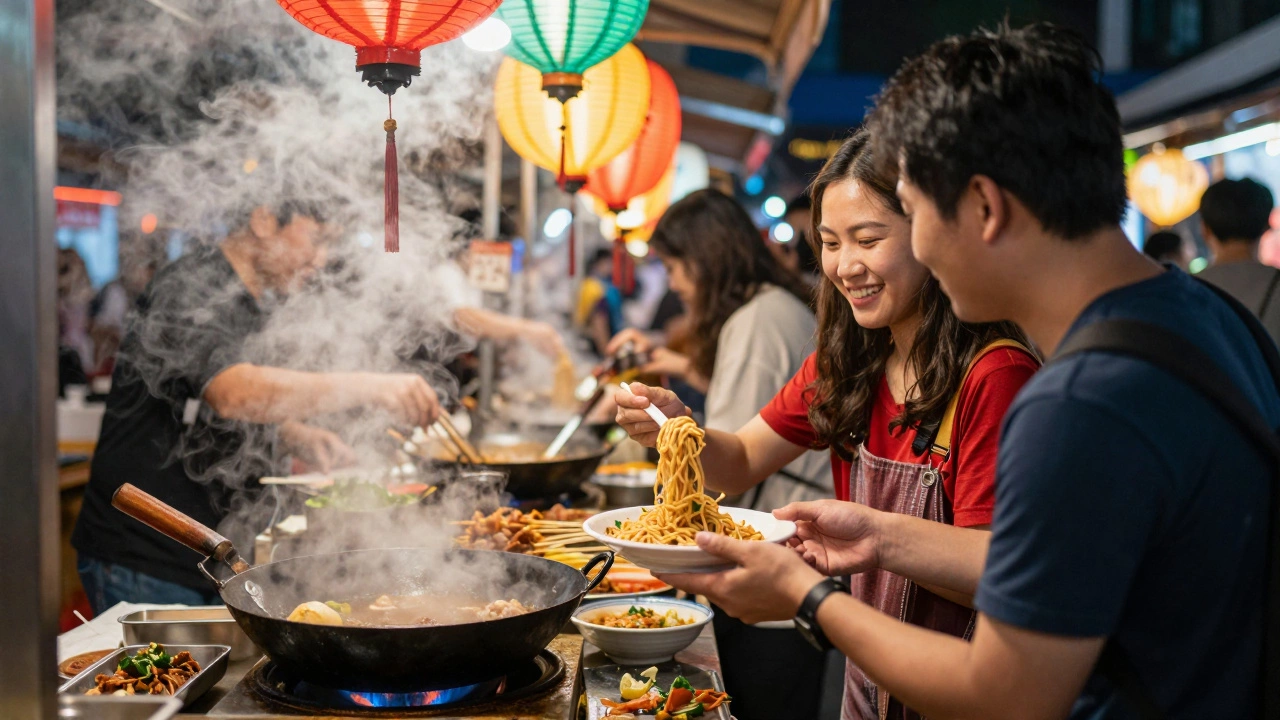
Food is the fastest way to understand a culture. It reveals geography, religion, trade history, and social values. Culinary tourism goes beyond eating at a nice restaurant. It involves engaging with the entire food ecosystem. This means visiting morning markets in Bangkok to see how vendors prepare fresh ingredients, taking a wine tasting tour in Tuscany to understand terroir, or joining a street food walking tour in Mexico City to learn the significance of mole sauce.
The key to successful culinary travel is curiosity mixed with respect. Do not demand modifications to dishes because they don’t suit your palate. If you are in India, eat with your hands if that is the custom. If you are in Korea, learn how to use chopsticks properly before criticizing the meal. Engage with the cooks. Ask them why they use specific spices. What does this dish mean for holidays?
A great example is Oaxaca, Mexico. Here, culinary tourism isn’t just about eating tacos. It’s about visiting chocolate makers who grind cacao stones by hand, learning about the indigenous Zapotec influences on local cuisine, and understanding how climate change affects coffee production. This depth turns a meal into an educational journey.
4. Ethnographic Tourism: Living Like a Local
This is the deepest, and sometimes most controversial, form of cultural tourism. Ethnographic tourism involves staying within a community to observe and participate in their daily lives. It often focuses on indigenous groups or rural villages. The ethical line here is thin. Done poorly, it feels like human zoos. Done well, it fosters mutual respect and economic support for marginalized communities.
Successful ethnographic travel requires humility. You are a guest, not a researcher or a savior. Look for community-based tourism initiatives. For instance, in Nepal, trekking to remote Gurung villages allows travelers to stay in homestays, share meals, and listen to elders speak about their traditions. The money stays in the village, funding schools and infrastructure.
Before booking such trips, research the organization. Are they owned by locals? Do they set boundaries on photography? Do they educate visitors on cultural sensitivities? In Australia, visiting Aboriginal lands should always be guided by Indigenous rangers who control the narrative. This ensures that the culture is presented on its own terms, preserving dignity while sharing knowledge.
5. Religious & Spiritual Tourism: Seeking Meaning
Religion shapes landscapes, calendars, and social norms worldwide. Religious tourism involves visiting sacred sites, participating in rituals, or seeking spiritual growth. This doesn’t require you to share the faith. Many travelers visit Buddhist temples in Thailand not to convert, but to meditate and find peace. Others walk the Camino de Santiago in Spain for personal reflection rather than religious devotion.
Respect is paramount here. Sacred spaces are not photo ops. Dress codes matter. Silence matters. In Mecca, only Muslims can enter, but millions visit Istanbul to see the Hagia Sophia, respecting its dual history as church and mosque. Understanding the symbolism behind architecture and rituals enriches the experience. Why are shoes removed? Why do people light candles? These actions carry weight.
Spiritual tourism also includes wellness retreats rooted in tradition, such as Ayurveda in India or yoga in Rishikesh. These practices offer physical benefits but are deeply tied to cultural philosophies about balance and health. Approaching them with an open mind allows for genuine transformation rather than just a vacation from stress.

Comparing the Five Types
| Type | Primary Focus | Typical Activities | Best For |
|---|---|---|---|
| Heritage | History & Past | Museums, Ruins, Guided Tours | History Lovers |
| Arts | Creativity & Expression | Concerts, Galleries, Workshops | Creative Souls |
| Culinary | Food & Drink | Markets, Cooking Classes, Dining | Foodies |
| Ethnographic | Daily Life & Community | Homestays, Village Visits | Empathetic Travelers |
| Religious | Faith & Spirituality | Temples, Pilgrimages, Meditation | Seekers of Meaning |
How to Plan Your Trip
Most memorable trips blend these types. A week in Italy might include heritage (Colosseum), culinary (pizza making), and arts (opera). Start by identifying your primary interest. Are you hungry for history or flavor? Then layer in secondary elements. If you choose ethnographic travel, prioritize ethics over convenience. Spend more time in fewer places. Talk to people. Listen more than you speak.
Research local customs beforehand. Learn basic phrases in the local language. This small effort opens doors that money cannot buy. Finally, leave room for spontaneity. The best cultural moments often happen when you get lost, ask for directions, and end up sharing tea with a stranger. That is the true essence of cultural tourism.
What is the difference between cultural tourism and ecotourism?
Ecotourism focuses on nature conservation and wildlife, while cultural tourism centers on human history, arts, and traditions. However, they often overlap. For example, visiting an indigenous community in the Amazon involves both cultural interaction (ethnographic) and environmental appreciation (ecotourism).
Is cultural tourism expensive?
Not necessarily. While guided heritage tours can cost money, many cultural experiences are free or low-cost. Street food, public art, local festivals, and walking around historic neighborhoods are affordable ways to engage with culture. Luxury options exist, but authenticity doesn't require a high price tag.
How can I ensure my cultural tourism is ethical?
Choose locally-owned businesses, respect dress codes and privacy, ask permission before photographing people, and support community-based projects. Avoid attractions that exploit animals or degrade sacred sites. Always prioritize the well-being of the host community over your Instagram feed.
Which type of cultural tourism is best for families?
Culinary and arts tourism are often great for families. Kids enjoy interactive cooking classes, ice cream tastings, and colorful street art. Heritage sites with good playgrounds or interactive exhibits also work well. Keep days short and mix education with fun to keep everyone engaged.
Can I combine multiple types of cultural tourism in one trip?
Absolutely. In fact, it’s recommended. A trip to Japan could include shrine visits (religious), sushi making (culinary), bullet train history (heritage), and anime conventions (arts). Blending types creates a richer, more balanced experience that appeals to different interests within a group.