Caribbean Islands to Skip: Which Ones Aren’t Worth Visiting?
Discover which Caribbean islands often disappoint travelers and why, plus smarter alternatives for a true beach getaway.
When planning a trip, many wonder whether they should avoid Caribbean islands. avoid Caribbean islands, a travel strategy focused on steering clear of Caribbean destinations with higher safety, health, or weather concerns. Also known as Caribbean travel avoidance, it helps travelers reduce risk while still enjoying great holidays. This mindset often ties directly into Caribbean safety, the overall assessment of crime rates, natural hazards, and health regulations across the region, especially when comparing places like the Bahamas, an island nation known for a strong tourist police presence and relatively low crime versus the Haiti, often cited as the least safe Caribbean island due to higher crime rates and limited emergency services. Understanding these factors lets you decide where a short getaway makes sense and where it’s wiser to steer clear.
First off, safety metrics matter. Crime data, police visibility, and local enforcement policies shape the risk profile of each island. The Bahamas, for example, boasts a dedicated tourist police force that patrols popular beaches and resorts, lowering the chance of petty theft. In contrast, Haiti’s law‑enforcement infrastructure struggles with resource constraints, leading to higher violent‑crime reports in several regions. Health rules also play a part – some islands enforce strict vaccination requirements or have limited medical facilities, which can turn a minor illness into a serious problem for travelers.
Natural hazards are another huge consideration. The Caribbean sits in the Atlantic hurricane belt, and peak season runs from June to November. Islands with robust hurricane‑preparedness plans, like the Bahamas, issue clear evacuation routes and provide well‑maintained shelters. Others may lack comprehensive warning systems, leaving visitors exposed to sudden storms, flooding, or landslides. Timing your trip outside the storm window can reduce exposure, but knowing each island’s historical hurricane frequency helps you prioritize safety over scenery.
Health regulations have shifted dramatically in recent years. Some destinations still require yellow‑fever shots, malaria prophylaxis, or proof of COVID‑19 vaccination. Medical infrastructure varies widely: places with modern hospitals and English‑speaking staff make emergencies easier to manage, while isolated islands may only have basic clinics. Researching local health advisories before you book can prevent unwanted trips to the doctor—or the need for costly evacuation.
Budget also nudges the decision. Cheaper flights and accommodation can be tempting, but they sometimes correlate with lower safety standards. For instance, the cheapest Caribbean city‑breaks may be located in areas with higher crime or fewer tourist‑focused services. Weighing the price against the potential added cost of insurance, medical care, or a sudden itinerary change is essential. Often, spending a bit more on a well‑reviewed resort in a safer island saves headaches later.
To make a clear call, use a simple checklist: verify crime statistics, confirm police presence, assess hurricane preparedness, review health requirements, and compare the cost of safety measures versus the base price. Ask yourself whether the allure of crystal‑clear waters outweighs the risk of a disruptive event. If the answer leans toward caution, the “avoid Caribbean islands” approach guides you to safer alternatives – whether that’s a European coastal town, a Mediterranean island, or a mainland adventure.
Below you’ll find a curated selection of articles that dive deeper into each of these topics, from detailed safety comparisons between the Bahamas and the broader Caribbean to budget‑friendly travel hacks and the latest health advisories. Use them as a toolbox to decide if a Caribbean escape fits your risk tolerance, or if it’s smarter to explore other horizons.
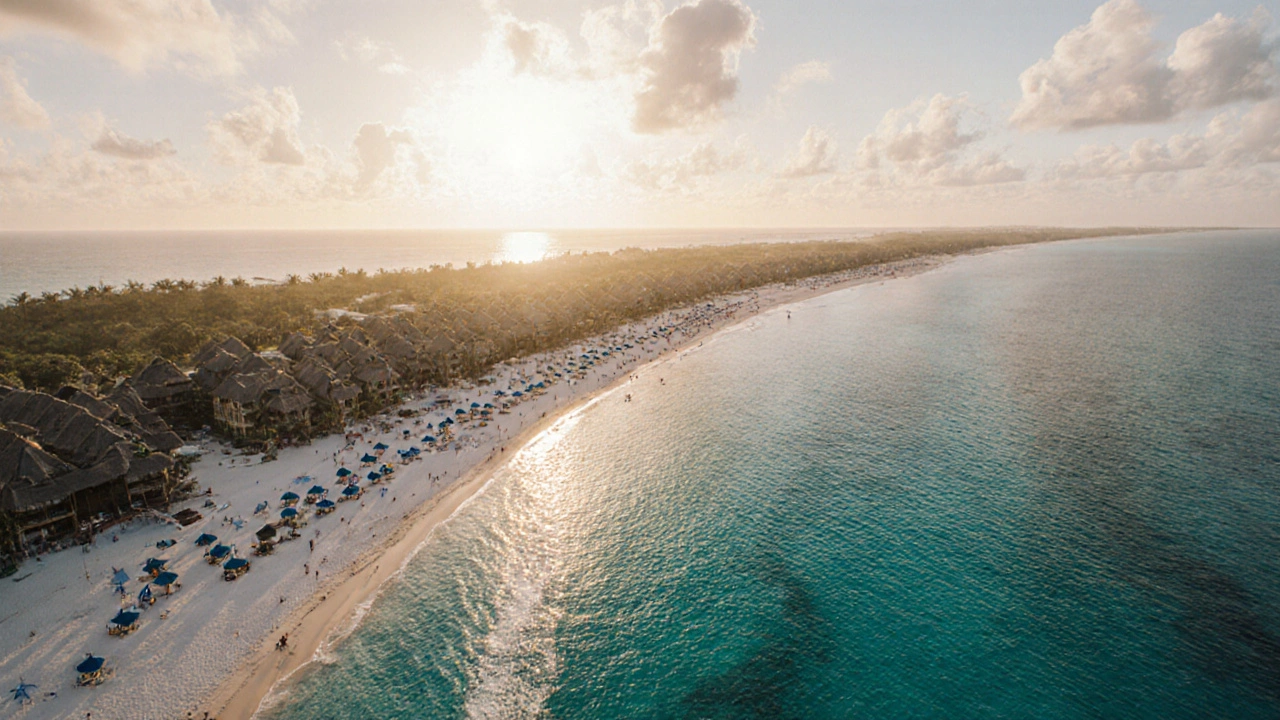
Discover which Caribbean islands often disappoint travelers and why, plus smarter alternatives for a true beach getaway.