
UK Staycation Length Calculator
Use this tool to find the "sweet spot" for your domestic holiday duration.
Ideal Duration:
Why?
Pro-Tip:
Planning a holiday often starts with one nagging question lingering over your booking app: Is two weeks too much? Will three days feel rushed? There is no magic number that fits every traveler perfectly, but there is a sweet spot depending entirely on where you decide to go. For a typical UK staycation, most visitors find that balancing activity with rest happens best within a predictable timeframe.
Too often, we pack every hour into a calendar, turning relaxation into a checklist exercise. Conversely, spending too little time means you spend more money on transport than enjoying the scenery. Getting the length right changes everything about your experience quality.
Why Trip Length Matters More Than Destination
You might think picking a pretty location is the hard part, but setting the dates actually dictates the success of your trip. When you underestimate travel time, even a five-hour drive to the Highlands feels exhausting. Overestimating it leads to boredom and unnecessary hotel costs.
A common mistake is assuming that because the United Kingdom is smaller than some European countries, you can zip around effortlessly. Geography here varies wildly. Driving from Land's End to John o' Groats takes almost two full days just for the journey. That distance alone changes whether you need a long-haul strategy or a quick getaway.
A UK Staycation refers to a domestic holiday taken by a resident of the United Kingdom, avoiding international flights and border crossings.To understand what works, you have to look at the relationship between travel time and dwell time. If you fly into an airport, you lose half a day immediately. If you drive, you lose fuel and patience. Every hour spent moving is an hour not spent eating, walking, or sleeping.
Recommended Durations by Region Type
Different parts of the country require different amounts of time to appreciate properly. Trying to cram a Scottish island visit into a short city weekend break rarely ends well. Here is how to map your time based on where you choose to explore.
| Destination Type | Ideal Minimum | Ideal Maximum | Travel Logic |
|---|---|---|---|
| Major Cities | 3 Days | 5 Days | Cover major sites without burnout |
| National Parks | 4 Days | 7 Days | Hiking requires slower pacing |
| Coastal Regions | 3 Days | 6 Days | Mix of beach and town time |
| Full Country Tour | 14 Days | 21 Days | Needs multiple base locations |
The Three-Day City Escape Formula
If you are limited to a bank holiday weekend or taking annual leave, aim for exactly three nights. This gives you Day One arrival, Day Two full exploration, and Day Three morning departure before traffic spikes. London is the prime candidate here.
Even the capital is massive. In three days, you can hit the museums on the South Bank, walk through Hyde Park, and grab dinner in Covent Garden. Try to skip trying to see Buckingham Palace and then climb St Paul's Cathedral and also do a West End show. Pick two zones and stick close to them. Moving hotels every night destroys the rhythm of a short trip.
Taking the train to cities like Manchester, Bristol, or Edinburgh works well for this duration too. A high-speed rail connection puts you at the doorsteps quickly. Just remember that returning late at night on Saturday might cut your Sunday buffer time significantly.
Slow Travel: The Seven-Day Regional Base
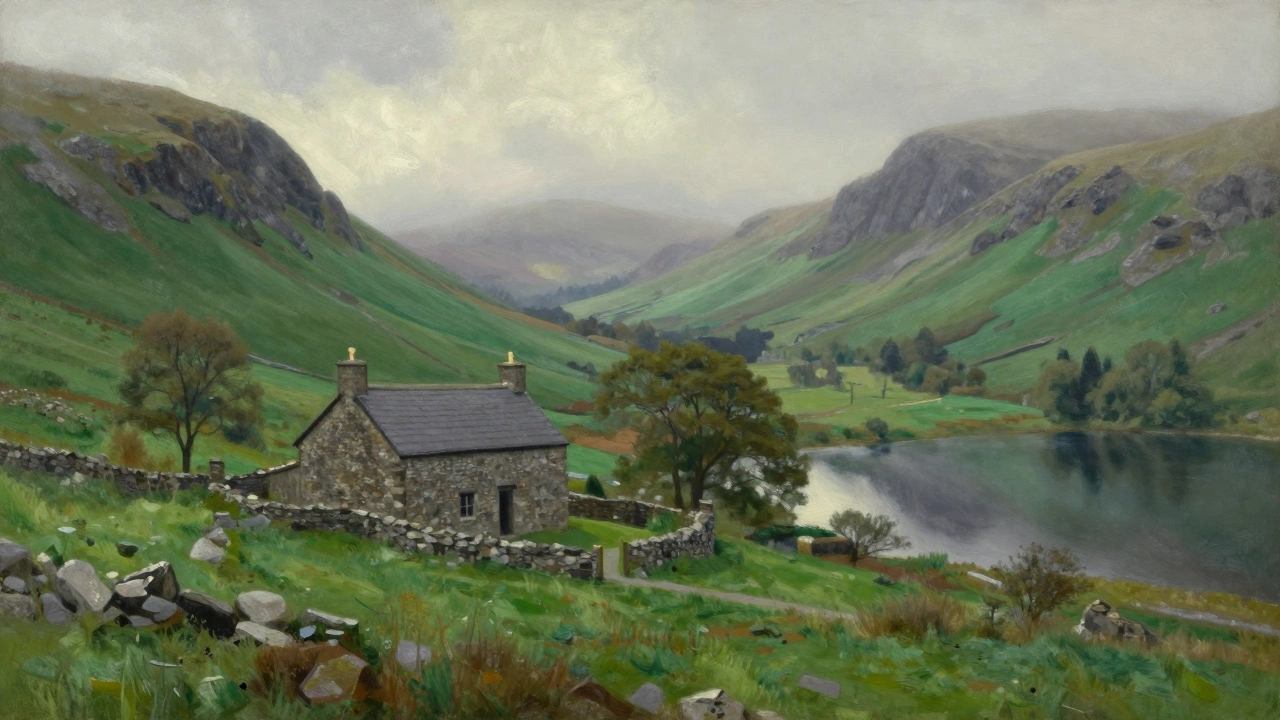
For deeper immersion, the "hub and spoke" method works best. Instead of moving bags daily, pick one central location for the week. The Lake District exemplifies this approach perfectly.
Set up camp or rent a cottage in Keswick or Windermere. From there, you can take short drives or local bus rides to Wast Water, Ambleside, or Ullswater. Each excursion takes a few hours, allowing you to return for evening relaxation. This reduces packing stress and lets you meet new people at the same pub three nights in a row.
Similarly, the Jurassic Coast or the Cotswolds benefit immensely from this approach. You gain the flexibility to stay longer at a view that calls to you without panicking about driving to the next town. On average, adding an extra two days to a trip allows you to remove 40% of your driving time simply by not relocating.
Logistics: The Hidden Time Thief
We all forget the admin side of holidays. Booking a rental car online takes ten minutes, but collecting it takes forty. Checking into a hotel takes twenty. Buying groceries takes an hour.
Train Travel across the UK is efficient, but you must account for station delays and platform walking distances. Don't book a 9 AM train expecting to sit down and relax immediately. Add forty-five minutes to any train schedule for buffer time. If you are driving, check roadworks alerts on the Highways Agency site; traffic jams in peak summer months can turn a four-hour drive into a six-hour ordeal.
Budgets play a role here too. Extended trips mean higher nightly accommodation costs. Calculate the cost-per-day value. Sometimes paying slightly more for a direct flight saves enough time to enjoy an extra full day at the destination, balancing out the expense.
Seasonal Considerations for Timing
Timing affects duration requirements. Winter daylight is scarce in northern Britain. If you visit the Highlands in December, you might get eight hours of light. You need fewer days outdoors but more indoor activities planned.
Summer offers long days but crowded attractions. In July, popular spots like Stonehenge or Edinburgh Castle require early mornings due to queues. If you visit in May or September, a single day at these sites might take half the time, giving you more freedom to explore further afield without extending your booking.
Consider the "shoulder season" strategy. Visiting between June and July, or September and October, often provides better prices and lighter crowds. Your 5-day trip in August might feel rushed due to congestion, whereas that same trip in late April flows much more smoothly.
Suggested Schedules for Different Needs
Below are three proven itineraries to help you visualize how the days fit together.
The Power Weekend (2 Nights)
- Friday: Leave work early, arrive by 6 PM, local dinner.
- Saturday: Full day sightseeing, lunch out, evening rest.
- Sunday: Morning activity, lunch, head back by 3 PM.
The Standard Week (7 Days)
- Day 1: Travel and settle in.
- Day 2: Primary attraction visit.
- Day 3: Secondary exploration.
- Day 4: Relaxed day, shopping or spa.
- Day 5: Nature walk or nearby village tour.
- Day 6: Free day to revisit favorites.
- Day 7: Pack and depart afternoon.
The Epic Road Trip (14 Days)
- Week 1: Cover the main highlights (e.g., England to Wales).
- Week 2: Go off-grid or slower areas (e.g., Northern Ireland).
Flexibility is key. Stick to your plan loosely. If the weather turns bad, swap hiking for a museum visit instead of canceling the whole day.
Is 3 days enough for London?
Yes, three days is sufficient for London if you stick to central zones. You can cover the major landmarks like the Tower of London, Westminster, and Hyde Park comfortably in 72 hours. Just avoid overbooking specific timed-entry tickets.
What is the best time of year for a UK staycation?
May to June and September to October offer the best balance of good weather and lower crowds. Summer school holidays mean expensive accommodation and busy transport.
Can I do a road trip in 5 days?
You can, but keep it regional. Driving south to north covers too much ground for 5 days. Stick to one region like the South West or The Lakes to avoid spending all your time in the car.
Do I need a car for a UK staycation?
It depends. Major cities and tourist hubs have excellent public transport. Rural areas like the Highlands or Dartmoor usually require a hire car to access hidden gems efficiently.
How far should I travel for a short break?
Keep travel under 3 hours each way for a short break. Anything beyond that begins to eat into your relaxation time significantly. Use trains for distances over 100 miles to rest during transit.