Florida Budget Travel Estimator
Trip Details
When you hear "Florida," images of pristine white sand, luxury yachts, and high-end resorts probably come to mind. But what if your travel budget is tight? What if you’re looking for the most affordable places to stay, eat, and explore without sacrificing the experience? Surprisingly, some of the lowest-income towns in Florida offer incredible value for travelers seeking authentic culture, hidden gems, and significant savings on accommodation and dining.
Understanding which areas have lower median incomes can help savvy travelers find cheaper flights, more affordable lodging, and local eateries that serve delicious food at a fraction of the cost found in tourist hotspots like Miami Beach or Orlando. This isn’t about judging communities; it’s about smart travel planning. By targeting these areas, you can stretch your holiday budget further while discovering parts of the Sunshine State that most visitors miss.
Understanding Economic Data in Florida
To identify the most budget-friendly destinations, we need to look at recent census data and economic reports from the U.S. Census Bureau. These statistics reveal median household incomes across various cities and counties. Generally, towns with lower median incomes correlate with lower costs of living, including cheaper real estate, which translates to more affordable short-term rentals and hotels.
It is important to note that "lowest income" does not mean "unsafe" or "unpleasant." Many of these towns are vibrant, historic communities with rich cultural heritages. They often lack the inflated prices associated with major tourist hubs. For example, while a night in South Beach might cost $300+, similar accommodations in smaller inland towns can be found for under $100.
| Town/City | Median Household Income | Avg. Nightly Hotel Rate | Primary Appeal |
|---|---|---|---|
| Lake Placid | $28,500 | $75 | Nature & Wildlife |
| Perry | $31,200 | $65 | Historic Downtown |
| Immokalee | $33,800 | $80 | Agriculture & Culture |
| Miami Beach (Control) | $55,000+ | $250+ | Nightlife & Luxury |
Lake Placid: The Nature Lover's Bargain
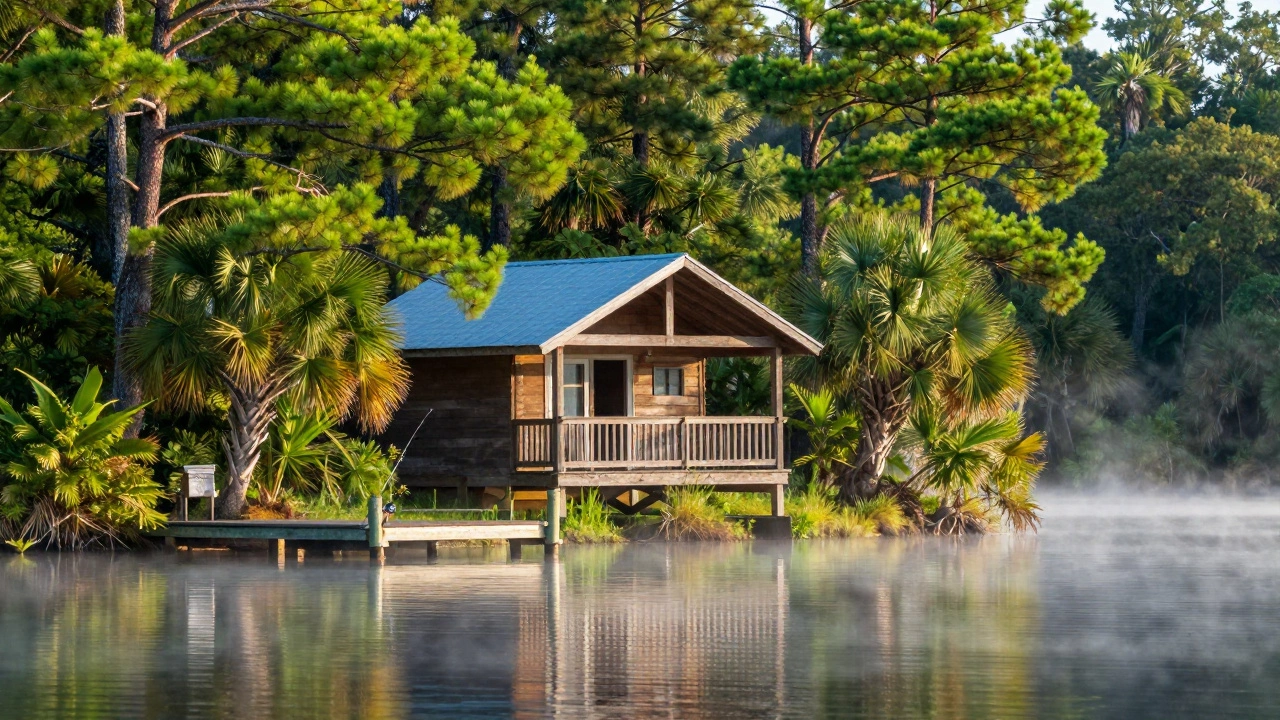
Located in Highlands County, Lake Placid consistently ranks among the lowest-income towns in Florida. With a median household income hovering around $28,000, this area offers unparalleled access to nature without the premium price tag. Known as the "Wildlife Capital of the World," Lake Placid is home to Airboat Adventures, where you can see alligators in their natural habitat.
Why is it so affordable? Lake Placid relies heavily on seasonal tourism rather than year-round corporate residency. This means accommodations compete fiercely on price during off-peak months. You can find cozy cabins near Lake Tohopekaliga for less than the cost of a single dinner in downtown Tampa. The town also hosts annual events like the Lake Placid Seafood Festival, offering fresh Gulf seafood at local prices.
- Best for: Families who love outdoor activities and wildlife viewing.
- Savings Tip: Book stays directly with local cabin owners instead of using large booking platforms to avoid service fees.
- Must-Do: Take an airboat tour through the swamps-it’s an unforgettable experience that costs significantly less here than in the Everglades National Park entrance areas.
Perry: Historic Charm on a Budget
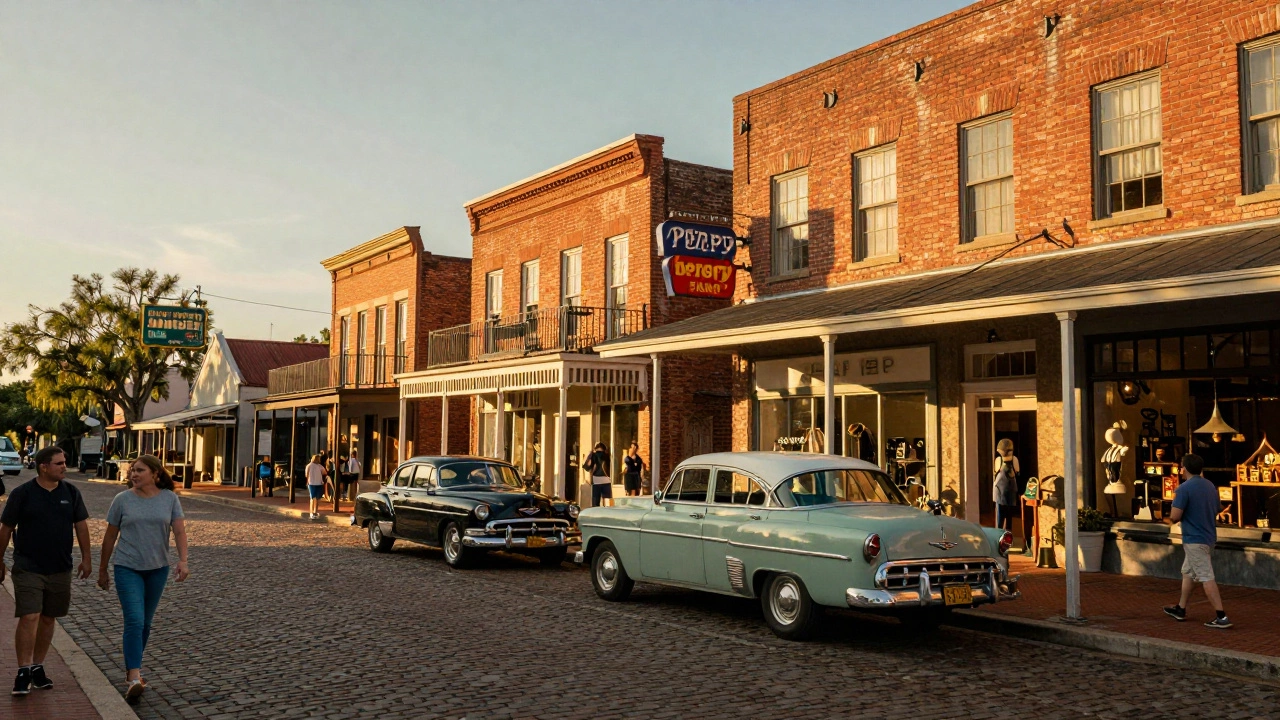
If you prefer history over wilderness, Perry, located in Lafayette County, is a fantastic option. Often cited as one of the poorest cities in Florida by income metrics, Perry compensates with its well-preserved historic district. The median income here is approximately $31,000, making it one of the most affordable places to rent a car and drive around central Florida.
Perry’s main street features charming brick buildings housing local boutiques, antique shops, and casual diners. Unlike tourist traps, these restaurants serve genuine Southern comfort food at honest prices. A hearty breakfast might set you back $8-$10, compared to $20+ in nearby Orlando. The town also serves as a gateway to the Withlacoochee State Forest, offering hiking trails and camping options for those wanting to save even more on accommodation.
- Visit the Lafayette County Courthouse to admire its Spanish Renaissance architecture.
- Explore the Perry Historical Society Museum to learn about the region’s agricultural roots.
- Enjoy a picnic at City Park, which hosts community events throughout the summer.
Immokalee: Cultural Richness and Agricultural Roots
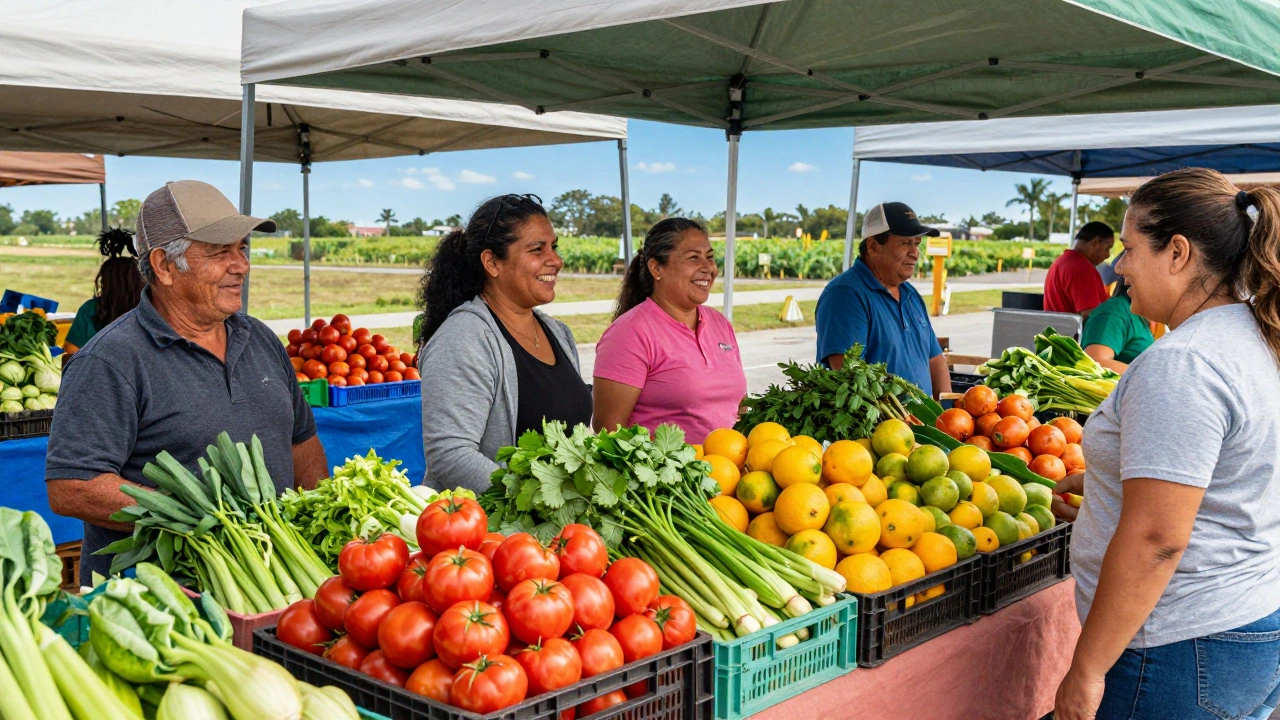
In Southwest Florida, Immokalee stands out for its unique cultural blend and low cost of living. With a median household income near $33,000, this city is deeply connected to the agricultural industry, particularly tomato farming. For travelers, this means access to farm-fresh produce at local markets at unbeatable prices.
Immokalee has a strong Latin American influence, evident in its cuisine, music, and festivals. Dining here is an adventure in itself. Local taquerias and Cuban restaurants offer authentic flavors without the markup found in Miami or Fort Lauderdale. Additionally, the proximity to Everglades City allows for easy day trips into the wetlands without staying in expensive resort towns.
The town’s affordability extends to transportation. Gas prices tend to be slightly lower in rural areas, and parking is almost always free. This makes Immokalee an ideal base for exploring Collier County on a shoestring budget.
How to Travel Smart in Low-Income Areas
Traveling to economically disadvantaged areas requires sensitivity and preparation. Here are some practical tips to ensure a respectful and enjoyable experience:
- Support Local Businesses: Your dollars go further when spent at family-owned restaurants and small motels. Avoid chain stores wherever possible.
- Check Safety Ratings: While many low-income towns are safe, crime rates can vary. Research specific neighborhoods and stick to well-lit, populated areas after dark.
- Respect Community Norms: These are working-class communities, not theme parks. Dress modestly, keep noise levels down, and engage respectfully with residents.
- Plan Ahead: Public transportation may be limited. Renting a car is often necessary, but consider sharing rides if traveling in a group.
Hidden Gems Beyond the Main Attractions
One of the biggest advantages of visiting lower-income towns is the absence of crowds. You won’t fight for space at popular beaches or wait in long lines for attractions. Instead, you’ll discover hidden gems like secluded fishing spots, local art galleries, and independent bookstores.
For instance, Bartow, another low-income city in Polk County, offers a quiet escape with its beautiful lakes and historic sites. The Polk Museum of Art nearby provides world-class exhibits at minimal entry fees. Similarly, Wauchula invites birdwatchers to explore the Arch Creek Sanctuary, a pristine natural area far removed from the hustle of tourist centers.
These destinations prove that luxury isn’t defined by price tags but by experiences. A sunset over Lake Wauberg in Bartow or a morning walk through the citrus groves of Immokalee can be just as memorable as any high-end resort activity.
Balancing Budget and Experience
While saving money is crucial, it shouldn’t compromise your safety or enjoyment. Always prioritize reputable accommodations, even if they are budget-friendly. Read reviews from other travelers who have visited these areas recently. Look for comments about cleanliness, security, and staff friendliness.
Additionally, consider the time of year. Winter months attract more tourists to Florida, driving up prices everywhere, including in lower-income towns. Visiting during spring or early fall can result in even better deals and fewer crowds. Keep an eye out for local festivals, which often bring extra energy and entertainment to these communities.
Is it safe to visit low-income towns in Florida?
Generally, yes. Most low-income towns in Florida are safe for tourists, especially during daylight hours. However, crime rates can vary by neighborhood. It is essential to research specific areas, avoid isolated locations at night, and use common sense precautions like locking your car and keeping valuables out of sight. Checking recent local news and traveler reviews can provide up-to-date safety information.
What are the best times to visit these affordable Florida destinations?
The best times to visit are during the shoulder seasons-spring (March to May) and early fall (September to October). These periods offer pleasant weather, fewer tourists, and lower accommodation rates. Winter is peak season, leading to higher prices, while summer brings heat and humidity, though some locals enjoy indoor activities and evening events.
Can I find good food in low-income towns?
Absolutely. In fact, you’ll often find some of the most authentic and delicious food in these areas. Local diners, family-owned restaurants, and ethnic eateries offer high-quality meals at reasonable prices. Look for places frequented by locals rather than tourists. Farmers' markets and roadside stands also provide fresh, affordable ingredients if you plan to cook your own meals.
Are there any risks associated with budget travel in Florida?
Risks include potential language barriers in some areas, limited public transportation, and varying levels of tourist infrastructure. Additionally, weather-related issues like hurricanes (June to November) can disrupt plans. Always have travel insurance, check weather forecasts regularly, and maintain flexible itineraries. Being prepared helps mitigate these risks effectively.
How do I support the local economy responsibly?
Support the local economy by shopping at independent stores, eating at locally owned restaurants, and hiring local guides for tours. Avoid large chains that take profits out of the community. Respect local customs and environments, and consider volunteering or donating to local charities if you wish to give back. Responsible tourism ensures that your visit benefits the residents directly.