Split Budget Calculator
Estimate Your Split Trip Cost
Based on article data: Hotels €80-120/night, meals €10-25/meal, day trips €10-30
Your Split Trip Estimate
Based on your selection:
Split isn’t just another Adriatic coast town. It’s a living museum, a buzzing port, and a place where Roman ruins sit right next to espresso bars and street vendors selling fresh figs. If you’re wondering whether Split makes a good city break, the answer isn’t a simple yes or no-it depends on what you’re looking for. But for most travelers, especially those who want history, food, and energy without the crowds of Venice or the price tag of Dubrovnik, Split delivers.
History That Walks With You
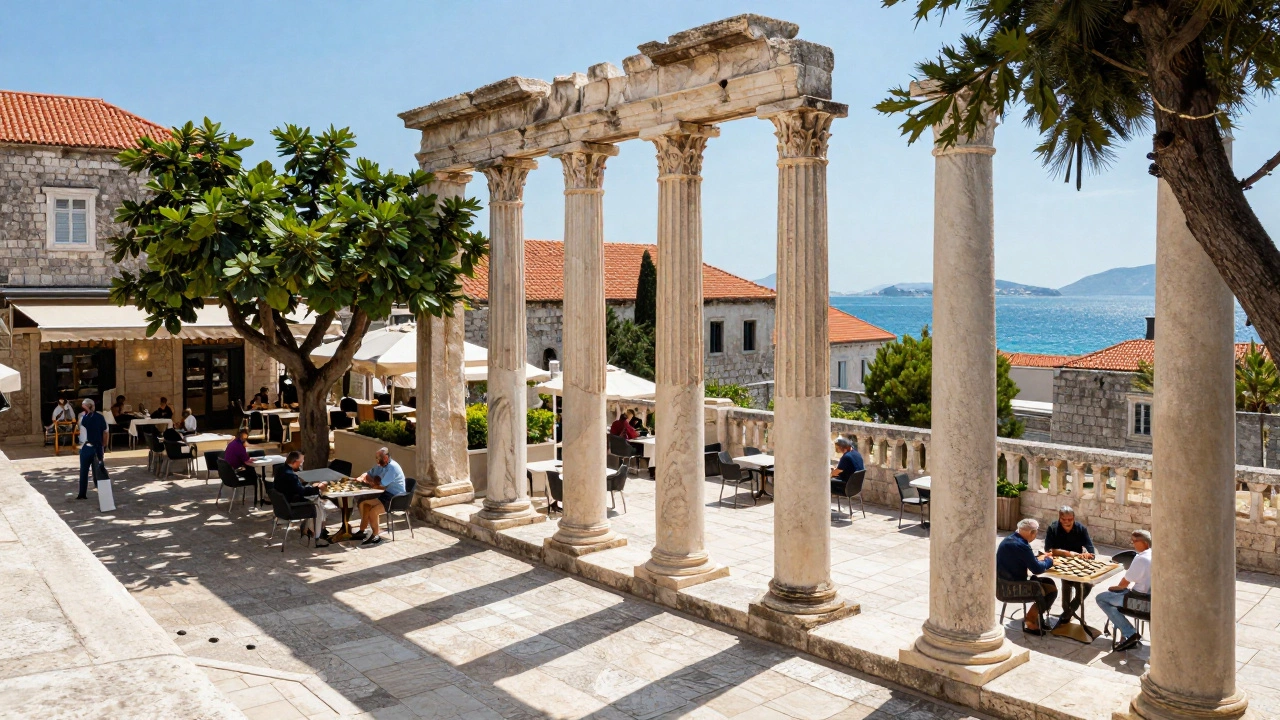
Diocletian’s Palace isn’t just an ancient site-it’s the heart of Split. Built in 305 AD for the Roman emperor, the palace walls now hold cafes, shops, and apartments. You don’t visit the palace; you live inside it. Walk through the Peristyle courtyard, run your hand along 1,700-year-old marble columns, and find yourself in a narrow alley that leads to a hidden courtyard where locals play chess under fig trees. This isn’t a museum you tour-it’s a neighborhood you explore.
Unlike Pompeii, where ruins are fenced off, Split’s ruins are integrated into daily life. A bakery sits where a Roman bathhouse once stood. A church was built into the emperor’s mausoleum. You can climb the bell tower of St. Domnius Cathedral, which was once Diocletian’s tomb, and look out over terracotta rooftops and the sparkling sea. It’s rare to find a city where the past isn’t just preserved-it’s still breathing.
Food That Feels Like a Party
Split’s food scene doesn’t need fancy chefs or Michelin stars. It thrives on simple, fresh ingredients and local pride. Head to the Green Market (Pazar) early in the morning. You’ll find baskets of wild asparagus, plump tomatoes still warm from the sun, and jars of olive oil made by grandmothers who’ve been pressing olives since before you were born.
For lunch, try peka-lamb or octopus slow-cooked under a bell-shaped lid with potatoes and herbs. Or grab a škripavac, a grilled sheep cheese sandwich that crackles when you bite into it. Don’t skip the seafood. Fresh sardines, grilled squid, and black risotto made with cuttlefish ink are served at family-run konobas (taverns) along the Riva promenade. Prices stay reasonable: a full meal with wine won’t cost more than €20.
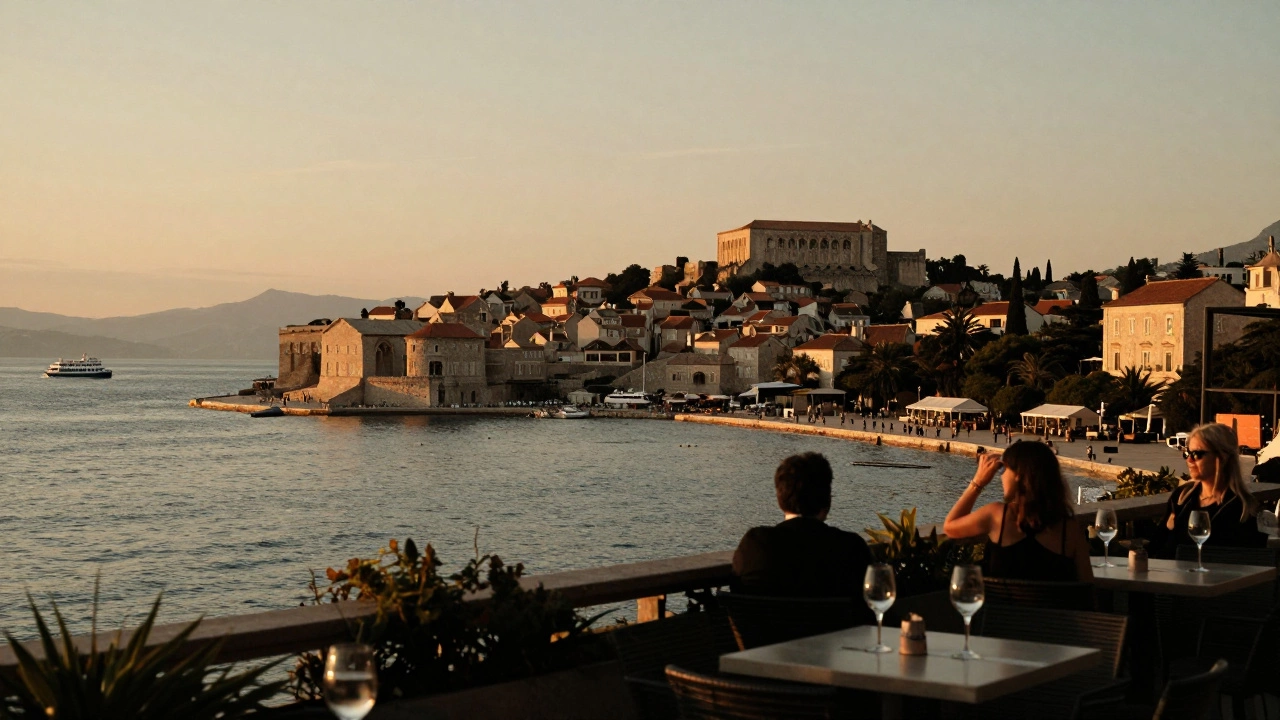
Evenings are for wine bars. Try Prošek, a sweet dessert wine made from dried grapes, or a crisp Pošip white from the nearby island of Korčula. No one here drinks to get drunk-they drink to talk, laugh, and watch the sunset over the harbor.
Day Trips That Don’t Feel Like a Tour
Split is the perfect base for short excursions. Take a 30-minute ferry to Hvar Island and wander its lavender-lined streets. Or hop on a boat to the Blue Cave on Biševo-its glowing waters are one of nature’s quietest miracles. For something quieter, drive 45 minutes to Krka National Park. Walk along wooden boardwalks above waterfalls, swim in natural pools, and spot dragonflies the size of your hand.
Most day trips cost under €30, including transport. You won’t need to book months ahead. Many boats leave daily, and you can buy tickets at the dock. No tour groups. No rigid schedules. Just you, the sea, and the rhythm of the Adriatic.

Who It’s Not For
Split isn’t a place for luxury spas or five-star resorts. If you expect white-glove service, heated pools, or room service at 2 a.m., you’ll be disappointed. It’s a working city. You’ll hear construction noise. You’ll walk on cobblestones that haven’t been smoothed out in centuries. The Wi-Fi in some guesthouses is slow. Some hotels don’t have elevators.
It’s also not ideal if you hate crowds. In July and August, the Riva is packed. The palace courtyards feel like tourist corridors. If you want peace, come in May, June, September, or October. The weather is still perfect-mid-70s Fahrenheit, clear skies-and the locals are back to their routines, not just posing for photos.
How to Make the Most of a Weekend
Here’s how to turn two days into a memorable Split escape:
- Day 1: The Core - Start at Diocletian’s Palace. Climb the bell tower by noon. Walk down Riva, grab lunch at Konoba Matejus. Spend the afternoon in the Archaeological Museum, then sip wine at a rooftop bar as the sun sets over the harbor.
- Day 2: The Escape - Take the 8 a.m. ferry to Trogir (15 minutes). Wander its medieval streets, then return to Split by 1 p.m. Walk up Marjan Hill for panoramic views. Have dinner at a family kitchen in the Žnjan neighborhood. End the night with gelato on the waterfront.
That’s it. No packed itineraries. No rushing. Just enough to feel like you’ve lived there, not just visited.
Real Travelers, Real Experiences
Last year, a couple from Manchester spent four nights in Split. They didn’t book a single guided tour. They bought a map, asked a fishmonger where the best grilled sardines were, and ended up eating dinner on a dock with a local sailor who showed them how to peel a fresh octopus. They came back with a jar of homemade fig jam and a new favorite city.
That’s Split. It doesn’t sell experiences. It offers them-raw, real, and unfiltered.
Final Verdict
Is Split a good city break? Yes-if you want history you can touch, food that tastes like the sea, and a vibe that’s more local café than tourist trap. It’s not the cheapest city in Europe, but it’s one of the most authentic. You won’t find a place where ancient Rome and modern Croatia collide so naturally.
Go in the shoulder season. Walk without a map. Talk to someone who’s lived here for 50 years. You’ll leave with more than photos. You’ll leave with a memory that feels like home.
Is Split safe for solo travelers?
Yes, Split is very safe for solo travelers. Crime rates are low, and locals are generally helpful. The city center is well-lit and busy even at night. Avoid isolated areas near the port after midnight, but otherwise, you can walk around confidently. Many solo travelers, especially women, report feeling welcome and secure here.
How many days do you need in Split?
You can see the highlights in two days, but three gives you breathing room. One day for the palace and city center, one for a day trip (like Hvar or Krka), and a second evening to relax and explore neighborhoods beyond the tourist strip. If you’re slow, food-focused, or love wandering, four days won’t feel like too much.
Is Split expensive compared to other European city breaks?
Split is more affordable than Venice, Barcelona, or Paris. A mid-range hotel costs €80-€120 per night. Meals range from €10-€25. Public transport is cheap, and ferries to nearby islands start at €10. It’s not budget-friendly like Budapest, but it’s far from luxury pricing. You get more value for your money here than in most Mediterranean destinations.
What’s the best time of year to visit Split?
Late May to early July and September are ideal. The weather is warm (22-28°C), the sea is inviting, and crowds are manageable. August is hot and packed. November to March is quiet but many restaurants and ferries close. Winter visits are only for serious history buffs or those who love empty streets and cozy cafes.
Can you do Split as a day trip from Dubrovnik?
Technically yes, but it’s not recommended. The drive is 4 hours, and the ferry takes 3.5 hours with transfers. You’d spend more time traveling than exploring. Split deserves at least an overnight stay. If you’re short on time, focus on one destination-either Dubrovnik or Split-and do it right.