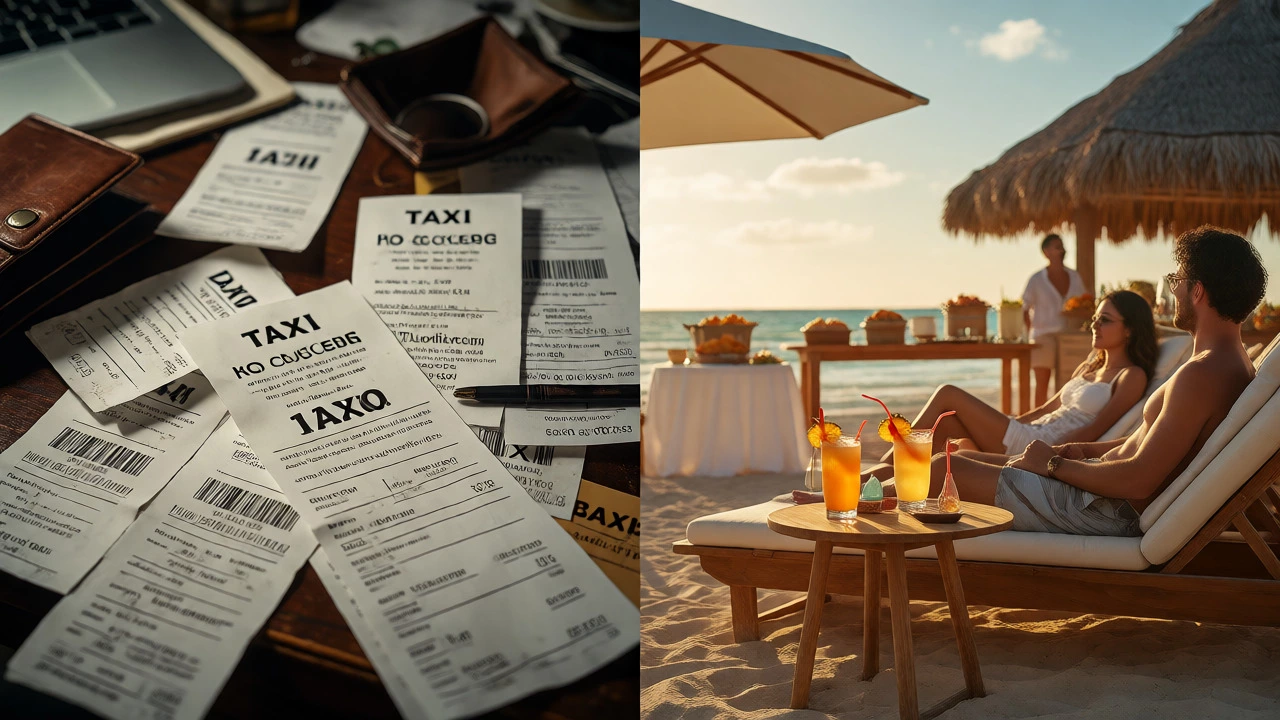
All-Inclusive vs. Pay-As-You-Go Cost Calculator
Enter your trip details to see if bundling your vacation saves you money. This tool estimates daily costs based on typical tourist destination prices.
Trip Details
Comparison Results
You’re staring at two options on your laptop screen. Option A is a $1,200 flight and a $400 hotel room in Cancun. Option B is a single $1,800 all-inclusive package that covers flights, food, drinks, and activities. Your gut says the all-inclusive looks expensive upfront. But does it actually save you money once you factor in every taco, cocktail, and taxi ride? The answer isn’t a simple yes or no-it depends entirely on how you spend your time.
As someone who has planned dozens of trips from Toronto to the Caribbean and back, I’ve seen travelers blow their budgets by underestimating daily costs, and I’ve seen others waste money on all-inclusive perks they never used. Let’s break down the math so you can decide if bundling your vacation is the smart move for your next trip.
The Hidden Costs of "Pay-As-You-Go" Vacations
When you book a standard hotel without meal plans, you think you’re saving money because the nightly rate is lower. But that low rate doesn’t include breakfast, lunch, dinner, snacks, or beverages. In popular tourist destinations like Punta Cana or Jamaica, eating out three times a day adds up fast. A modest lunch might cost $15 per person, while a nice dinner with a drink could hit $40. For a family of four, that’s $220 a day just for food. Over a seven-day trip, you’re spending over $1,500 on meals alone-before you’ve even bought a souvenir.
Then there are the extras. You want to go snorkeling? That’s an extra $60 per person. Want a guided tour? Another $50. Even tipping housekeeping and bartenders adds up; many resorts expect $1-$2 per drink or service. When you tally these hidden fees, the "cheap" hotel often ends up costing more than the bundled package. This is why budget holidays require careful calculation, not just comparing sticker prices.
When All-Inclusive Wins the Money Game
All-inclusive resorts shine when you plan to stay on-site most of the time. If your ideal vacation involves lounging by the pool, drinking piña coladas, and eating buffet dinners, the all-inclusive model is almost always cheaper. Why? Because the resort negotiates bulk rates for food and alcohol. They buy beer by the barrel, not the bottle. They feed hundreds of people simultaneously, which lowers the per-person cost significantly.
Consider this scenario: You’re staying at a mid-range resort in Mexico. An all-inclusive package costs $300 per night. On a pay-as-you-go basis, the same room might cost $150. However, to replicate the all-inclusive experience (three meals plus unlimited drinks), you’d need to spend roughly $150-$200 per day on food and beverage. Add in a couple of excursions ($100 total) and tips ($50), and you’ve matched or exceeded the all-inclusive price tag. Plus, you avoided the stress of pulling out your credit card every time you got thirsty.
| Expense Category | All-Inclusive Package | Standard Hotel + Extras |
|---|---|---|
| Flights & Accommodation | $2,400 (Bundled) | $1,600 (Hotel) + $800 (Flights) |
| Breakfast | $0 (Included) | $140 (2 adults x $10/day) |
| Lunch | $0 (Included) | $210 (2 adults x $15/day) |
| Dinner | $0 (Included) | $560 (2 adults x $40/day) |
| Alcohol/Snacks | $0 (Included) | $350 (Conservative estimate) |
| Tips & Misc Fees | $0 (Often included) | $100 |
| Total Estimated Cost | $2,400 | $3,760 |
The Trap of "Unlimited" Everything
Here’s where things get tricky. All-inclusive pricing assumes you will consume what they provide. If you’re a light eater who skips breakfast and only drinks water, you’re subsidizing the heavy drinkers and buffet lovers around you. You’re paying for amenities you don’t use. In this case, booking a boutique hotel with a great local restaurant nearby might be significantly cheaper.
Also, consider the quality trap. Some budget all-inclusives offer cheap domestic beer and basic cocktails. If you prefer craft beers or premium spirits, you’ll likely have to upgrade to a "Premium" tier, which can add $50-$100 per night per person. Suddenly, the savings evaporate. Always check the fine print: Does "all-inclusive" cover top-shelf liquor? Are à la carte restaurants free, or do they charge a reservation fee? These details change the value proposition drastically.

Family Travelers: The Big Advantage
If you’re traveling with kids, the calculus shifts heavily in favor of all-inclusive packages. Children eat surprisingly well at buffets, and they don’t care about wine pairings. More importantly, kids’ clubs and supervised activities are often included in the package price. Booking these separately can cost $30-$50 per child per day.
For parents, the psychological benefit is huge. You don’t have to worry about a toddler demanding ice cream every hour or a teenager wanting a soda. The fixed cost means no surprise bills at checkout. Many families report saving 20-30% compared to planning separate activities and meals, simply because the logistics are streamlined. If you have children under 12, check for "kids stay free" promotions, which are common in the off-season but rare during peak summer weeks.
Location Matters: Where All-Inclusive Makes Sense
All-inclusive resorts thrive in isolated beach destinations. Think Dominican Republic, Jamaica, Costa Rica, or the Maldives. In these areas, leaving the resort requires a long drive or expensive taxi ride. Staying put is the default behavior, making the all-inclusive model efficient.
However, in cities like London, Paris, or New York, all-inclusive is rarely the best deal. You want to explore local cafes, street food markets, and independent bars. Locking yourself into a resort dining hall defeats the purpose of urban travel. Similarly, in places like Bali or Thailand, where local food is incredibly cheap and high-quality, you can eat like a king for $5 a meal. Here, a standard hotel with a small kitchenette offers better value and cultural immersion.

How to Calculate Your Personal Break-Even Point
Before you book, run this quick mental audit. Ask yourself three questions:
- Will I leave the resort? If you plan to spend less than 4 hours a day outside the property gates, all-inclusive is likely worth it.
- Do I drink alcohol regularly? If you have two or more alcoholic drinks a day, the package usually pays for itself quickly. A single imported beer at a resort bar can cost $8-$12.
- Am I comfortable with buffet dining? If you crave variety and fresh, locally sourced ingredients, you might get bored by day three. If you love abundance and convenience, you’ll feel like you’re getting a steal.
If you answered "yes" to the first two questions, compare the total package price against a rough estimate of your independent spending. Multiply your expected daily food/drink cost by the number of days, then add estimated activity costs. If the all-inclusive price is within 10-15% of that total, take the bundle. The convenience and risk-free budgeting are worth the slight premium.
Pitfalls to Avoid When Booking
Not all all-inclusives are created equal. Watch out for these red flags:
- Resort Fees: Some hotels advertise a low nightly rate but charge a mandatory "destination fee" of $25-$50 per night upon arrival. This fee often covers Wi-Fi and gym access, but it wasn’t in the advertised price.
- Wristband Scams: At some properties, you must wear a wristband to prove you’re an all-inclusive guest. If you lose it, you might be charged for meals as a non-guest. Keep it safe!
- Hidden Excursion Costs: Just because a resort offers a "free" boat trip doesn’t mean it’s truly free. Sometimes the transfer to the marina costs extra, or the lunch on board is limited to sandwiches while everyone else gets seafood.
Always read recent reviews specifically mentioning "value for money." Look for comments about food quality and staff attentiveness. A cheap all-inclusive with rude service and stale bread isn’t a bargain-it’s a headache.
Frequently Asked Questions
Is all-inclusive really cheaper for couples?
It depends on your habits. If both partners enjoy dining out and trying local cuisine, a boutique hotel is often cheaper. However, if you prefer relaxing on-site with unlimited drinks and easy access to amenities, all-inclusive typically saves money due to bulk pricing on alcohol and food.
Do I still need to tip at all-inclusive resorts?
While many modern all-inclusives state "no tipping required," it is customary to tip bartenders, waitstaff, and housekeeping. Budgeting $50-$100 for the week ensures excellent service. Check your specific resort's policy, as some strictly prohibit tipping while others encourage it.
Can I get refunds if I don't use all the food?
Generally, no. All-inclusive packages are sold as a bundle. You cannot get a refund for skipped meals or unused activities. This is why accurate self-assessment of your appetite and activity level is crucial before booking.
Are all-inclusive holidays good for solo travelers?
Solo travelers often face higher single supplements, which can negate the savings. However, social atmospheres at all-inclusives make it easier to meet people. Compare the single supplement cost against the potential savings on food and safety; sometimes it balances out.
What is the difference between all-inclusive and full-board?
Full-board includes breakfast, lunch, and dinner but usually excludes drinks and snacks. All-inclusive includes meals, snacks, alcoholic and non-alcoholic beverages, and often on-site activities. All-inclusive offers greater financial predictability.