All-Inclusive Budget Estimator
Estimate Your "Extra" Costs
Determine how much cash to bring beyond your prepaid package
Estimated Total
Quick Summary: What to Expect
- The Basics: Rooms, standard meals, and house drinks are covered.
- The Traps: Top-shelf liquor, a la carte dining, and spa treatments usually cost extra.
- The Essentials: Tipping staff and exploring local towns require cash.
- The Strategy: Budget roughly $20-$50 per person, per day, for a balanced experience.
The "Hidden" Costs Inside the Resort
Just because there is a buffet doesn't mean every meal is free. Many resorts use a tiered system. You have the main buffet, which is always included, but then you have the "Specialty Restaurants." These might be a fancy steakhouse or a sushi bar. Some hotels let you book these for free, but others charge a premium or require a specific "Platinum" package. If you're craving something outside the standard menu, expect to pay. Then there are the drinks. You'll see a menu divided into "House" and "Premium." The house tequila is free; the 18-year-old aged reserve is not. If you're a connoisseur of specific brands or cocktails, these additions add up. A single premium cocktail can range from $12 to $25 depending on the luxury level of the property. Don't forget the wellness center. A 60-minute massage or a facial is almost never included in the base price. In high-end resorts, a simple massage can cost as much as a dinner for two. If you plan on hitting the spa, you need a separate budget line for this, as it is often the most expensive "extra" on the property.The Art of Tipping in All-Inclusive Zones
This is where most first-timers get confused. In many Caribbean or Mexican resorts, the staff's base salary is low, and they rely heavily on tips. Even if your booking says "tips included," the reality on the ground is different. A small tip at the start of the week for your maid or your favorite bartender can result in much better service and faster drinks. Think of tipping as a social lubricant. If you give your bartender $10 or $20 on the first day, you'll likely find your drinks are stronger and your orders are prioritized. While it's not mandatory, it's culturally expected in many all-inclusive hubs. I recommend bringing a stack of small-denomination bills (like $1, $5, and $10 bills) rather than large notes, as the staff often struggle to find change.Leaving the Bubble: Local Exploration
Staying inside the resort is safe, but it's a bit boring. If you want to see the actual culture of the country-visit a local market, take a taxi to a hidden beach, or eat at a street-side taco stand-you'll need cash. Resorts often offer "curated excursions." These are convenient but usually overpriced. For example, a resort-organized trip to a nearby ruin might cost $120 per person. If you organize it yourself via a local operator, it might be $60. However, those local operators almost always require cash payments. If you're using Uber or local taxis, don't expect them to take a credit card in smaller towns. Having a stash of local currency is the only way to ensure you don't get stranded or overcharged.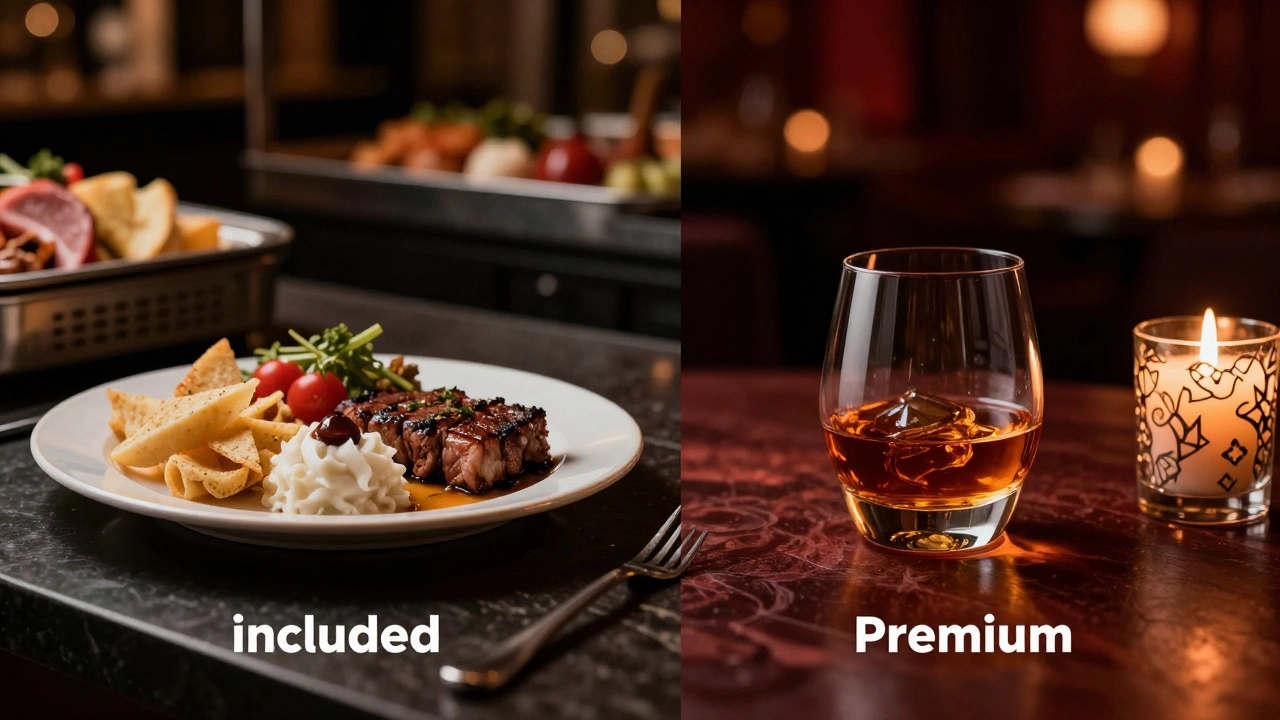
Comparing Package Tiers
Not all all-inclusives are created equal. To help you decide how much extra cash to bring, look at this breakdown of typical service levels.| Feature | Budget / Standard | Luxury / Premium | Ultra-Luxe / Club Level |
|---|---|---|---|
| Drinks | House brands only | Most brands included | Top-shelf & Champagne |
| Dining | Buffet + 1 specialty | All specialty restaurants | Private chefs / In-room |
| Activities | Basic gym/pool | Non-motorized water sports | Private excursions |
| Spending Money Need | Moderate (to upgrade) | Low (mostly tips) | Minimal |
Common Budget Killers
There are a few things that can blow your budget in a single afternoon. First, the gift shop. Resort boutiques are notorious for marking up basic items. You might find a bottle of sunscreen or a beach towel that costs three times what it does at home. Buy your essentials before you leave Toronto or your home city. Second, motorized water sports. If you want to go jet skiing or take a parasailing trip, be prepared to pay. These are rarely included because of the fuel and equipment costs involved. A 20-minute jet ski ride can easily cost $60 to $100. Third, airport transfers. Check your booking carefully. Some packages include the shuttle from the airport to the hotel, but others leave you to figure it out. A private car can be a steep expense if you haven't budgeted for it, especially for a family of four.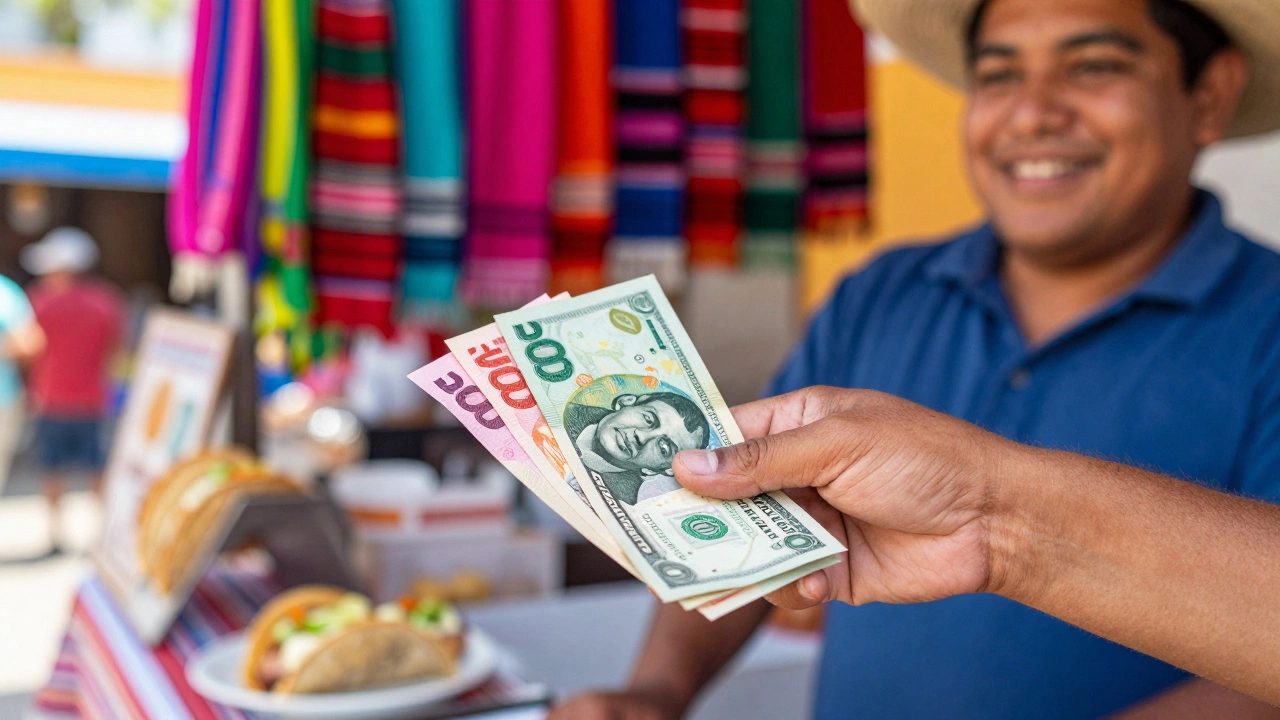
How to Plan Your Budget
If you're wondering exactly how much to bring, use a simple rule of thumb based on your personality. If you're a "Resort Dweller" who just wants to read a book and drink the free house wine, bring about $100 to $200 for the week. This covers basic tips and maybe one fancy dinner or excursion. If you're an "Adventurer" who wants to explore the local towns, try different restaurants, and book a few tours, budget $30 to $50 per person, per day. For a 7-day trip, that's around $350 per person. This gives you the freedom to say "yes" to an interesting opportunity without stressing about your bank account. If you're a "Luxury Seeker" who wants the spa, the most expensive champagne, and private tours, you should treat your spending money as a separate vacation fund entirely. In this case, $1,000+ is not uncommon for a week-long stay.Managing Your Money While Away
Avoid exchanging all your money at the airport; those exchange rates are usually predatory. Instead, use a travel-friendly debit card or credit card with no foreign transaction fees. However, remember that in many tourist areas, "Cash is King." I recommend taking a small amount of local currency from a reputable bank before you leave and then using ATMs at the resort or in the town center. Be careful with the ATMs inside the hotel-they often have the highest fees. Look for a bank-affiliated ATM in the city for a better rate. Also, keep your cash in different places. Don't put all your bills in one wallet. Use the hotel safe for the bulk of your money and only carry what you need for the day. It's a simple habit that saves a lot of stress if you happen to lose your bag on the beach.Do I need a credit card if everything is paid for?
Yes, absolutely. Almost every resort will ask for a credit card at check-in for a "security deposit" or "incidental hold." They use this to cover any damages to the room or any extra charges you run up on your room account. If you don't have a card, they may ask for a significant cash deposit, which you won't get back until you check out.
Is tipping mandatory at all-inclusive resorts?
Technically, no. However, it is highly encouraged. Many staff members rely on these tips to supplement their income. Tipping $1-$5 for small services and $10-$20 for your main bartender or server can greatly improve the level of service you receive.
What is typically NOT included in an all-inclusive package?
Common exclusions include: premium alcohol, a la carte specialty dining, spa treatments, motorized water sports (like jet skis), off-site excursions, and airport transfers (depending on the provider). Always check the "fine print" of your specific booking.
Should I bring US Dollars or local currency?
In many Caribbean and Mexican resorts, US Dollars are widely accepted and often preferred for tipping. However, for shopping in local markets or taking local taxis, you will get a much better rate if you use the local currency. I recommend a mix of both.
How can I save money on an all-inclusive trip?
To keep costs down, stick to the house drinks and buffet meals. Pack your own sunscreen, toiletries, and basic snacks from home so you aren't tempted by the overpriced hotel gift shop. Also, research local transport options instead of booking all your tours through the hotel concierge.