City Break Budget Estimator
Estimated Budget
*Calculations are based on the average ranges provided in the article's budget breakdown table.
Quick Wins for Budget Travelers
- Southeast Asia: Unbeatable for food and accommodation costs.
- Eastern Europe: High culture and architecture at a fraction of Western European prices.
- Latin America: Great value for money, especially in colonial cities.
- Central Asia: The ultimate hidden gems for those who want to avoid crowds and high costs.
The Real Budget Champions
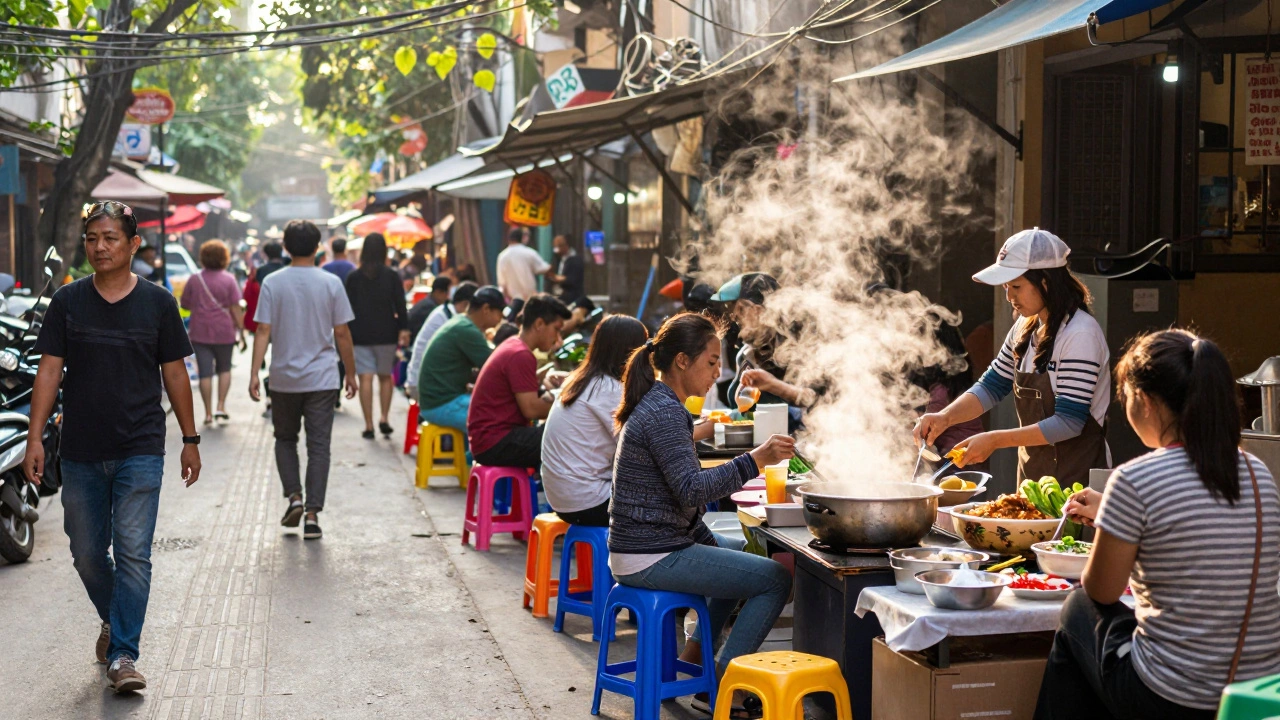
When we talk about the cheapest cities to visit, we have to look at the daily spend-what it actually costs to eat, sleep, and move around. Hanoi is the capital city of Vietnam and one of the most affordable urban centers globally. It's a place where you can grab a world-famous bowl of Pho on a plastic stool for under $2 and find a clean, decent hostel bed for $7 to $12. The city's layout encourages walking and cheap ride-sharing, making it nearly impossible to overspend unless you are hunting for high-end luxury jewelry.
Then there is Bangkok, which is the sprawling capital of Thailand known for its street life and ornate shrines. While it has fancy malls, the heart of the city is budget-friendly. You can spend a whole day exploring the Bangkok street food scene, spending maybe $10 on multiple meals. The public transport, like the BTS Skytrain, keeps you moving without needing expensive taxis.
Moving toward Europe, Budapest is the capital of Hungary and a prime example of affordable European luxury. It offers a similar architectural vibe to Vienna or Prague but often at a significantly lower price point. You can visit the historic thermal baths or wander through the Jewish Quarter without breaking the bank. A hearty goulash and a local beer will usually cost you less than a mediocre sandwich in London or New York.
Comparing Your Options
Not all "cheap" cities are the same. Some are cheap because the local currency is weak, while others are cheap because the culture emphasizes affordable living. To help you decide, here is a breakdown of how these budget powerhouses stack up.
| City | Budget Hostel/Hotel | Street Meal | Main Vibe | |
|---|---|---|---|---|
| Hanoi | $10 - $20 | $1.50 - $3 | $1 - $5 | Chaotic & Authentic |
| Bangkok | $15 - $25 | $2 - $5 | $2 - $7 | Electric & Diverse |
| Budapest | $25 - $45 | $5 - $10 | $3 - $8 | Imperial & Artistic |
| Mexico City | $20 - $40 | $3 - $7 | $2 - $6 | Cultural & Massive |

Hidden Gems: The Under-the-Radar Cities
If you want to get away from the typical tourist trails, look toward Tbilisi. Tbilisi is the capital of Georgia, located at the intersection of Europe and Asia. It is currently one of the best-value cities in the world. The wine is world-class and incredibly cheap, the food (like Khachapuri) is filling and affordable, and the city's blend of old wooden houses and futuristic architecture is stunning. Because it isn't as crowded as Paris or Rome, you don't deal with "tourist taxes" baked into every menu price.
Another fantastic option is Mexico City, the massive capital of Mexico known for its deep history and culinary arts. While some neighborhoods like Polanco are pricey, places like Roma and Condesa offer a great mix of affordability and style. You can visit the National Museum of Anthropology for a small fee and spend your afternoons eating tacos from a street vendor that taste better than five-star restaurant food.
How to Keep Your Trip Cheap
Finding a cheap city is only half the battle. How you spend your money determines if your budget lasts two weeks or two days. First, stop using ride-sharing apps for every single trip. Walk. When you walk, you find the tiny cafes and hidden alleys that the tourists miss, and those are usually where the cheapest, most authentic food is hidden.
Second, look for "Free Walking Tours." Most major cities have them. You just tip the guide at the end. It's the fastest way to get your bearings and learn the history of the city without paying for a private tour. Third, eat where the locals eat. If a menu has pictures of food and is written in five different languages, it's likely a tourist trap. Look for the place with a line of locals and no English menu; that's where the value is.
Don't forget about the Hostel experience. Modern hostels aren't just bunk beds in a crowded room; many offer "pod" style beds with privacy curtains, coworking spaces, and organized social events. Staying in a hostel reduces your lodging cost by 70% compared to a mid-range hotel, leaving more money for experiences and food.

Potential Pitfalls of Budget Travel
Cheap doesn't always mean easy. When visiting extremely low-cost cities, you might encounter some hurdles. For example, in some Southeast Asian cities, the "cheap" transport can be uncomfortable or unregulated. Always agree on a price with a driver before you get in the car to avoid the "tourist price" surprise at the end of the ride.
Safety is another factor. While budget cities are generally safe, the areas where things are cheapest can sometimes be more crowded or less polished. Do a quick check of local forums or travel blogs to see which neighborhoods are best for visitors. Also, remember that while the city is cheap, getting there might be expensive. A $10-a-day stay in Hanoi doesn't matter if the flight cost you $1,200. Balance your destination's cost of living with the cost of the ticket.
What is the cheapest continent for city breaks?
Generally, Asia is the cheapest continent, specifically Southeast Asia. Cities like Hanoi and Bangkok offer the lowest combined cost for food, lodging, and entertainment. However, Eastern Europe (Georgia, Poland, Hungary) is a close second for those wanting a Western-style city experience at a lower price.
Are there any cheap cities in Western Europe?
Western Europe is generally expensive, but cities like Lisbon, Portugal, are more affordable than London or Paris. While not as cheap as Hanoi, Lisbon offers great value for its quality of life, food, and transport. Cities in the north of Spain or the south of Italy can also be surprisingly affordable if you avoid the main tourist hubs.
How can I find the cheapest flights to these cities?
Use flight aggregators and be flexible with your dates. Traveling during the "shoulder season" (the period between the peak and off-peak seasons) usually yields the best prices. Also, consider flying into a major hub and taking a budget bus or train to your final destination.
Is street food safe in budget cities?
In most cases, yes. The best rule of thumb is to eat where there is a high turnover of people-especially locals. If the food is cooked fresh in front of you at a high temperature, it's generally safe. When in doubt, stick to bottled water and avoid raw vegetables washed in tap water.
Do I need to exchange a lot of cash in these cities?
Yes. While bigger hotels and malls take cards, the cheapest experiences-street food, local markets, and small guesthouses-usually require cash. Use an ATM that offers a fair exchange rate and avoid airport currency kiosks, which usually have the worst rates.
What to do next
If you are ready to book a trip, start by picking a region based on your total budget. If you have a few hundred dollars for a week, look at Southeast Asia. If you have a bit more and want a European vibe, target Budapest or Tbilisi. Your next step should be to track flight prices for the next three months to find a dip in cost. Once the flight is booked, look for a highly-rated hostel in a central but non-tourist neighborhood. That is how you turn a small budget into a massive adventure.