Caribbean Budget Trip Estimator
Trip Details
Estimate for Dominican Republic
Daily Cost Breakdown
Total Estimated Cost
You picture turquoise water, white sand, and a drink with a little umbrella. Now picture the price tag. Most people assume the Caribbean is only for those who can afford five-star resorts and private charters. That’s not true anymore. If you know where to look, you can have an amazing island getaway without emptying your savings account.
The real question isn’t just which island has the lowest prices-it’s which island gives you the best experience for your money. Some places are cheap because they lack infrastructure. Others are cheap because they’re smart about tourism. In this guide, we’ll break down the actual costs, from flights to food, so you can pick the right spot for your wallet and your vibe.
Quick Summary: The Top Picks for Budget Travel
- Dominican Republic: The overall winner for low costs on accommodation, food, and activities.
- Puerto Rico: Best if you’re flying from the US (no passport needed) and want city meets beach.
- Trinidad & Tobago: Surprisingly affordable with great culture and fewer crowds.
- Curaçao: Great value if you can find a direct flight; very safe and clean.
- Barbados: More expensive than others, but still doable on a mid-range budget.
Why the Dominican Republic Is the Cheapest Option
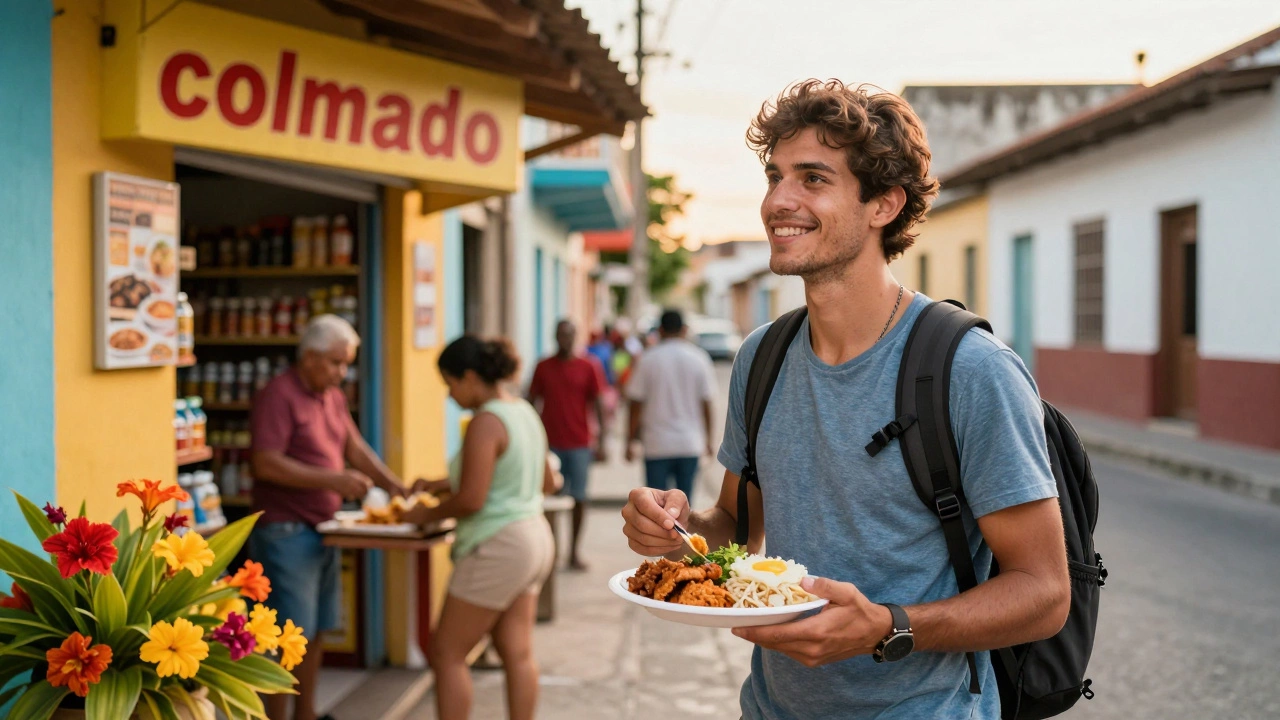
If you want the lowest daily spend, the Dominican Republic is a Caribbean nation known for its affordable all-inclusive resorts, local eateries, and vibrant culture takes the crown. It’s not just about one thing-it’s everything. Flights are competitive because multiple airlines fly there daily. Accommodation ranges from $15 hostels to $30 guesthouses. And food? You can eat like a king for $5-$8 per meal at local restaurants called *colmados* or *merenguerías*.
Let’s talk numbers. A week in Punta Cana or Santo Domingo can cost as little as $700-$900 total if you avoid luxury resorts. That includes:
- $400-$500 for flights (from major US/EU hubs)
- $150-$200 for mid-range lodging
- $100-$150 for food and drinks
- $50-$100 for tours and transport
The secret? Stay outside the resort zones. Head to cities like Santiago or La Vega, where locals live. You’ll get authentic experiences, better prices, and a chance to practice Spanish. Plus, the DR has excellent public buses (*guaguas*) that connect towns for under $2.
Don’t worry about safety either. Tourist areas are well-policed, and crime rates are low compared to other Latin American countries. Just use common sense-don’t flash cash, keep valuables hidden, and stick to populated areas after dark.
Puerto Rico: No Passport, Low Prices
Puerto Rico is a US territory in the Caribbean with no passport requirement for US citizens and affordable urban-beach combos might surprise you. Since it’s part of the United States, you don’t need a passport if you’re flying domestically. That alone saves time and hassle. But here’s the kicker: prices are surprisingly low.
San Juan is walkable, historic, and full of free attractions. El Yunque National Forest charges $25 entry, but hiking trails are free once inside. Beaches like Condado and Isla Verde are public and accessible. Food? Try *mofongo*, *lechón*, or *pasteles* at local *comedorías* for $6-$10 per plate.
Accommodation starts at $40/night for clean Airbnbs or boutique hotels. Flights from NYC or Miami often drop below $200 during off-peak seasons. Add in free walking tours, street music, and nightlife, and you’ve got a rich experience without breaking the bank.
One downside? Hurricane season runs June-November. Plan accordingly. Also, while English is widely spoken, learning basic Spanish phrases helps you connect deeper with locals.
Trinidad & Tobago: Culture Without the Crowd
Trinidad & Tobago is a dual-island nation offering affordable travel, unique cultural festivals, and natural beauty doesn’t get enough love. Most tourists skip it for more famous spots-but that works in your favor. Fewer visitors mean lower prices and less crowded beaches.
Flights from London or New York often land around $350-$450 roundtrip. Once there, life is cheap. Local meals (*doubles*, *roti*, *pelau*) cost $2-$4. Guesthouses start at $25/night. Public transport (*buses* and *taxis*) are reliable and inexpensive.
Tobago offers pristine beaches like Pigeon Point and Buxton-both free to access. Trinidad hosts Carnival, one of the world’s biggest street parties, held every February/March. Even outside festival season, the energy is alive with steelpan music, calypso, and soul food.
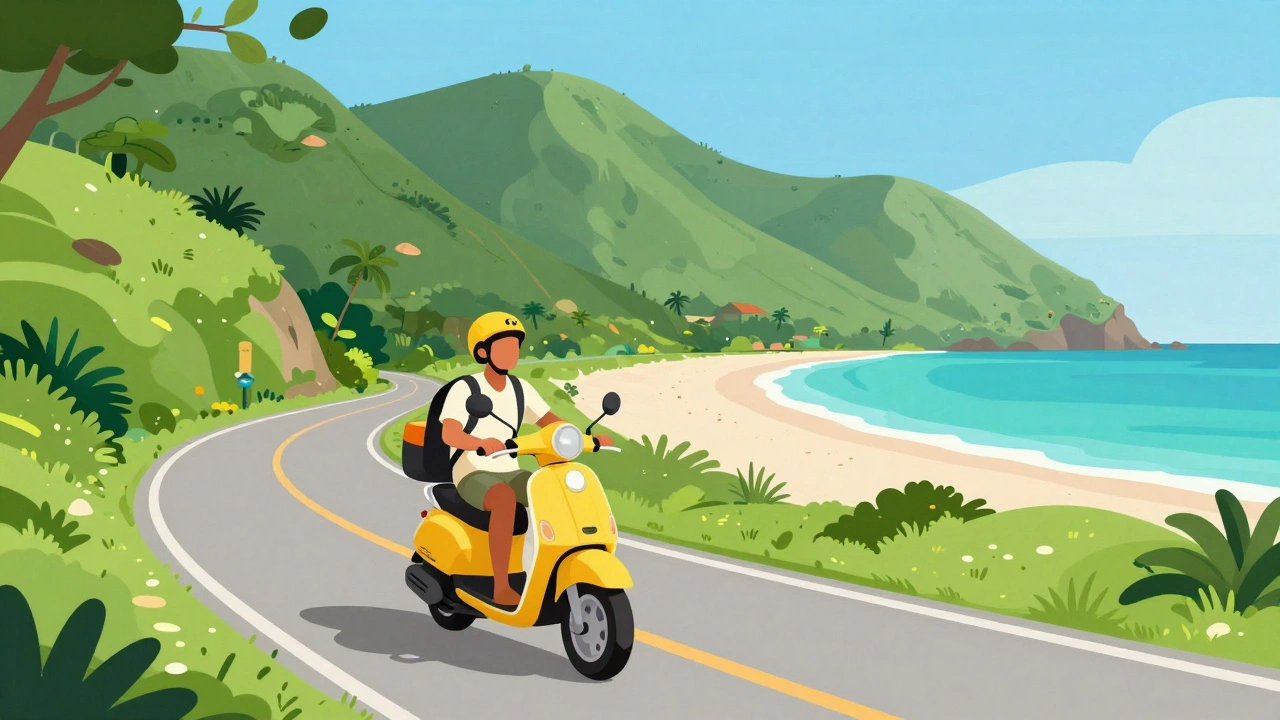
Pro tip: Rent a scooter instead of a car. Fuel is cheaper, parking is easier, and you’ll feel like a local navigating narrow roads through lush hills.
Curaçao: Hidden Gem With High Value
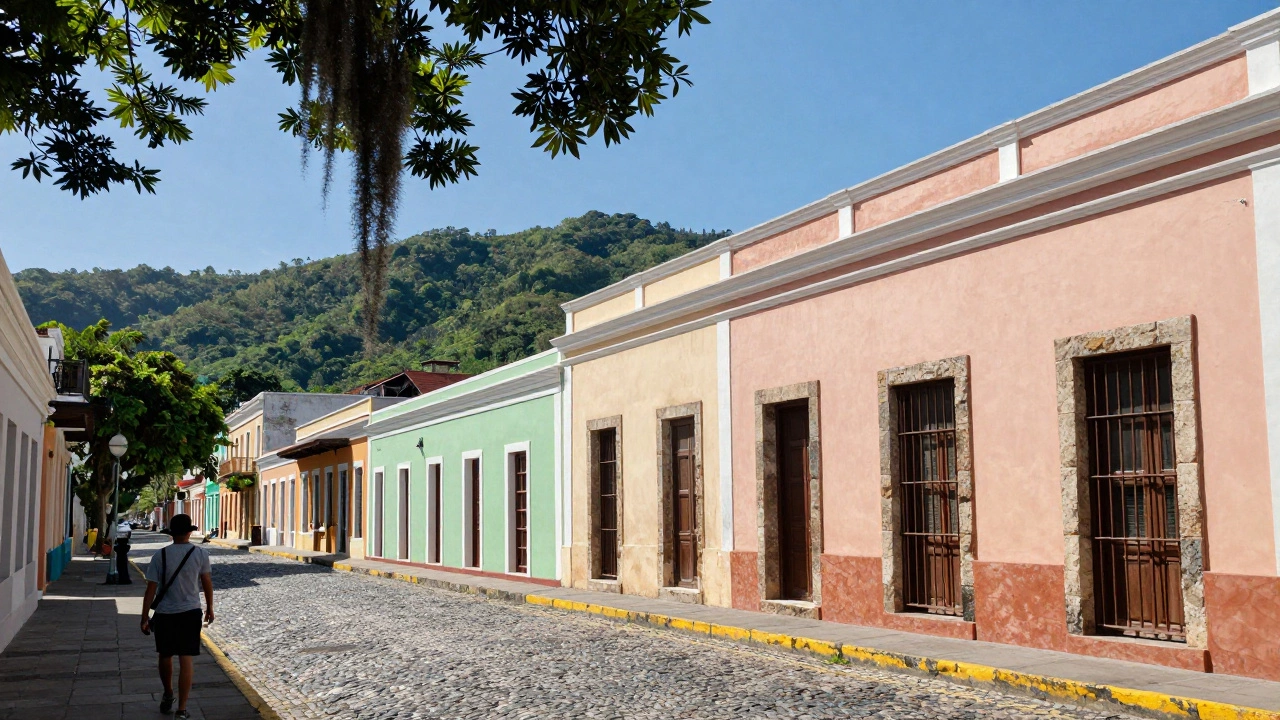
Curaçao is a Dutch-speaking island with colorful architecture, clear waters, and moderate pricing flies under the radar. Willemstad, the capital, looks straight out of a postcard-with pastel buildings, bridges over canals, and cobblestone streets. Yet, it’s not overrun by cruise ships.
Prices are reasonable. Meals range from $8-$12 at casual spots. Lodging averages $40-$60/night for decent rooms. Flights from Amsterdam or Atlanta sometimes dip below $300 if booked early.
What makes Curaçao special? Its underwater heritage park. Dive sites feature sunken ships and sculptures-all free to explore if you bring your own gear. Snorkeling off Playa Porto Marie reveals coral reefs teeming with fish.
Also, since it’s a constituent country of the Kingdom of the Netherlands, euros and dollars are accepted interchangeably. No currency conversion stress.
Barbados: Mid-Range But Worth It
Barbados is an upscale yet accessible island known for rum production, polite locals, and balanced budgets sits between luxury and affordability. Yes, it’s pricier than DR or Trinidad-but still manageable if you plan smart.
Flights from London or Boston hover around $400-$500. Hotels start at $50/night for guesthouses or Airbnb-style stays. Food varies: fast-food burgers go for $5, while sit-down dinners run $15-$20. However, local markets offer fresh fruit, bread, and seafood for pennies.
Free activities abound: Harrison’s Cave (entrance fee applies), Animal Flower Cave, and countless public beaches. Rum distilleries charge small tasting fees ($5-$10), but many include samples.
Best time to visit? December-April when weather is dry and winds are gentle. Avoid August-October due to hurricane risk.
How to Save Money Across Any Island
No matter which island you choose, these tips will stretch your dollar further:
- Travel Off-Season: September-November sees fewer tourists and lower prices. Rain showers are brief and rare.
- Eat Like Locals: Skip tourist traps. Look for signs saying “menú del día” or ask hotel staff where they eat.
- Use Local Transport: Buses, shared taxis, and scooters beat rental cars and Uber surcharges.
- Book Direct: Contact hotels directly via email-they often match online rates and waive fees.
- Bring Reusable Bottles: Tap water is safe in most islands (except Haiti). Fill up and save plastic waste + money.
Comparison Table: Daily Costs Breakdown
| Island | Accommodation | Food & Drinks | Transport | Activities | Total Estimate |
|---|---|---|---|---|---|
| Dominican Republic | $15-$30 | $5-$10 | $2-$5 | $10-$20 | $32-$65 |
| Puerto Rico | $40-$60 | $6-$12 | $3-$8 | $15-$25 | $64-$105 |
| Trinidad & Tobago | $25-$40 | $2-$6 | $1-$4 | $5-$15 | $33-$65 |
| Curaçao | $40-$60 | $8-$12 | $3-$6 | $10-$20 | $61-$98 |
| Barbados | $50-$70 | $5-$15 | $4-$8 | $10-$20 | $69-$113 |
Frequently Asked Questions
Which Caribbean island is cheapest for Americans?
Puerto Rico is ideal since no passport is required and flights from the mainland are frequent and affordable. Dominican Republic comes close second with lower living costs.
Can I survive on $50/day in the Caribbean?
Yes-in Dominican Republic, Trinidad, and parts of Puerto Rico. Focus on local food, budget lodging, and free activities. Avoid imported goods and alcohol-heavy nights.
Are all-inclusives really cheaper?
Only if you consume heavily. For solo travelers or couples eating lightly, paying separately saves money. All-inclusives shine for families or groups wanting convenience.
What’s the safest budget-friendly island?
Curaçao ranks high for safety and cleanliness. Barbados also has low crime rates. Always research neighborhoods before booking accommodations.
When is the best time to book cheap flights?
Book 2-3 months ahead for domestic routes. International flights should be secured 4-6 months prior. Use incognito mode and set price alerts on apps like Skyscanner or Google Flights.
Do I need travel insurance for budget trips?
Absolutely. Medical emergencies abroad can cost thousands. Basic plans start at $50/trip and cover hospitalization, evacuation, and lost luggage. Never skip this step.
Is tap water safe to drink in the Caribbean?
In most islands-including DR, PR, TT, CU, BB-tap water is treated and safe. Exceptions include Haiti and some rural areas. Carry a reusable bottle and filter if unsure.
How much should I budget for a 7-day Caribbean vacation?
For budget travelers: $700-$1,200 including flights. Mid-range: $1,500-$2,500. Luxury exceeds $3,000+. Adjust based on destination, season, and spending habits.