Budget Travel Cost Estimator
You want the perfect vacation: stunning views, rich culture, and a price tag that doesn’t make you panic. The good news? You don’t need a trust fund to find paradise. In 2026, several countries offer incredible beauty without breaking the bank. These aren’t just cheap places; they are visually spectacular destinations where your dollar stretches further than ever before.
We often hear that beauty costs money. That’s a myth. Some of the most breathtaking landscapes on Earth are found in nations with lower living costs. From turquoise waters in Southeast Asia to rugged mountains in Eastern Europe, these spots deliver high visual impact for low financial input. Let’s look at the top contenders that balance affordability with jaw-dropping scenery.
Quick Takeaways
- Vietnam offers the best mix of natural beauty, food, and ultra-low daily costs (under $30/day).
- Bulgaria is Europe’s hidden gem, providing luxury-style experiences at half the price of Western Europe.
- Morocco delivers exotic architecture and desert landscapes for surprisingly low prices if you avoid tourist traps.
- Bali, Indonesia remains a top pick for beach lovers seeking villas and rice terraces on a shoestring budget.
- Georgia combines Caucasus mountain grandeur with some of the cheapest wine and hospitality in the world.
The Value-Beauty Equation
Before picking a destination, it helps to understand what makes a country "cheap and beautiful." It’s not just about the flight cost. It’s about the daily spend versus the visual return. A place might be cheap but boring. Another might be beautiful but expensive. We are looking for the sweet spot: high aesthetic value per dollar spent.
In 2026, inflation has hit global travel hard. Flights are pricier, and hotels in major hubs like Paris or Tokyo have skyrocketed. However, emerging destinations have maintained stable local pricing. This creates an opportunity. When you visit a country where the local currency is weaker against the USD or EUR, your purchasing power increases dramatically. You get better meals, nicer rooms, and more activities for less cash.
Here are the five countries that currently dominate this category.
Vietnam: The Ultimate Low-Cost Paradise
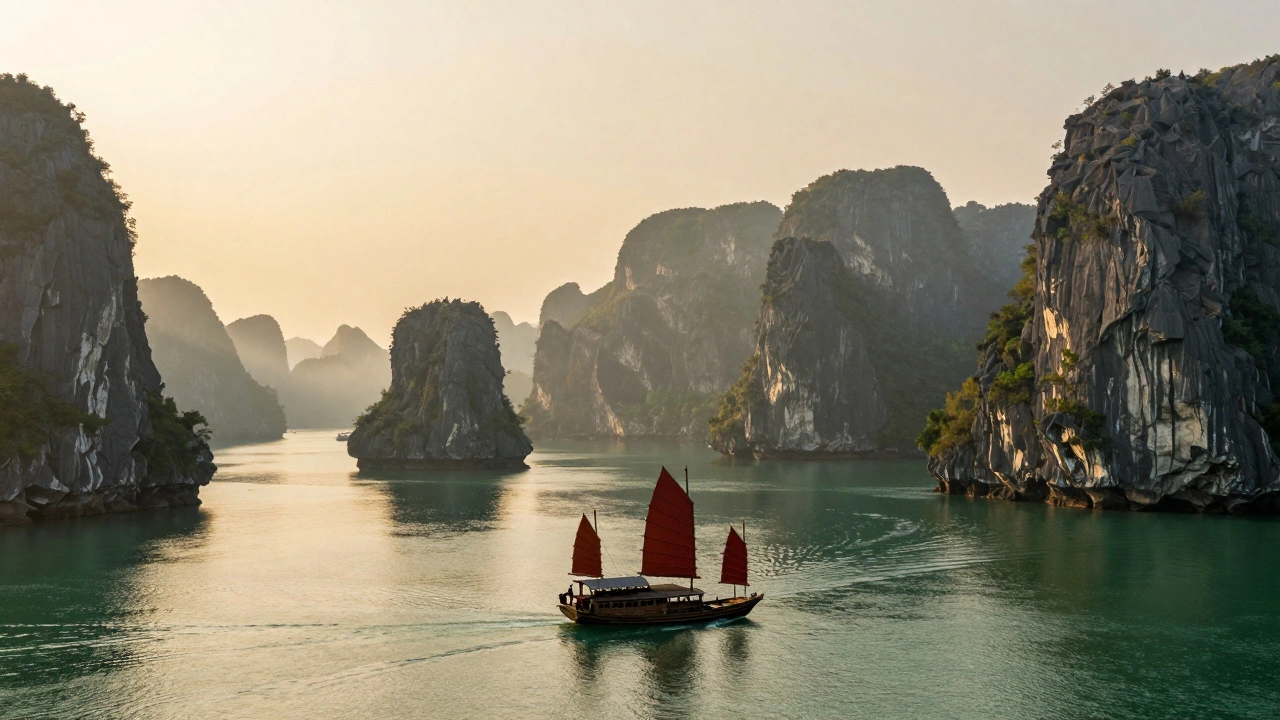
Vietnam is a Southeast Asian nation known for its dramatic limestone karsts, lush rice paddies, and vibrant street life. Also known as Socialist Republic of Vietnam, it has become a top budget destination due to its low cost of living and rich cultural heritage.Vietnam is arguably the king of budget travel right now. Why? Because everything is incredibly affordable. You can eat a delicious bowl of Pho for $1.50. A motorbike rental costs about $5 a day. And a private room in Hanoi or Ho Chi Minh City can be found for under $15. But the real draw is the scenery.
Think of Ha Long Bay, where thousands of limestone islands rise from emerald water. Or Sapa, with its terraced rice fields winding down steep mountainsides. The contrast between bustling cities and serene countryside is striking. Plus, the weather is generally warm year-round, making it a reliable escape from cold winters.
| Expense | Estimated Cost (USD) | Notes |
|---|---|---|
| Accommodation | $10 - $25 | Guesthouses to boutique hotels |
| Food | $10 - $15 | Street food is safe and delicious |
| Transport | $5 - $10 | Grab app or motorbike rental |
| Activities | $10 - $20 | Tours, entrance fees |
The downside? It can be crowded in peak seasons (March-April and September-October). To keep it cheap and beautiful, travel during shoulder months like May or November. You’ll avoid the worst humidity and the biggest crowds.
Bulgaria: Europe’s Affordable Secret
Bulgaria is a Balkan country featuring diverse landscapes from Black Sea beaches to Rila Mountain peaks. Known for its Thracian tombs, medieval monasteries, and thermal spas, it offers European charm at a fraction of Western prices.If you want Europe without the European price tag, Bulgaria is your answer. Many travelers skip over it, which works in your favor. Prices are significantly lower than in France, Italy, or even Poland. Yet, the beauty is undeniable.
Start in Sofia, the capital, with its Ottoman-era mosques and Soviet-era architecture. Then head north to Plovdiv, one of Europe’s oldest cities, with cobblestone streets and vibrant murals. For nature, drive to the Rila Mountains. The Seven Rila Lakes are crystal clear and surrounded by pine forests. It feels like Switzerland, but without the Swiss Francs.
Food is another highlight. Bulgarian yogurt is famous worldwide, and dishes like Shopska salad and kebapche are hearty and cheap. A three-course meal with wine rarely exceeds $15. Hotels in historic centers offer great value, often including breakfast.
Best time to visit? Spring (May-June) for wildflowers and mild weather, or autumn (September-October) for harvest festivals and golden foliage. Summer gets hot, especially in the south.
Morocco: Exotic Beauty on a Budget
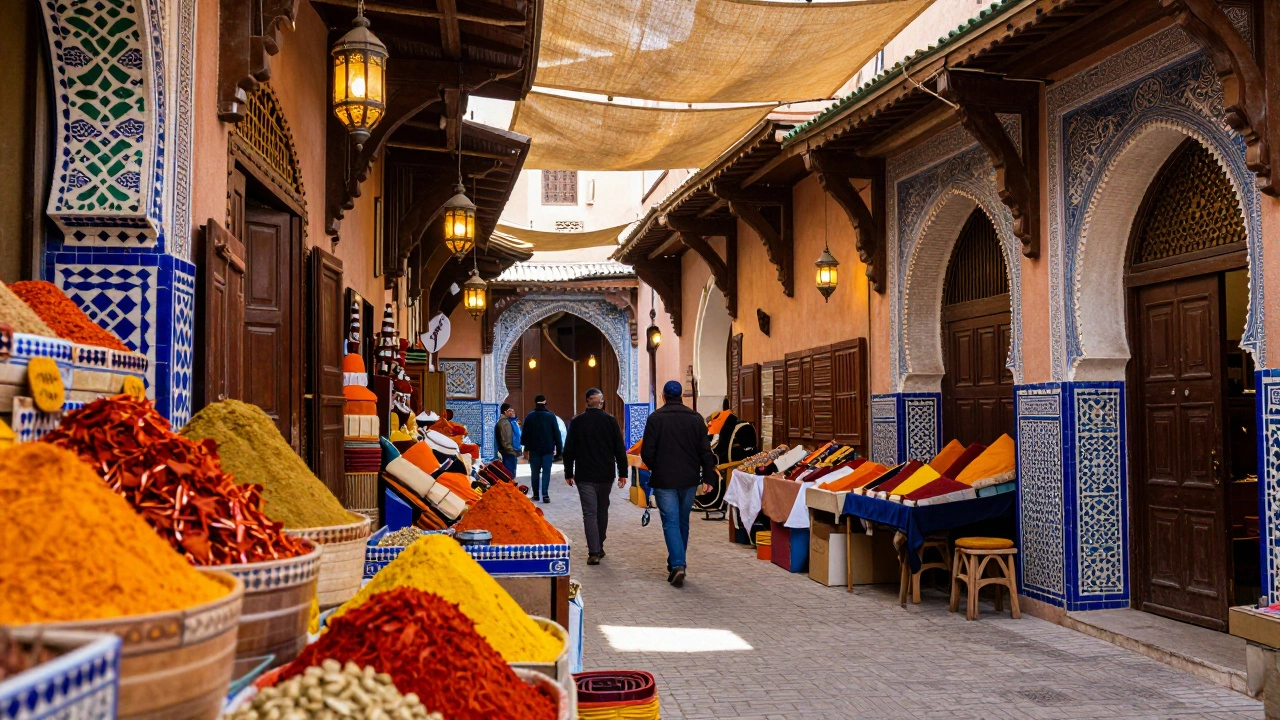
Morocco is a North African country blending Arab, Berber, and European influences in its architecture and culture. Famous for Marrakech medinas, Sahara dunes, and Atlas Mountains, it offers immersive experiences at low costs.Morocco hits different senses. The colors of Marrakech’s souks, the silence of the Sahara Desert, and the snow-capped peaks of the Atlas Mountains create a visual feast. And yes, it’s still very affordable if you know how to navigate it.
The key is avoiding overpriced tourist traps. Stay in family-run riads instead of international chains. Eat at local cafes rather than restaurants near Jemaa el-Fnaa square. Negotiate prices for tours-it’s expected and part of the experience.
A trip to Merzouga to camp under the stars in the Erg Chebbi dunes costs around $30-$50 for two nights, including camel rides and meals. Compare that to similar desert experiences elsewhere, and the savings are huge. Plus, Moroccan mint tea is practically free when hosted by locals.
Weather-wise, spring (March-May) and fall (September-November) are ideal. Summers can be scorching, especially inland. Winters are cool but pleasant in coastal areas like Essaouira.
Bali, Indonesia: Island Vibes Without the Stress
Bali is an Indonesian island renowned for its spiritual culture, volcanic landscapes, and tropical beaches. Often called the Island of the Gods, it balances modern amenities with traditional Balinese Hindu practices.Bali has been a budget favorite for decades, and it hasn’t lost its edge. While Seminyak and Canggu have gotten pricier, areas like Ubud, Sidemen, and Nusa Penida remain affordable. You can rent a private villa with a pool for $40 a night. Warungs (local eateries) serve Nasi Goreng for $2.
The beauty here is layered. There are rice terraces in Tegallalang, waterfalls like Gitgit, and temples perched on cliffs overlooking the ocean. The greenery is lush, the sunsets are fiery, and the atmosphere is relaxed. It’s perfect for digital nomads or couples wanting romance without luxury prices.
One tip: Rent a scooter. It’s the cheapest way to explore. Just drive carefully-traffic can be chaotic. Also, respect local customs. Dress modestly when visiting temples, and always ask permission before photographing people.
Best months? April through October. This is dry season, meaning clearer skies and less rain. Avoid July-August if you hate crowds.
Georgia: The Caucasus Gem
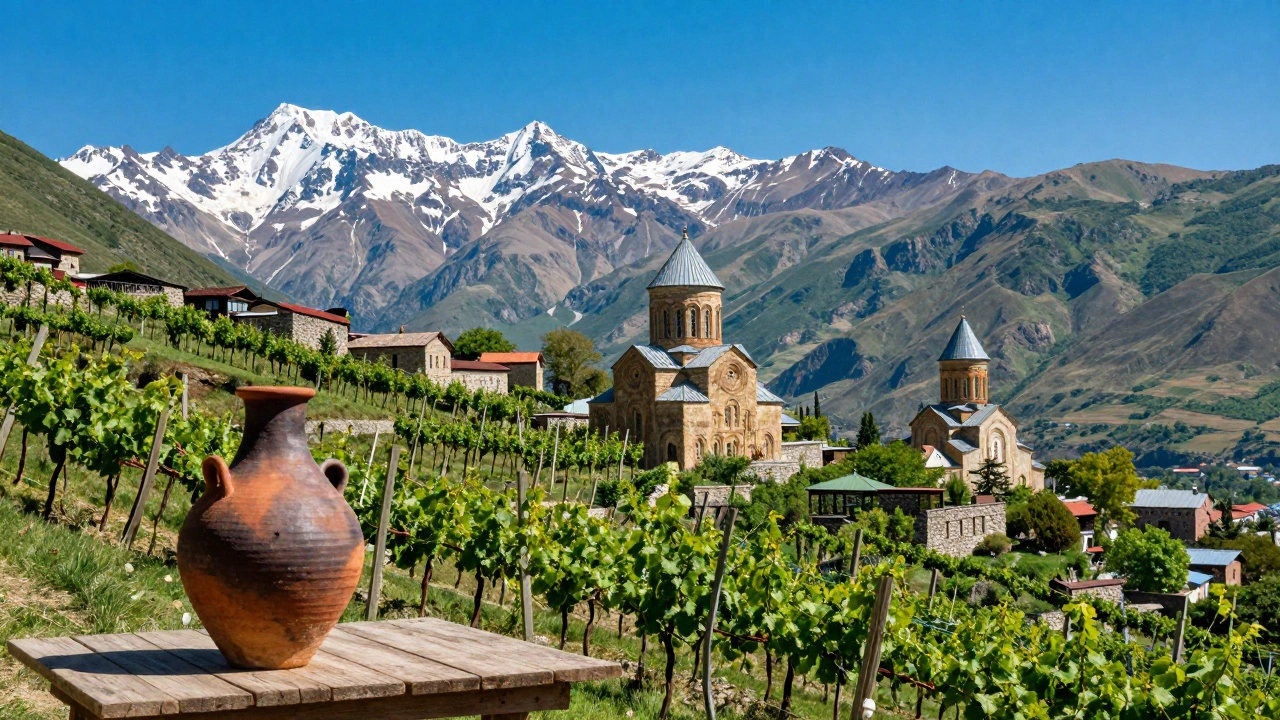
Georgia is a Transcaucasian country with ancient winemaking traditions, dramatic mountain ranges, and colorful Orthodox churches. Its capital, Tbilisi, blends old-world charm with modern energy.Georgia is rising fast as a top budget destination. Located between Europe and Asia, it offers unique geography. Snowy peaks of the Caucasus, vineyards dating back 8,000 years, and medieval towns like Kazbegi and Mtskheta. And it’s all very cheap.
Wine is central to Georgian culture. Home-style qvevri wine (fermented in clay vessels) is inexpensive and delicious. A glass might cost $1-$2. Food is hearty: khachapuri (cheese bread), khinkali (dumplings), and grilled meats. All under $10 per person.
Accommodation is also affordable. Guesthouses in Tbilisi start at $15. In rural areas, homestays offer authentic experiences for even less. The people are famously hospitable-you’ll likely be invited to someone’s home for dinner.
For adventure seekers, hiking in Svaneti or skiing in Gudauri is cheap compared to Alps resorts. Best time to visit? Late spring (May-June) for wildflowers, or early autumn (September-October) for grape harvests.
How to Keep Costs Down While Maximizing Beauty
Finding a cheap and beautiful country is step one. Staying within budget while enjoying the best sights requires strategy. Here are practical tips:
- Travel Off-Season: Prices drop 20-40% outside peak months. Weather may be slightly less ideal, but crowds thin out, enhancing the experience.
- Eat Like a Local: Tourist restaurants inflate prices. Street food and markets offer fresher, cheaper options. In Vietnam, grab Banh Mi. In Morocco, try Tagine from a local stall.
- Use Public Transport: Taxis and ride-shares add up. Buses, trains, and walking reveal hidden gems. In Bulgaria, intercity buses are clean and cheap.
- Stay in Hostels or Guesthouses: You don’t need a hotel. Family-run guesthouses often provide better value and personal touches. In Georgia, homestays include homemade meals.
- Free Activities: Hiking, exploring old towns, and visiting public parks cost nothing. Many museums have free days. Research ahead.
Also, consider multi-country trips. If you’re in Bulgaria, cross into Romania for Transylvania’s castles. If you’re in Vietnam, fly to Cambodia for Angkor Wat. Regional travel keeps flights cheap and expands your itinerary.
Common Pitfalls to Avoid
Even in cheap destinations, mistakes can drain your wallet. Watch out for:
- Overpaying for Tours: Always negotiate or book online in advance. Last-minute deals are rarely cheaper.
- Ignoring Scams: Taxi drivers inflating fares, fake guides charging entry fees. Use reputable apps like Grab or Bolt.
- Buying Souvenirs in Tourist Zones: Markets outside city centers offer better prices and authenticity.
- Underestimating Health Costs: Get travel insurance. Cheap healthcare isn’t guaranteed everywhere.
Another mistake? Assuming "cheap" means low quality. Not true. Many budget destinations have world-class cuisine, clean accommodations, and safe environments. Do your research, read recent reviews, and stay alert.
Final Thoughts: Beauty Is Accessible
You don’t need to spend thousands to see the world’s wonders. Countries like Vietnam, Bulgaria, Morocco, Bali, and Georgia prove that beauty and affordability can coexist. They offer rich cultures, stunning landscapes, and welcoming people-all at prices that fit most budgets.
The key is planning. Know when to go, where to stay, and how to move around. Embrace local life. Eat street food. Talk to residents. These small choices enhance both your experience and your wallet.
So, pack light, set a realistic budget, and choose wisely. Your next adventure could be cheaper-and more beautiful-than you think.
Which country is the cheapest to visit in 2026?
Vietnam is widely considered the cheapest major tourist destination in 2026. Daily expenses can stay under $30, including food, accommodation, and transport. Bulgaria and Georgia are close runners-up in Europe and the Caucasus respectively.
Is it safe to travel to cheap countries?
Yes, most budget-friendly countries listed here are safe for tourists. Petty theft exists, as in any popular destination. Use common sense: secure valuables, avoid isolated areas at night, and use licensed transport. Violent crime against tourists is rare in Vietnam, Bulgaria, Morocco, Bali, and Georgia.
What is the best time to visit these countries?
Spring (April-May) and Autumn (September-October) offer the best balance of good weather and lower prices. Avoid summer peaks (June-August) for fewer crowds and cheaper rates. Check specific regional climates-for example, Bali’s dry season is April-October.
Can I find English speakers in these destinations?
In tourist areas, yes. Younger generations and service workers in Vietnam, Bali, and Georgia often speak basic English. Bulgaria and Morocco have fewer English speakers outside cities, so learning a few phrases helps. Translation apps work well everywhere.
Do I need visas for these countries?
Visa policies vary by nationality. As of 2026, many countries offer visa-free entry or e-visas for short stays. US, UK, and EU citizens typically enter Vietnam, Bulgaria, Morocco, Indonesia, and Georgia without prior visas for tourism. Always check official government sources before booking.
How do I handle money in these countries?
Cash is king in most budget destinations. ATMs are available in cities, but carry small bills for markets and rural areas. Credit cards work in hotels and upscale restaurants. Notify your bank before traveling to avoid blocks. Exchange rates are usually favorable when converting USD/EUR locally.