Lifestyle Arbitrage Calculator
Monthly Projection
Finding a place that feels like a million bucks but costs a fraction of that is the ultimate travel and lifestyle hack. Most people assume that "cheap" means sacrificing safety, clean streets, or a decent cup of coffee, but the world has changed. Thanks to the rise of remote work and the shift in global economies, there are now pockets of the world where your bank account stretches further without you having to live in a shoebox or avoid the local museums.
The Secret to the "Nice but Cheap" Equation
When you're hunting for a spot that's both pleasant and inexpensive, you have to look at the "purchasing power parity." Basically, it's not just about the rent; it's about what your money actually buys you on the ground. In some cities, a luxury one-bedroom apartment might cost $400 a month, while a dinner for two at a top-rated restaurant is under $20. This is the sweet spot.
You'll want to look for Digital Nomad Hubs. These are cities that have already invested in high-speed internet and coworking spaces to attract foreigners. Because these cities want your business, they often have a thriving ecosystem of affordable short-term rentals and an abundance of English-speaking services, making the transition much smoother than moving to a remote village where you can't find a decent Wi-Fi signal.
Southeast Asia: The Gold Standard for Value
If you want the most bang for your buck, you can't ignore Southeast Asia. It's not just about the beaches; it's about the urban efficiency combined with low overhead.
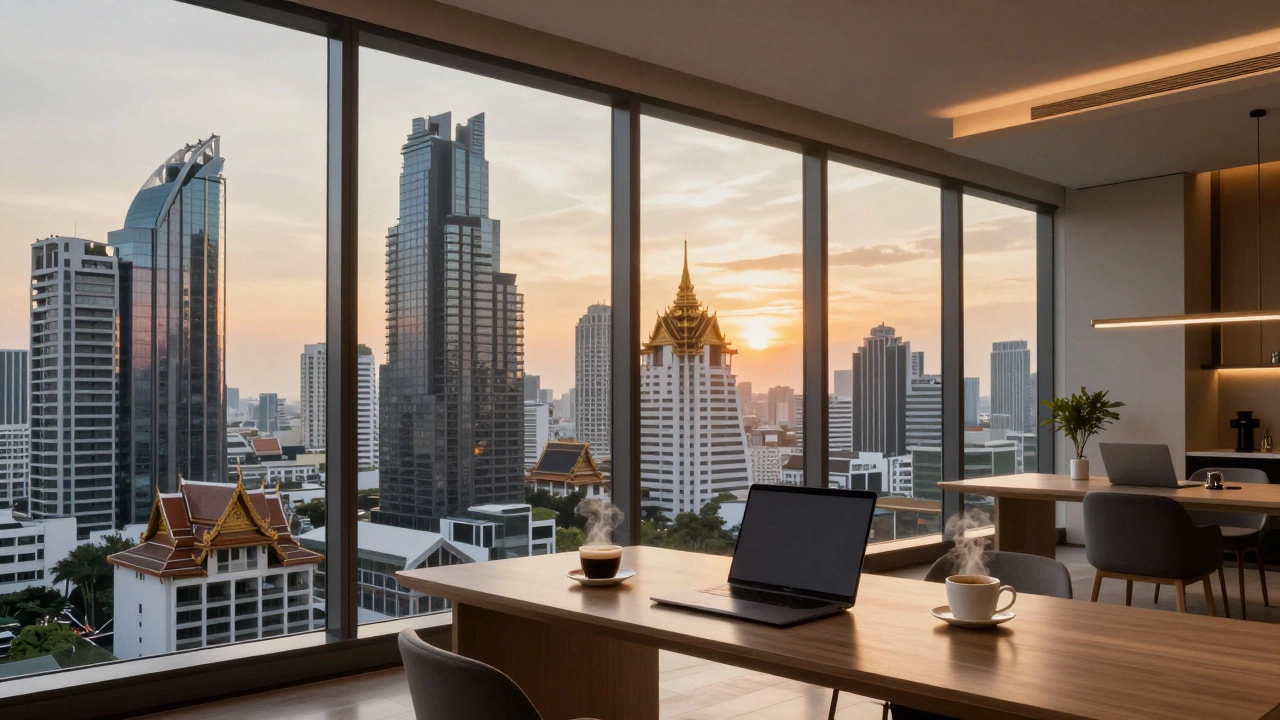
Bangkok is a prime example. You can live in a high-rise condo with a rooftop pool and a gym for what you'd pay for a studio in a basement in New York or London. The street food culture is world-famous, meaning you can eat a five-star meal on a plastic stool for $2. The city is a chaotic blend of futuristic skyscrapers and ancient temples, providing a sensory richness that's hard to find elsewhere.
Then there's Chiang Mai in Northern Thailand. It's quieter than Bangkok and widely considered one of the cheapest places for remote workers globally. The air is fresher, the mountains are closer, and the community of expats is massive. You aren't just saving money; you're joining a network of people who have figured out how to live a high-quality life on a budget.
Vietnam is another heavy hitter. Da Nang offers a mix of beach living and city convenience. It's significantly cheaper than the capitals, and the seafood is fresh and incredibly affordable. The city is clean, the roads are wide, and the pace of life is much slower than in the West.
Eastern Europe: Luxury Vibes on a Budget
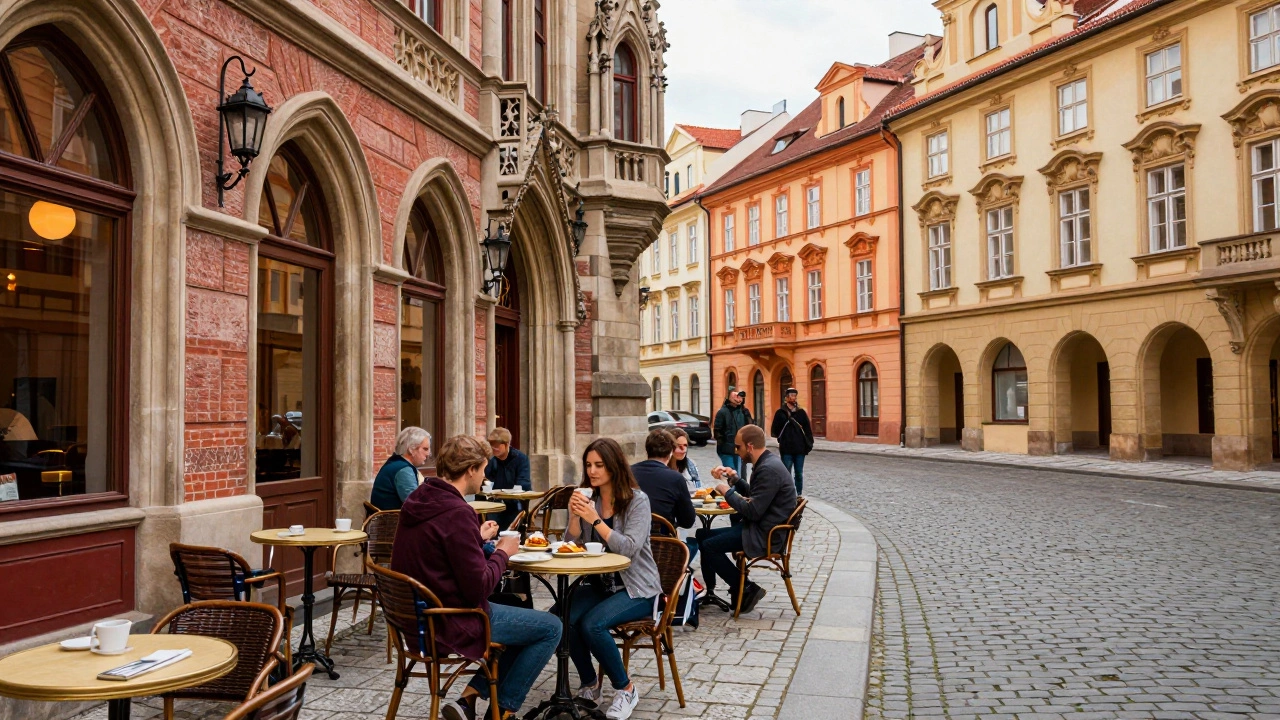
For those who prefer cobblestone streets and Gothic architecture over palm trees, Eastern Europe is where the value is hidden. You get a European lifestyle-think cafes, museums, and trains-without the Parisian price tag.
Budapest is often cited as one of the most beautiful cities in the world. Its thermal baths and grand boulevards feel incredibly upscale, but the cost of living remains surprisingly low. You can rent a stunning apartment in the Jewish Quarter and spend your weekends exploring ruins bars without breaking the bank.
Across the border, Kraków in Poland is a hidden gem. It's a university town, which means it's geared toward young people and students. This results in a huge variety of affordable eateries, a vibrant nightlife, and very reasonable accommodation. The city center is pedestrian-friendly and feels like a living museum.
| City | Estimated Monthly Rent (1BR) | Meal Cost (Mid-range) | Vibe | Internet Speed |
|---|---|---|---|---|
| Bangkok | $400 - $700 | $3 - $10 | Electric / Chaotic | Very High |
| Chiang Mai | $300 - $500 | $2 - $7 | Chill / Mountainous | High | Da Nang | $300 - $600 | $2 - $8 | Coastal / Relaxed | Medium-High |
| Budapest | $500 - $800 | $10 - $20 | Grand / Historic | High |
| Kraków | $450 - $750 | $8 - $15 | Cosy / Artistic | High |
Latin America: The New Frontier
If you're based in North America, Latin America is the most logical choice because the time zones align. You don't have to wake up at 3 AM for a Zoom call with your boss.
Mexico City is a powerhouse of culture and food. While some neighborhoods are getting pricier, areas like Roma and Condesa offer a lifestyle that feels like a blend of Europe and the Americas. The public transport is decent, and the museums are some of the best in the world. You can live a very "fancy" life here if you're earning in Dollars or Euros.
For those looking for something more nature-oriented, Medellín in Colombia is the place. Once a dangerous city, it has transformed into a hub of innovation and greenery. The "Eternal Spring" weather means you never need a heavy coat, saving you money on clothing and heating. The city is built in a valley, giving you stunning views from almost every rooftop café.
Common Pitfalls When Searching for "Cheap and Nice"
It sounds too good to be true, right? Well, there are some catches you should be aware of. First, the "Tourist Price" is real. If you eat at the restaurant right next to the main square, you'll pay double what the locals pay. The trick is to walk three blocks away from the main attraction; the quality usually stays the same, but the price drops by 40%.
Another issue is the Visa Requirements. Just because a place is cheap doesn't mean it's easy to stay in. Some countries offer "Digital Nomad Visas" that let you live there for a year or more without paying local taxes, while others require you to do a "border run" every 30 days. Always check the latest immigration laws before packing your bags.
Lastly, don't ignore the hidden costs. A cheap apartment might not have air conditioning in a city where it's 40 degrees Celsius year-round. You might save $100 on rent but spend $200 more on electricity because you're running an old, inefficient AC unit 24/7. Look for "energy-efficient" or newer builds to avoid these surprises.

How to Transition to a Low-Cost Lifestyle
If you've decided to make the jump, don't just sign a year-long lease from your home country. That's a recipe for disaster. Instead, follow this a realistic path:
- The Two-Week Test: Book an Airbnb for 14 days. Use this time to visit different neighborhoods and talk to people who actually live there.
- The Grocery Store Metric: Go to a local supermarket. Check the price of staples like milk, eggs, and bread. This gives you a more accurate picture of the cost of living than any online calculator.
- The Connectivity Check: If you work online, test the Wi-Fi in the cafes and the apartment you're eyeing. Use a speed test tool to ensure it can handle video calls.
- Negotiate Local: Once you're on the ground, look for local rental listings rather than using global platforms. You can often find a place for 30% less by dealing directly with a landlord.
The Long-Term Perspective: Is it Sustainable?
Living in a cheap, nice place isn't just about saving money; it's about "lifestyle arbitrage." This is when you earn in a strong currency and spend in a weak one. This allows you to invest more of your income into stocks or savings, effectively accelerating your path to financial independence.
However, be mindful of the local impact. When a flood of high-earning foreigners moves into a cheap neighborhood, it can drive up rents for the people who actually live there. This is called gentrification. To avoid being the "bad guy," try to support local businesses, learn a few phrases in the native language, and avoid treating the city like a theme park. The best experiences come from integrating into the community, not just extracting value from it.
Which is the absolute cheapest place for a high quality of life?
Depending on your taste, Chiang Mai (Thailand) and Da Nang (Vietnam) are often the winners. They offer modern amenities, safety, and incredible food for a fraction of the cost of Western cities.
Do I need to speak the local language to live in these places?
In major hubs like Bangkok, Mexico City, or Budapest, you can get by with English in tourist areas and businesses. However, learning the basics will save you money and open doors to more authentic (and cheaper) local experiences.
Is it safe to move to these low-cost destinations?
Generally, yes. Many of these hubs are safer than big US or Canadian cities in terms of violent crime. That said, always research specific neighborhoods and stay aware of petty theft or local scams.
How do I find affordable housing without getting scammed?
Avoid paying large deposits before seeing a place in person. Use local Facebook groups for expats and nomads to find verified listings, and always visit a property multiple times-once during the day and once at night.
What is the best way to manage money while living abroad?
Use a travel-friendly bank account or a fintech app that offers mid-market exchange rates and low ATM fees. Avoid exchanging cash at airports, as they offer the worst rates.